


Neighbourhood Living in Singapore: A New Way to Call the City Home
Singapore moves fast. However, the way people choose to live has changed just as quickly. Today, more professionals, founders, and creatives want more than a roof over their heads. Instead, they want neighbourhood living. They want walkable streets, great coffee nearby, and a real sense of community.
That shift explains why coliving has grown so rapidly across the island. Yet not all coliving brands offer the same experience. Some focus on scale. Others focus on price. A few, however, focus on lifestyle.
Let’s break down what neighbourhood living means in Singapore — and how leading coliving companies compare.
What Neighbourhood Living Really Means
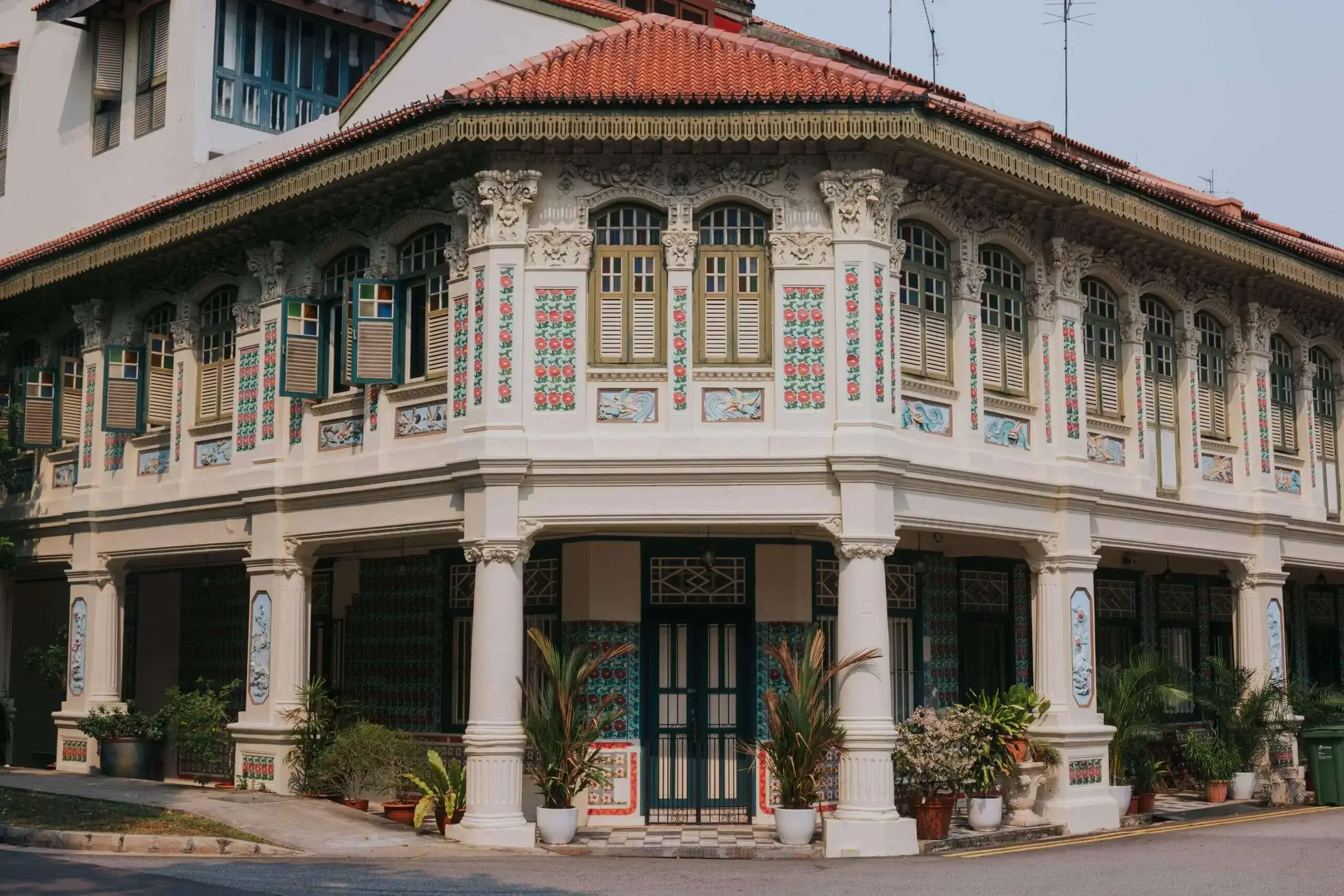
In Singapore, neighbourhoods feel distinct even though the city is compact. For example, Tiong Bahru blends art deco charm with indie cafes. Meanwhile, Katong offers heritage shophouses and Peranakan culture. On the other hand, River Valley puts you close to Orchard and the CBD.
Because MRT lines connect everything, location shapes daily life. You might walk to Pilates in Holland Village. Then, you could grab dinner in Chinatown. After that, you can still reach Marina Bay in under 20 minutes.
So when people choose coliving, they do not just choose a room. Instead, they choose a micro-lifestyle inside a specific neighbourhood.

The Main Coliving Players in Singapore
Several brands dominate the coliving space today. Each has a different model and target audience.
1. Hmlet / Habyt
Hmlet offers modern, furnished rooms across many districts. The brand emphasizes flexibility and digital booking. As a result, it attracts young professionals who want plug-and-play housing.
However, most Hmlet units sit inside large condo blocks or standard apartments. Therefore, while the rooms feel functional, the neighbourhood identity often feels secondary to convenience.
2. Cove
Cove positions itself as affordable and tech-enabled. The onboarding process feels smooth. Moreover, pricing remains competitive.
That said, many Cove units prioritize density and scale. Because of that, design character and curated community experiences may vary by property.
3. Coliwoo
Coliwoo operates serviced apartments and larger residential blocks. It suits tenants who prefer structured facilities and centralized management.
Yet the experience can feel closer to serviced living than neighbourhood immersion. In other words, you stay comfortably, but you may not feel deeply rooted in a specific cultural pocket of Singapore.
4. Figment
Figment takes a very different path. Instead of focusing on volume, it curates restored heritage shophouses across character-rich neighbourhoods. Consequently, every home feels distinct.
More importantly, Figment designs each space around art, architecture, and community. Rather than offering generic units, it creates themed houses with personality. As a result, members often describe their stay as living in a story – not just renting a room.
Design: Functional vs. Character-Driven
Most coliving brands in Singapore emphasize efficiency. Rooms come furnished. Contracts stay flexible. Processes run digitally.
However, design often feels standardized.
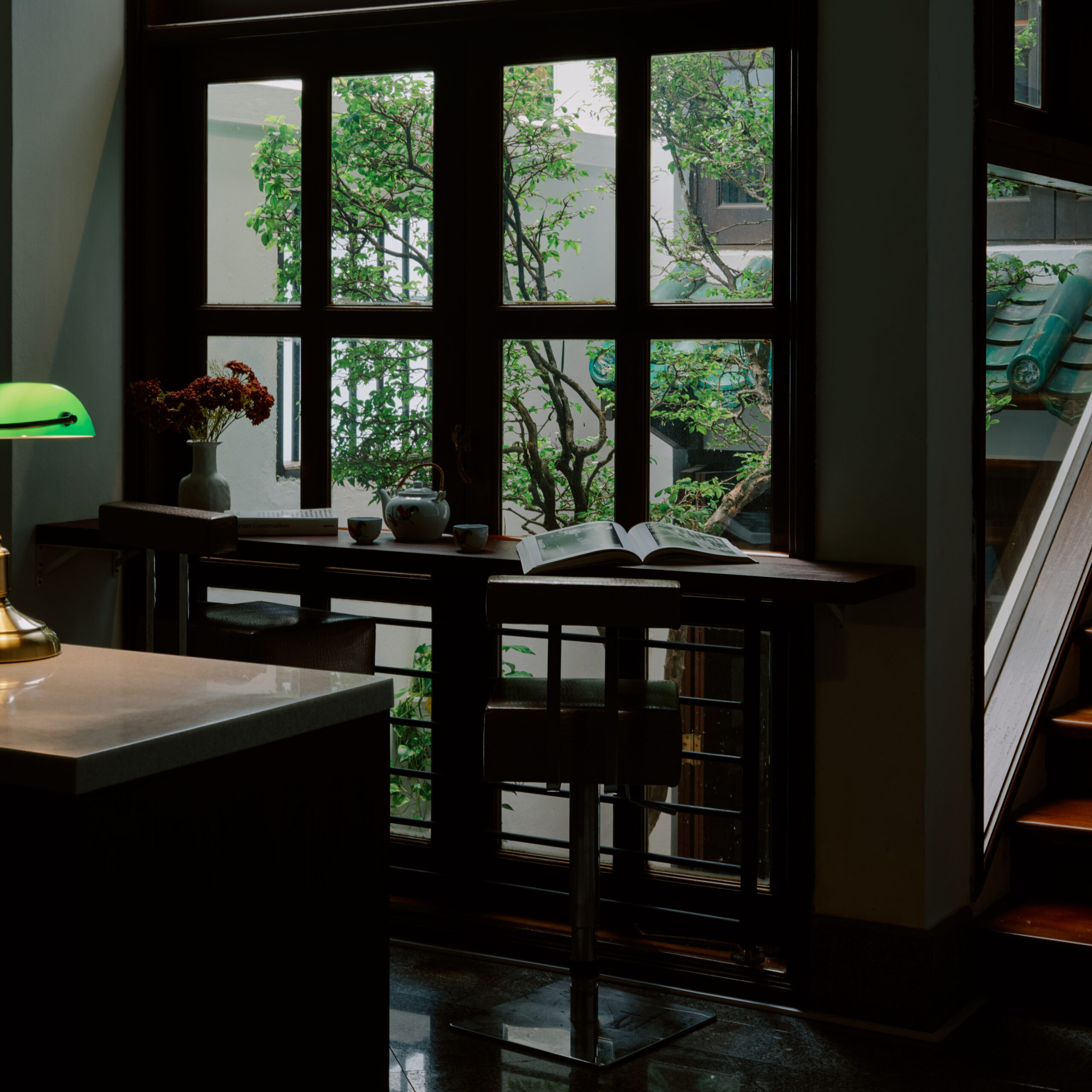
In contrast, Figment renovates conserved shophouses and fills them with curated art. High ceilings, original tiles, and heritage facades add texture. Therefore, the house itself becomes part of the neighbourhood narrative.
Because of that approach, residents do not just sleep in a building. Instead, they live inside a piece of Singapore’s architectural history.
Community: Organic vs. Engineered
Coliving promises community. Yet execution varies.
Some brands host occasional mixers. Others rely on shared kitchens to spark interaction. While those methods help, they can feel transactional.
Figment, on the other hand, intentionally curates its member base. It attracts founders, creatives, consultants, and global professionals. As a result, conversations often move beyond small talk. You might meet a startup operator at breakfast. Later, you might brainstorm with a filmmaker in the living room.
Because the houses remain boutique in size, interactions feel natural. Consequently, community grows through shared space rather than forced events.
Location Strategy: Scale vs. Soul
Large coliving operators spread inventory across many districts. That strategy improves availability. However, it can dilute neighbourhood depth.
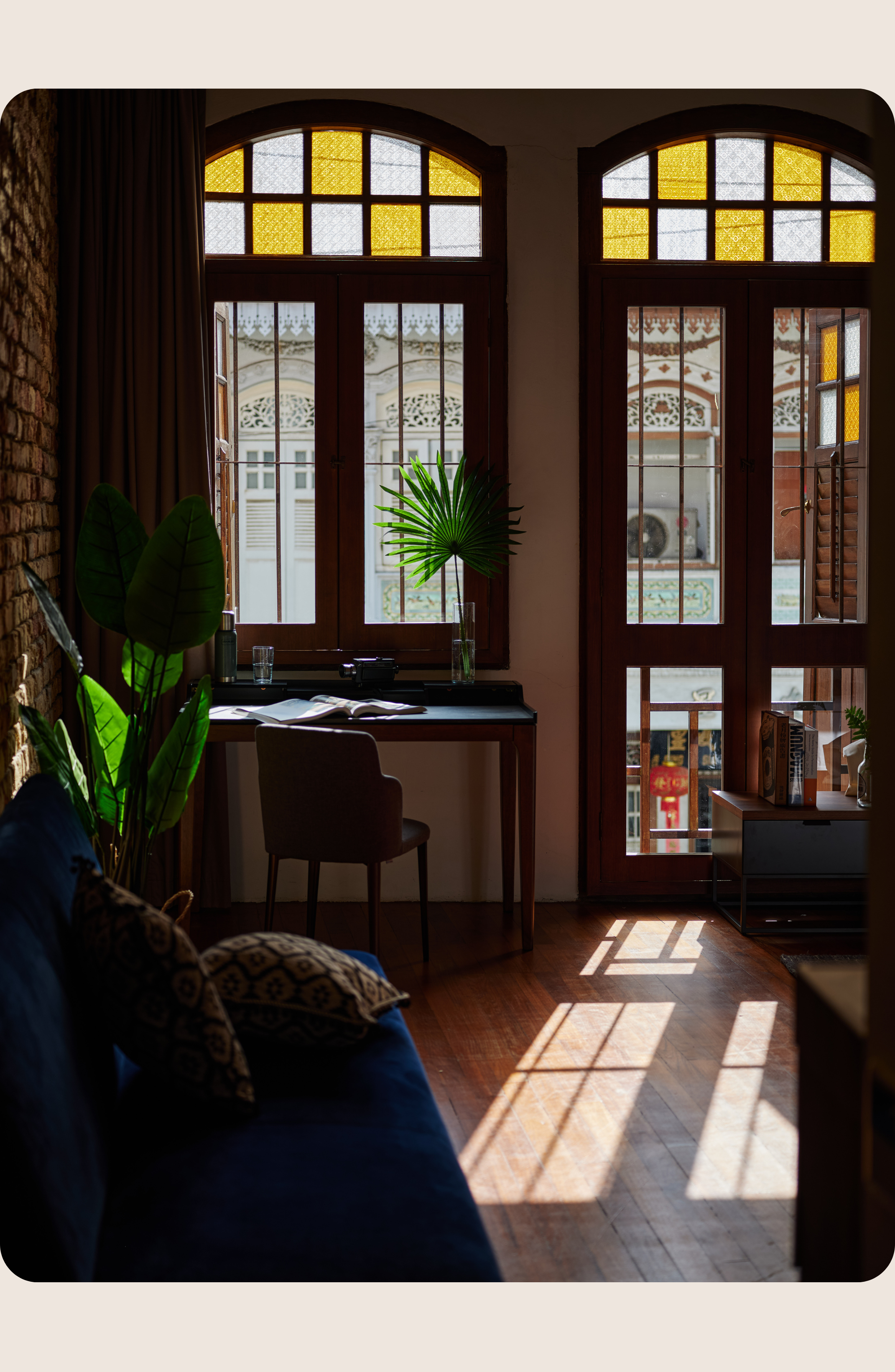
Figment takes the opposite route. It chooses culturally rich areas like Tiong Bahru, Joo Chiat, and Little India. Therefore, each house anchors itself in a story-driven environment. For example, living in a shophouse in Katong means morning walks past pastel facades. Meanwhile, staying in Tiong Bahru puts you steps away from indie bookstores and bakeries. Because of this tight neighbourhood focus, members engage with the area daily.
Why Figment Feels Different
Singapore’s rental market moves quickly. Therefore, many operators optimize for turnover. Yet Figment optimizes for belonging.
It restores shophouses instead of stacking rooms. It builds atmosphere instead of pushing uniformity.
As a result, the experience feels intentional from day one.
Moreover, because Figment positions itself as a lifestyle brand rather than just a housing provider, members often stay longer. They do not simply rent. Instead, they participate.
The Future of Neighbourhood Living in Singapore
Singapore will continue to densify. At the same time, residents will crave more identity in how they live. Coliving will grow. However, the brands that succeed will focus on culture, not just contracts.
Neighbourhood living thrives when the home reflects the street outside. Figment understands that connection deeply. Consequently, it does not just place you in Singapore. It integrates you into it.
And ultimately, that makes all the difference.
Similar Posts
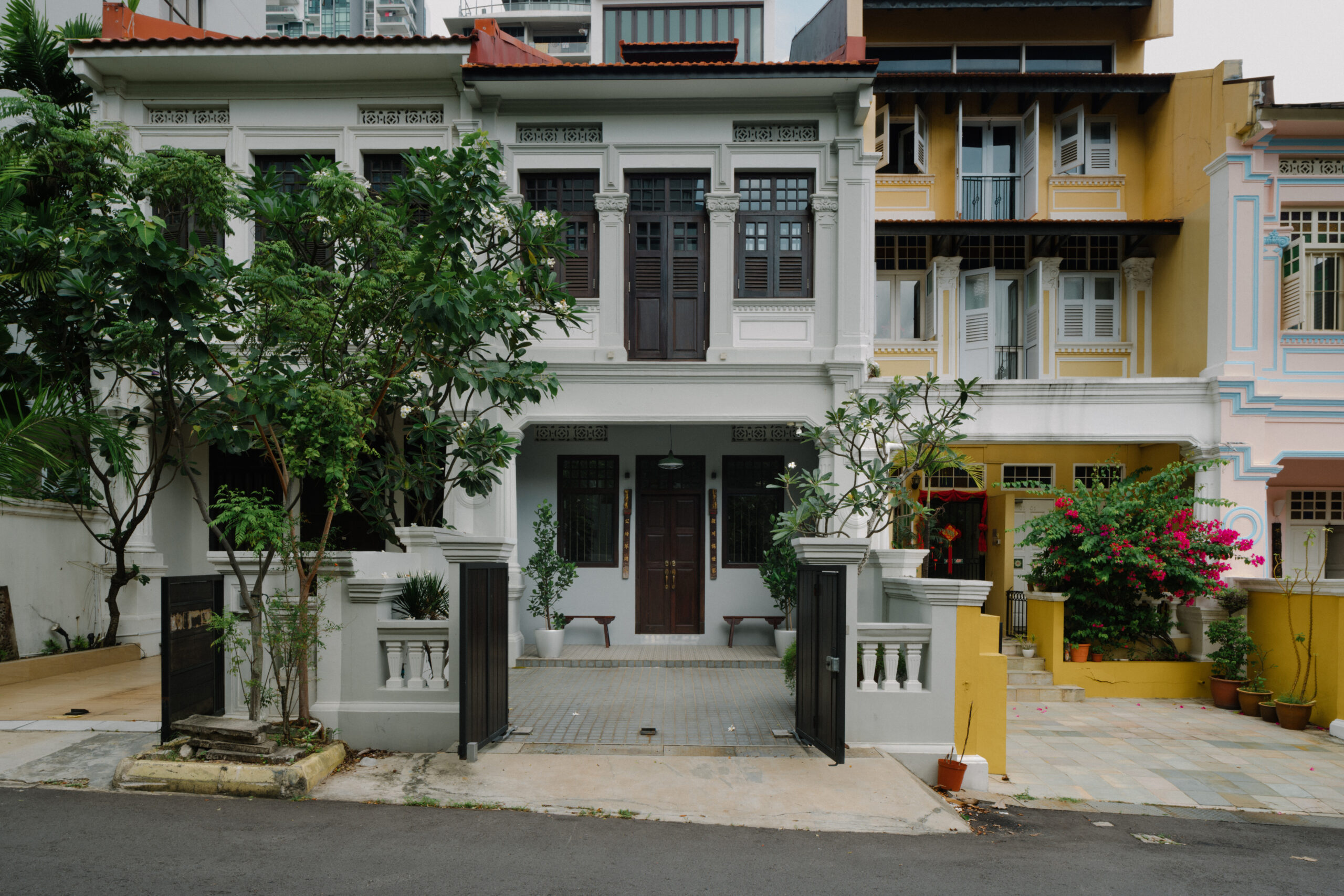
Living in Balestier: Heritage Homes for Modern Coliving
Explore boutique coliving in Balestier with Figment. Heritage shophouse living designed for modern comfort, short-term rentals, and authentic Singapore living.
Jalan Besar: Where Heritage and Creative Energy Shape Boutique Coliving
Unlike curated heritage districts, Geylang remains unapologetically real. Food culture spills onto the streets, neighbours know each other by name, and life unfolds without pretense. This is precisely what makes it compelling for heritage stays that aim to preserve lived culture, not just architectural form.
Geylang: A Lived-In Neighbourhood for Boutique Coliving in Singapore
Unlike curated heritage districts, Geylang remains unapologetically real. Food culture spills onto the streets, neighbours know each other by name, and life unfolds without pretense. This is precisely what makes it compelling for heritage stays that aim to preserve lived culture, not just architectural form.

Comments