


Apartment Rental Singapore: $2000 – $4000 Guide
Apartment rental in Singapore can feel confusing at first. Prices move fast. Options vary by area. Moreover, lease terms change what you get for your money. So, what does a $2,000–$4,000 monthly budget really buy?
Let’s break it down clearly.
$2,000–$2,500: Compact, Central, Practical
At this range, you usually secure a studio or a compact one-bedroom unit. However, size depends heavily on location.
In areas like Geylang, you can often find a furnished studio between 200–350 sq ft. Meanwhile, in city-fringe districts such as Tiong Bahru, you may get a slightly older walk-up unit with more character.
Typically, here’s what you get:
- Furnished interiors
- Basic kitchen setup
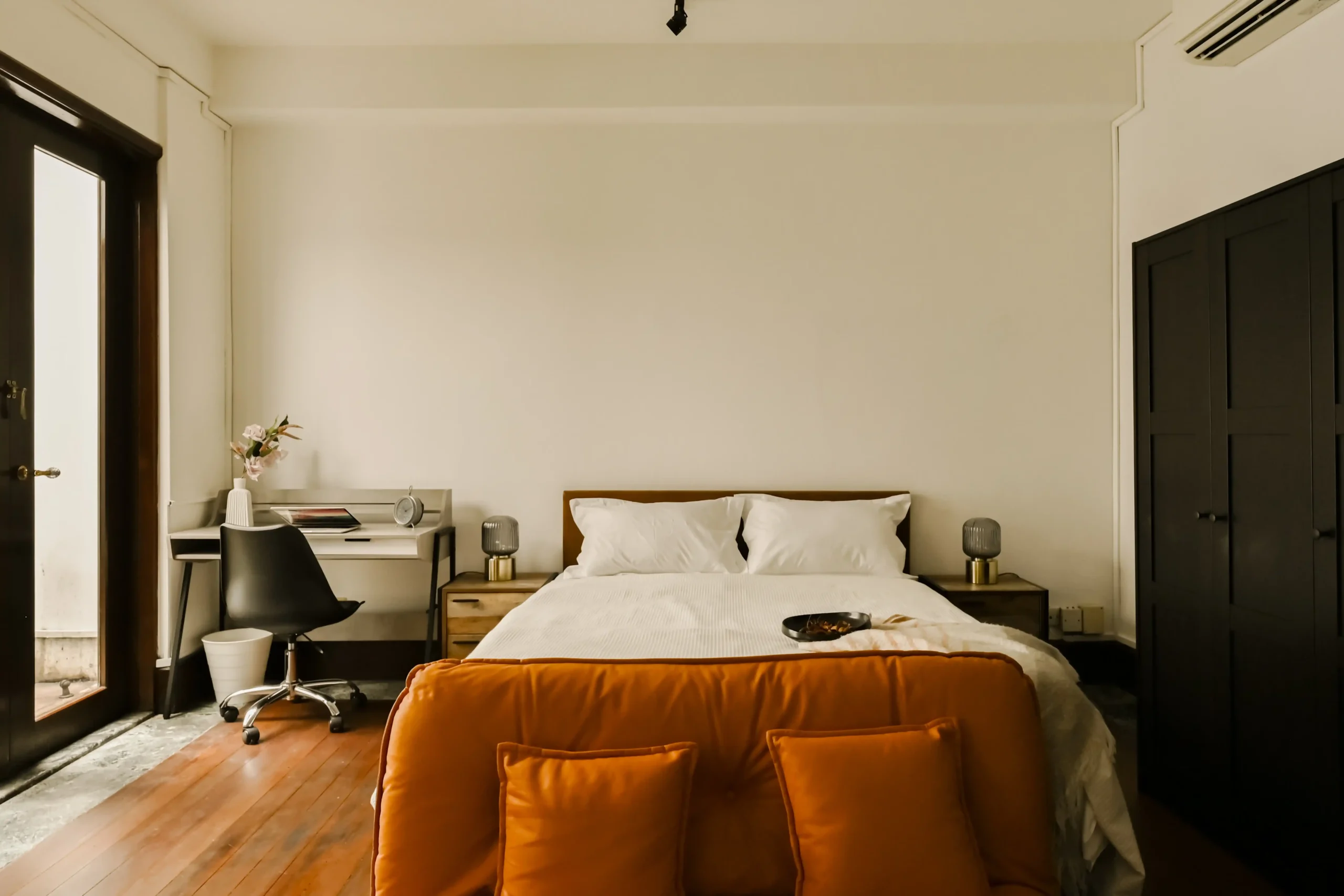
- Air-conditioning
- Wi-Fi (in some serviced setups)
- Access to MRT within 10–15 minutes
However, you may compromise on building amenities. Most condos at this price point sit farther from the CBD. Still, if you value privacy over space, this tier works well.
This range suits young professionals, remote workers, and first-time expats.

$2,500–$3,200: Better Location or Better Amenities
Now, things improve quickly. With $2,500–$3,200, you can target:
- A newer one-bedroom condo
- Full facilities (pool, gym, security)
- 400–600 sq ft layouts
- Closer proximity to MRT stations
In neighbourhoods like Balestier, you may find modern boutique developments. Likewise, in city-fringe zones near Orchard or Novena, compact condos fall within reach.
At this level, you choose between space and prestige. For example, a central address may mean 450 sq ft. On the other hand, a slightly outer district could offer 550+ sq ft and newer interiors.
Additionally, serviced apartments sometimes enter this range, especially for longer stays. These often bundle utilities, Wi-Fi, and housekeeping into one monthly fee. As a result, your budgeting becomes simpler.
This tier fits mid-level professionals and couples.
$3,200–$4,000: Prime District Living
Once you cross $3,200, your options expand significantly.
In prime zones such as Orchard Road or Robertson Quay, you may secure:
- Spacious one-bedroom units (600–750 sq ft)
- Smaller two-bedroom apartments
- High-floor units with skyline views
- Premium condo facilities
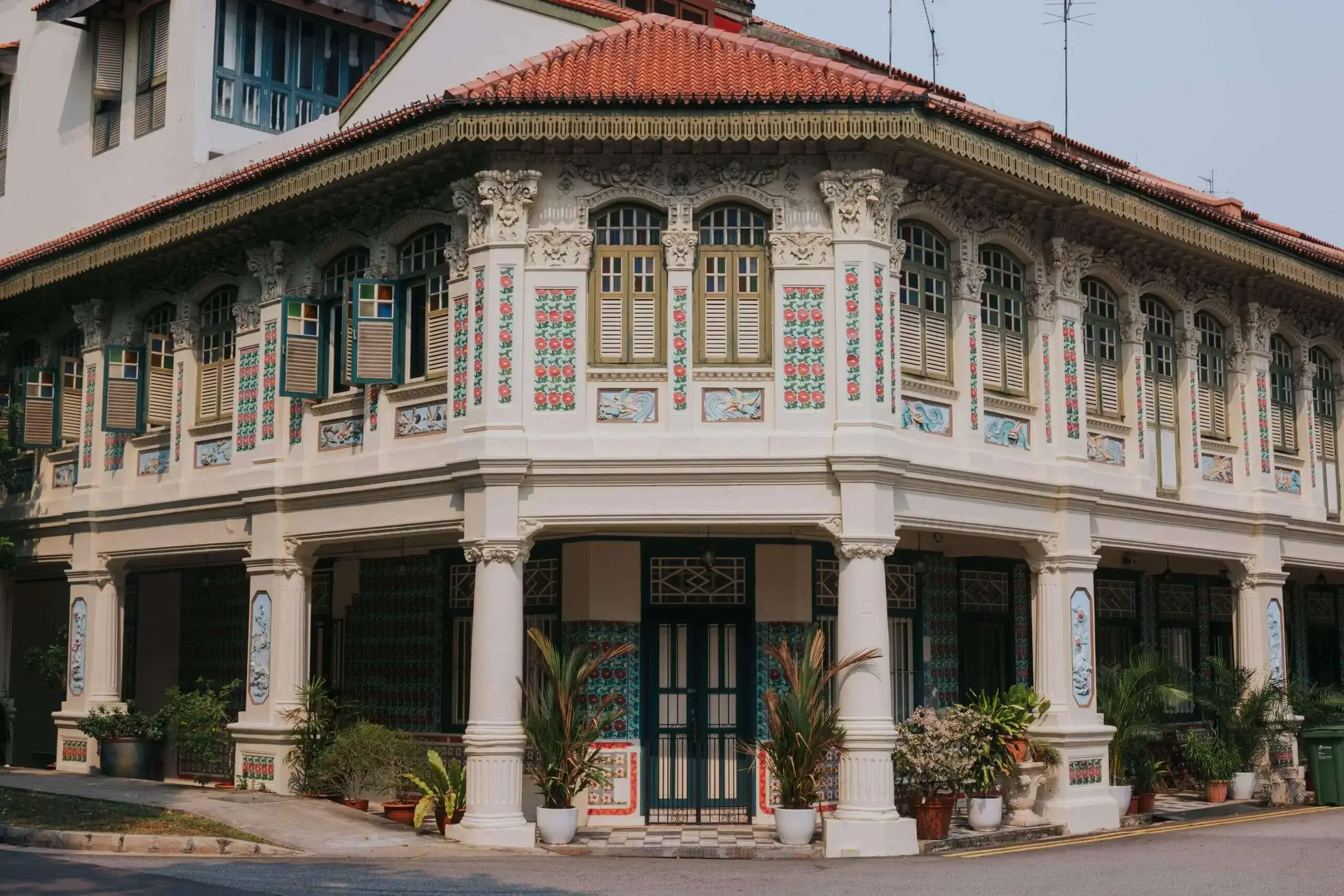
Alternatively, you might choose a conserved shophouse apartment in a heritage district. These homes often feature high ceilings, timber floors, and unique layouts. Therefore, you gain charm instead of standard condo styling.
At this level, landlords expect stable employment and longer leases. However, negotiation remains possible, especially for 12–24 month commitments.
This tier suits senior professionals, relocating managers, and couples who want central convenience.
Key Cost Factors Beyond Rent
Your monthly rent does not tell the full story. In fact, several hidden variables affect your final spend.
1. Lease Length
Longer leases often reduce monthly rates. Conversely, short-term stays raise prices.
2. Furnishing Level
Fully furnished units command higher rent. Meanwhile, partial furnishing lowers upfront costs if you already own furniture.
3. Utilities and Wi-Fi
Some rentals exclude utilities. Therefore, you must budget an extra $150–$300 monthly.
4. Maintenance Fees
Most private condos include maintenance in rent. However, always confirm this before signing.
5. Agent Commission
If you sign a one-year lease, you may need to pay commission depending on the rental value and agreement structure.
Condo vs Walk-Up vs Co-Living
Each housing type offers trade-offs.
Condo:
You get security, facilities, and lift access. However, rents remain higher.
Walk-Up Apartments:
These units often sit in older buildings without lifts. Yet, they provide more space per dollar.
Co-Living Spaces:
These setups bundle rent, utilities, Wi-Fi, and community events. As a result, your admin work drops significantly. Moreover, flexible lease terms attract short-term residents.
So, What Should You Expect?
With $2,000–$4,000 in Singapore, you can live comfortably. However, your priorities shape your outcome.
If you value centrality, choose a smaller unit in a prime area.
If you want zero hassle, consider serviced or co-living options.
Ultimately, Singapore offers strong infrastructure, safe streets, and efficient transport. Therefore, even city-fringe living feels well connected.
Before you sign, visit the unit in person. Compare at least three options. Then, review the tenancy agreement carefully.
A smart rental choice balances budget, location, and lifestyle. When you align those three, $2,000–$4,000 goes much further than most expect.
Similar Posts
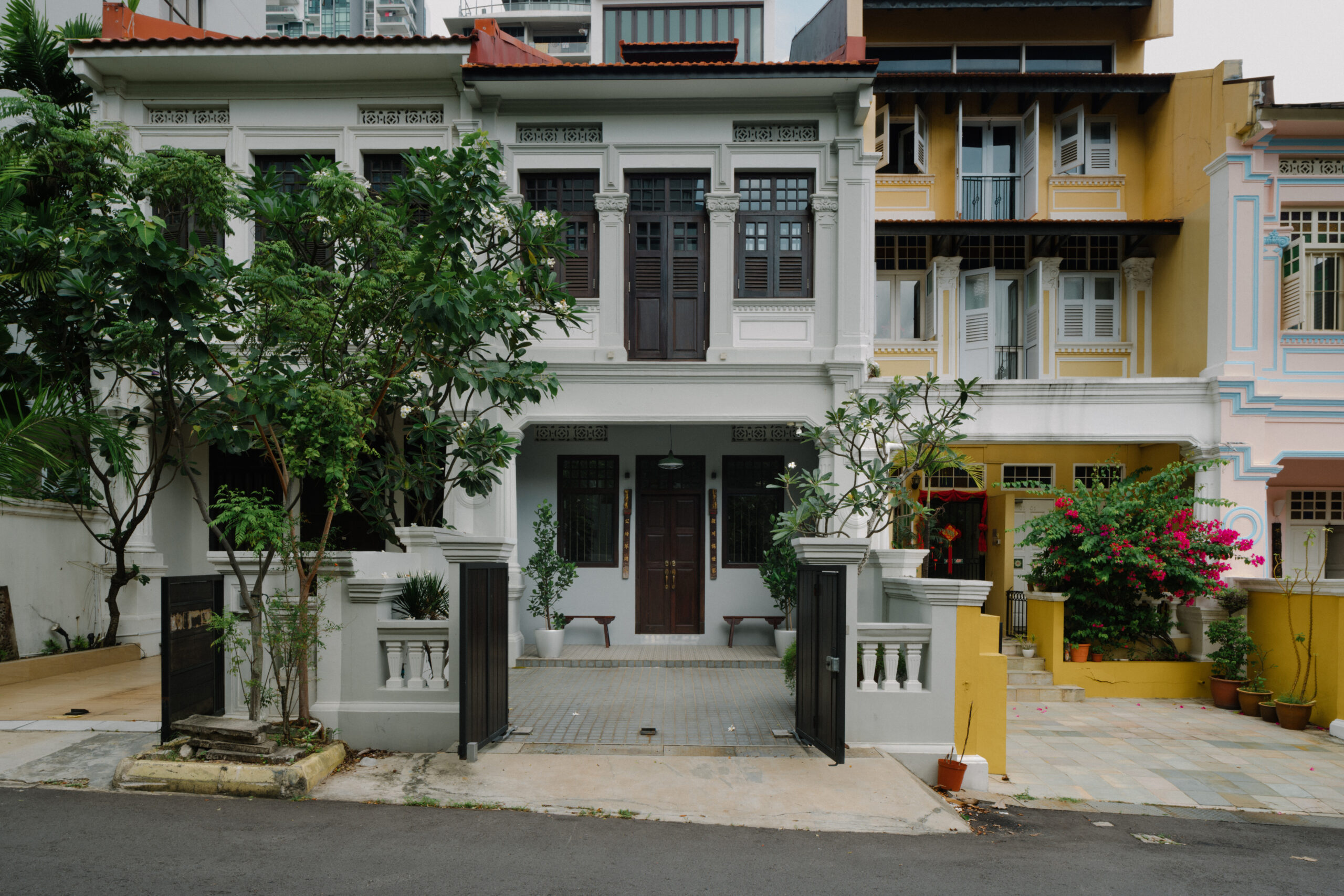
Living in Balestier: Heritage Homes for Modern Coliving
Explore boutique coliving in Balestier with Figment. Heritage shophouse living designed for modern comfort, short-term rentals, and authentic Singapore living.
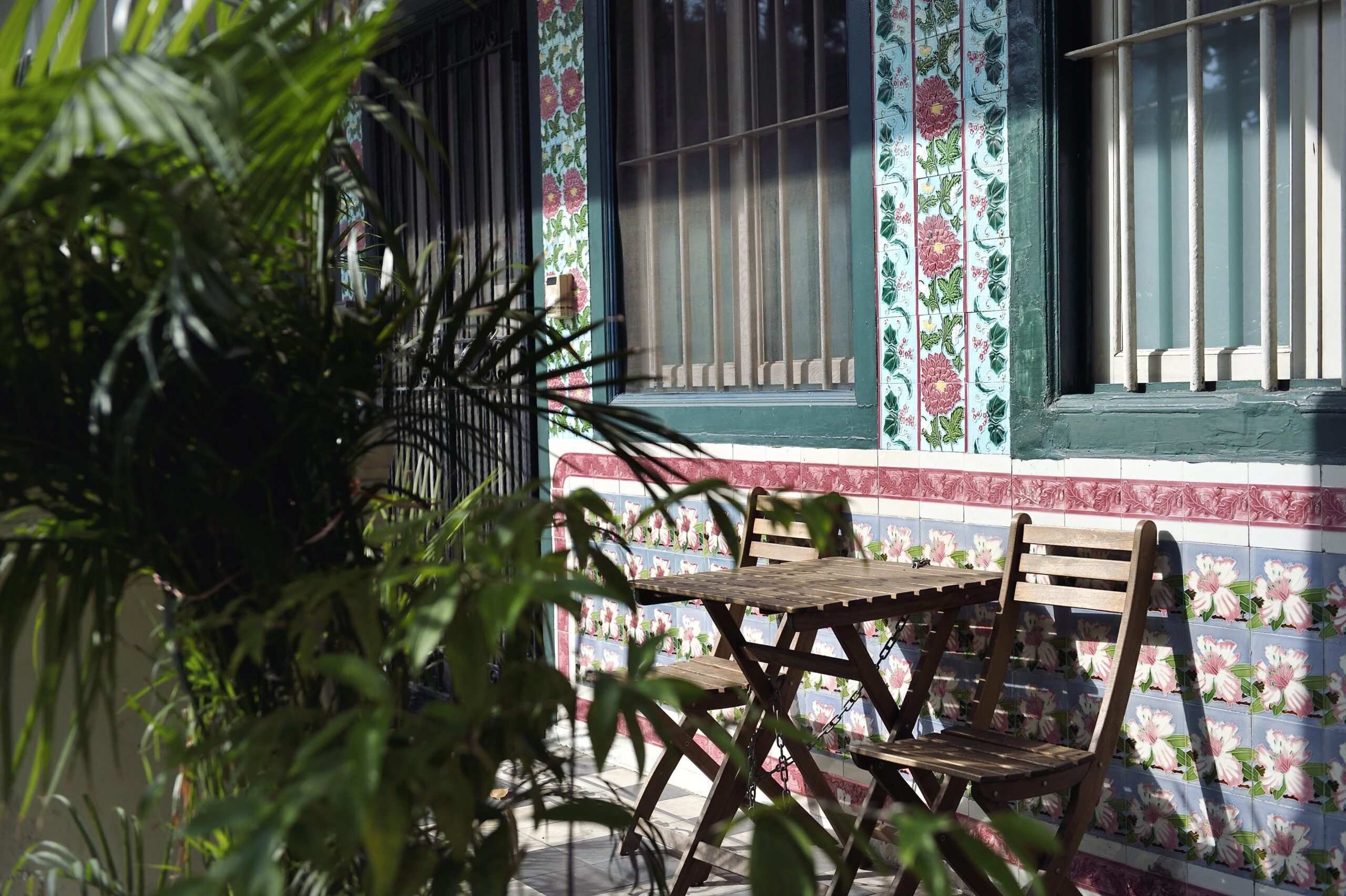
Jalan Besar: Where Heritage and Creative Energy Shape Boutique Coliving
Unlike curated heritage districts, Geylang remains unapologetically real. Food culture spills onto the streets, neighbours know each other by name, and life unfolds without pretense. This is precisely what makes it compelling for heritage stays that aim to preserve lived culture, not just architectural form.
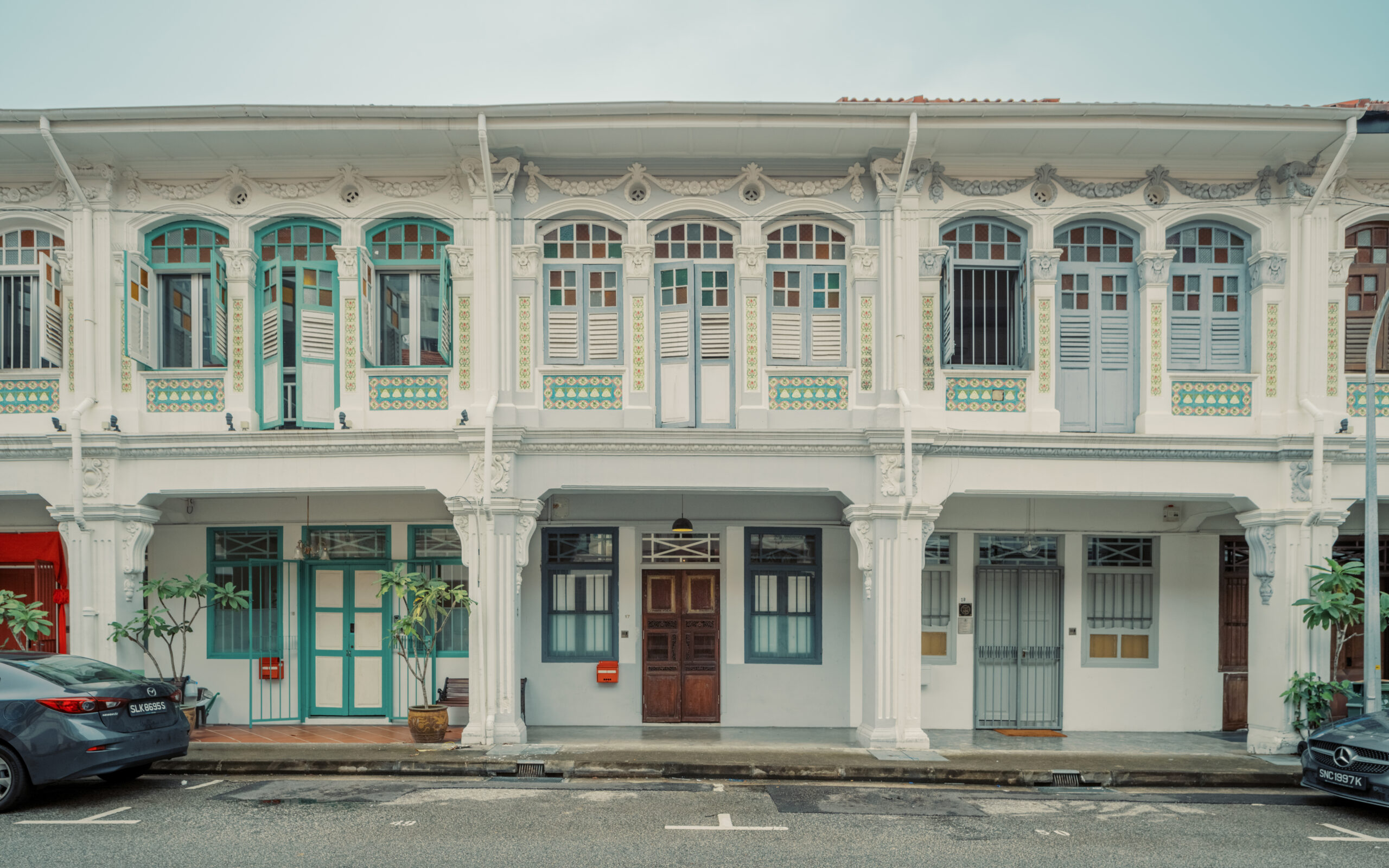
Geylang: A Lived-In Neighbourhood for Boutique Coliving in Singapore
Unlike curated heritage districts, Geylang remains unapologetically real. Food culture spills onto the streets, neighbours know each other by name, and life unfolds without pretense. This is precisely what makes it compelling for heritage stays that aim to preserve lived culture, not just architectural form.

Comments