


Monthly Rentals in Singapore: How Monthly Tenancies Work and What to Budget
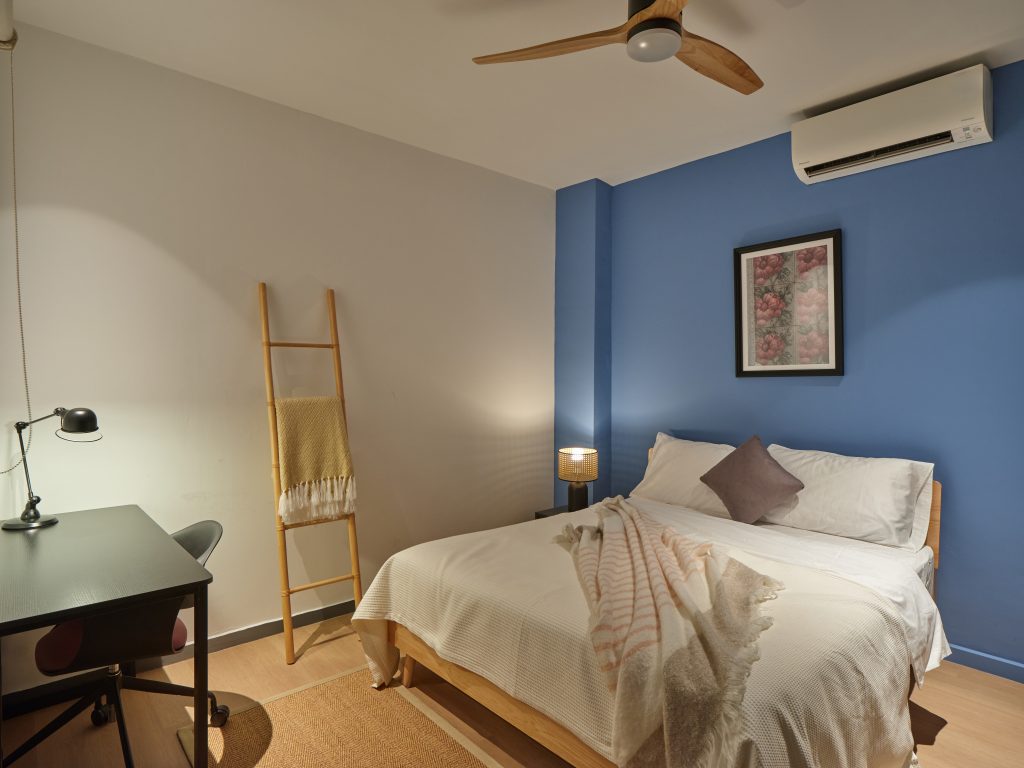
“Monthly rental” means different things in Singapore. For some it is paying rent month by month on an ongoing lease; for others it is a short, fully-serviced stay billed monthly. This guide untangles the formats, the minimum-stay rules behind them, and what to set aside in your budget.
What “monthly rental” actually means
Most standard leases in Singapore are paid monthly but signed for a fixed term. The shortest legal stay depends on property type: private homes carry a three-month minimum set by URA, and HDB flats a six-month minimum. Truly flexible month-to-month arrangements are usually offered through serviced apartments (licensed for stays from seven days) or co-living operators, rather than ordinary private leases.
The main monthly-rental formats
| Format | Typical minimum | Who it suits |
|---|---|---|
| Serviced apartment | 7 days | Short, flexible, fully-serviced stays |
| Co-living room | 1–3 months | Professionals wanting community and simple bills |
| Whole-unit private lease | 3 months | Renters wanting their own space |
| Monthly hotel / aparthotel | Nightly | Maximum convenience, higher cost |
What to budget for
- Security deposit — commonly one month’s rent for a one-year lease, scaling with the term.
- Agent fees — payable on some private leases; co-living and serviced options often have none.
- Utilities and internet — bundled in many co-living and serviced stays, billed separately on standard leases.
- Furnishing — serviced and co-living units are move-in ready; bare units cost more to set up.
Flexible monthly vs a longer lease — which is cheaper?
Flexibility has a price. A rolling monthly serviced or co-living stay costs more per month than a fixed annual lease, because you are paying for the freedom to leave, plus furniture and services. A fixed lease is cheaper month for month but locks in your deposit and commits you for the full term. The right choice comes down to how certain your plans are: if you may move within a few months, the flexible premium can be worth it; if you are settled, a longer lease usually wins on cost.
How to lower your monthly cost
- Commit to a longer term where you can — rates usually drop with length of stay.
- Choose a room in a shared home over a whole unit to split common costs.
- Favour all-inclusive stays that bundle utilities and Wi-Fi so there are no surprise bills.
- Move outside peak demand periods, when operators are more open to better rates.
Can I rent month-to-month in Singapore?
Yes, but mainly through serviced apartments or co-living rather than standard private leases, which carry a three-month minimum (six months for HDB). Confirm the rolling terms and notice period in writing.
Is monthly renting more expensive?
Per month, flexible and serviced options usually cost more than a fixed annual lease, because you are paying for flexibility, furniture and services. The longer you can commit, the lower the monthly rate tends to be.
Match the format to your stay. For flexible months explore co-living or a monthly hotel-style stay; for a defined few months a three-month rental can be cost-effective; and if you want a whole home, browse Figment’s houses.
Similar Posts

Coliving Near Every MRT Station in Singapore | Figment
Figment runs boutique coliving houses in eight conserved-shophouse neighbourhoods across Singapore, and every one is a walk from at least one MRT station. Rather than a separate page for every nearby station, here is the full picture in one place: which neighbourhood, which station, which house, and what living there is actually like. Tanjong Pagar […]
Is Airbnb Legal in Singapore? The Rules, Penalties and Legal Alternatives
Airbnb-style short stays under three months are not allowed in Singapore homes. Here are the rules, the penalties for hosts, and the legal ways to book a short stay.
Co-Living in Singapore for Couples: What to Know Before You Move In
Can couples do co-living in Singapore? How shared homes work for two, what to check on room types and house rules, and how it compares to renting a flat.

Comments