


How Much Does Co-Living Cost in Singapore? A 2026 Price Guide
One of the first questions renters ask about co-living is simple: what does it actually cost? The honest answer is that the headline rent tells only half the story, because co-living bundles things a normal tenancy bills separately. Here is how co-living pricing works in Singapore and what moves it up or down.
What a co-living price includes
A co-living rate is designed to be close to all-in. In most Singapore co-living homes, one monthly payment covers:
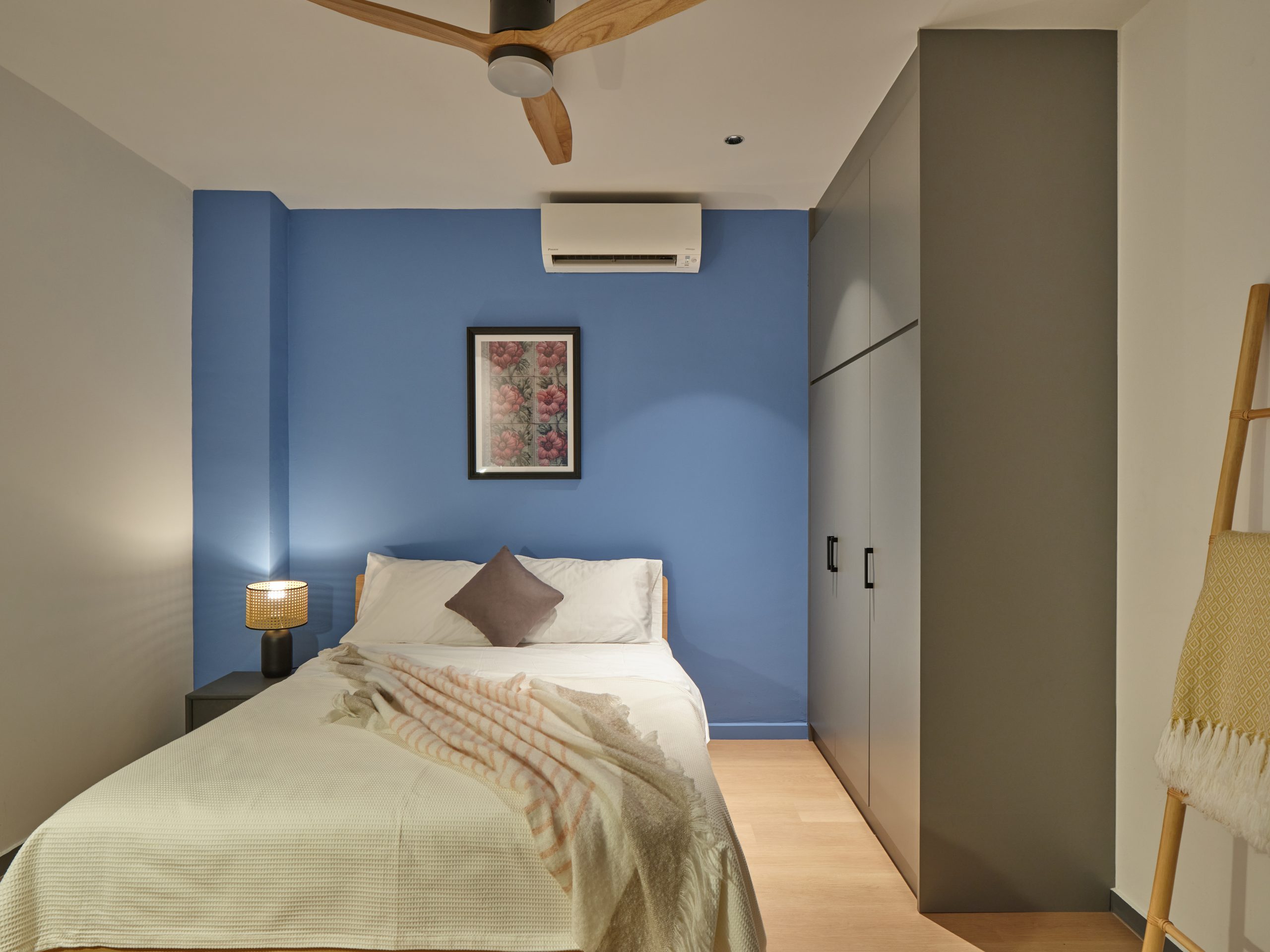
- A furnished private room
- Utilities — electricity, water and gas
- High-speed Wi-Fi
- Weekly cleaning of shared areas and general maintenance
- Community events, and sometimes co-working space
Renting a room privately looks cheaper on the rent line alone, but you then add utilities, Wi-Fi, an agent fee, furniture and your own cleaning.
| Cost item | Co-living | Renting a room privately |
|---|---|---|
| Monthly rent | One bundled rate | Rent only |
| Utilities & Wi-Fi | Included | Extra |
| Cleaning of shared areas | Included | Your responsibility |
| Furniture | Included | Often extra |
| Agent fee | Typically none | Common |
What moves the price up or down
- Location — rooms near an MRT station or the city core cost more.
- Room type — an ensuite room costs more than one with a shared bathroom.
- Building — a restored heritage shophouse differs from a plain apartment block.
- Lease length — longer commitments usually earn a better monthly rate.
How co-living compares on value
Comparing a co-living rate against a bare room rent is misleading — once you add utilities, Wi-Fi, cleaning, furniture and an agent fee to a private room, the gap narrows quickly. Figment lists co-living options under S$2,000 a month and charges no agent fee. For a fuller picture, weigh co-living versus renting a room and co-living versus a studio apartment.
Minimum stay and flexibility
Co-living in standard private homes follows the same rule as any private rental in Singapore — a minimum of three consecutive months. Figment’s designated serviced-apartment shophouses offer flexible monthly stays, distinct from that three-month floor. You can browse the full range of co-living in Singapore to see what fits your budget and timeline.
How to compare co-living quotes
Because operators package things differently, put every quote on the same basis before you compare. Run through this checklist:
- Is the deposit one or two months, and what are the refund conditions?
- Which utilities are included, and is there a fair-use cap on electricity?
- Is cleaning of your own room included, or only the shared areas?
- What notice period applies if you need to leave early?
- Are community events, co-working space and laundry part of the rate?
Frequently asked questions
Is co-living cheaper than renting a whole apartment?
For one person, usually yes. You pay for a private room plus shared spaces rather than an entire unit, and bills are already included.
Are there hidden costs?
Expect a security deposit, but reputable operators fold utilities, Wi-Fi and cleaning into the quoted rate and typically charge no agent fee. Always confirm what the monthly price covers before you commit.
What is the cheapest co-living in Singapore?
Entry-level rates depend on location and room type. Rooms with a shared bathroom in a suburban house sit at the lower end; Figment lists a range of options under S$2,000 a month.
Similar Posts

Coliving Near Every MRT Station in Singapore | Figment
Figment runs boutique coliving houses in eight conserved-shophouse neighbourhoods across Singapore, and every one is a walk from at least one MRT station. Rather than a separate page for every nearby station, here is the full picture in one place: which neighbourhood, which station, which house, and what living there is actually like. Tanjong Pagar […]
Is Airbnb Legal in Singapore? The Rules, Penalties and Legal Alternatives
Airbnb-style short stays under three months are not allowed in Singapore homes. Here are the rules, the penalties for hosts, and the legal ways to book a short stay.
Co-Living in Singapore for Couples: What to Know Before You Move In
Can couples do co-living in Singapore? How shared homes work for two, what to check on room types and house rules, and how it compares to renting a flat.

Comments