


Master Room for Rent in Singapore: What to Know Before You Sign
In Singapore flat-share listings, the master room is the one everyone asks about first. It is usually the largest bedroom in the unit and, in most cases, the only one with its own ensuite bathroom. Renting one gives you privacy and space without paying for a whole apartment — but master rooms also come with rules and trade-offs worth understanding before you commit.
What counts as a master room?
A master room is the main bedroom of a flat: typically an attached bathroom, more floor area than the other bedrooms, and often better light or a balcony. A common room, by contrast, shares the household bathroom. Because of the ensuite, master rooms command a premium over common rooms in the same unit and are usually the first to go in popular neighbourhoods.
What you pay for a master room depends less on the room itself than on the unit around it: distance to an MRT station, the age and condition of the building, whether utilities and cleaning are bundled in, and how many flatmates share the common areas. Two master rooms on the same street can be priced very differently for these reasons, so always compare on the full monthly cost rather than the headline rent.
The rules that apply before you rent
Room rentals in Singapore are regulated, and the rules differ by property type:
- Private residential properties (condominiums, apartments and shophouse homes) have a minimum stay of 3 consecutive months under Urban Redevelopment Authority (URA) rules — shorter lets are not permitted.
- HDB flats have a minimum rental period of 6 months.
- A private home may house at most 6 unrelated occupants. Larger properties of at least 90 sqm can temporarily host up to 8 with URA registration, a concession extended to 31 Dec 2028.
- If you are renting from a tenant rather than the owner, ask for written proof that the owner has approved the sublet.
What to check before signing
- Who holds the lease — are you renting from the owner or subletting from a tenant?
- What the rent includes: utilities, Wi-Fi and cleaning of shared areas.
- Air-conditioning servicing — who pays, and how often it is done.
- Deposit amount, notice period and early-termination terms, all in writing.
- House rules on guests, cooking and use of shared spaces.
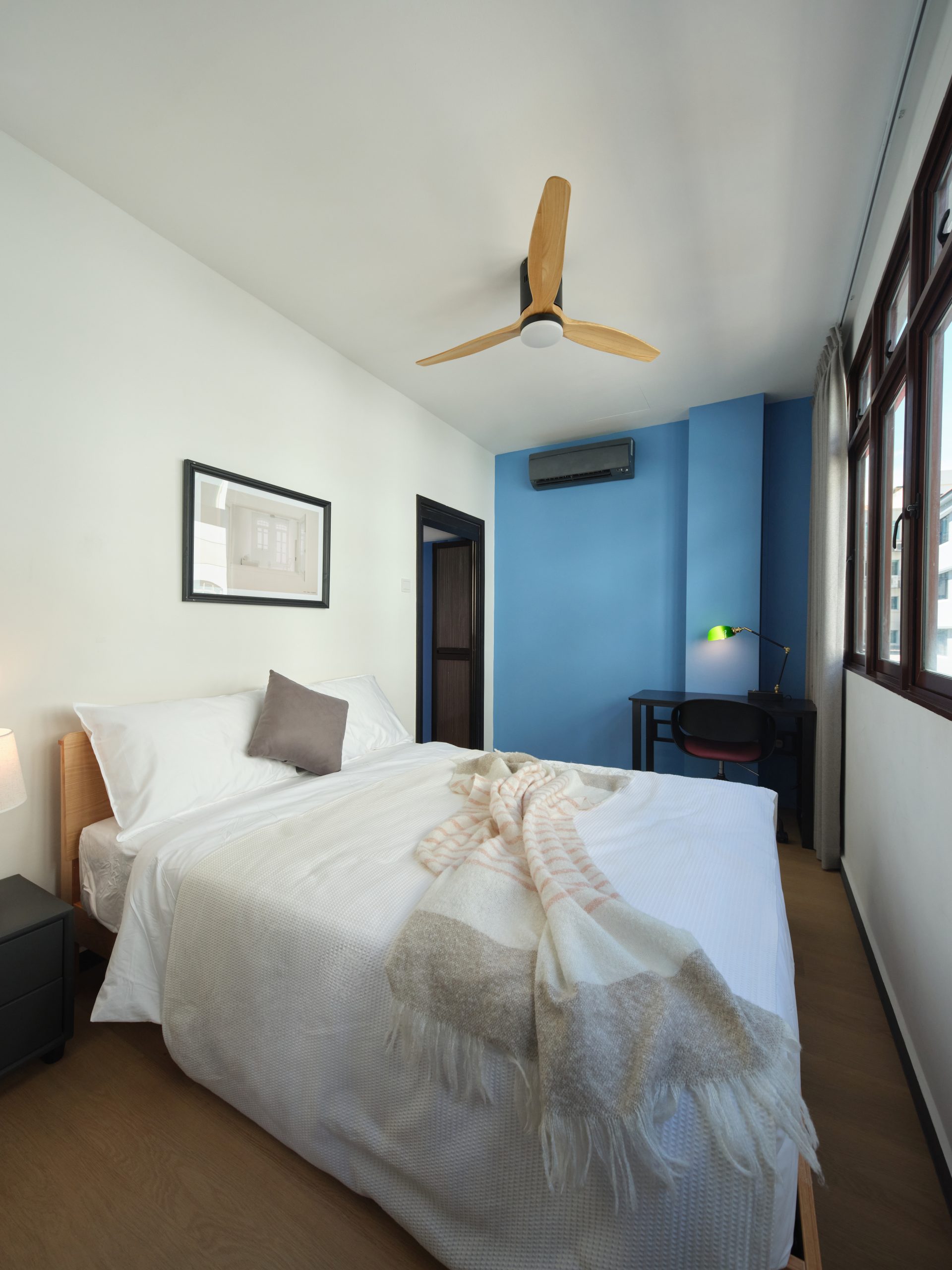
Master room or coliving ensuite?
The classic master-room arrangement means moving into someone else’s household: the furnishings, house rules and flatmates come with the flat, and agent fees often apply. Coliving with an ensuite offers the same private-bathroom privacy in a professionally managed home instead. Figment’s boutique coliving homes are designer-restored heritage shophouses where ensuite rooms come fully furnished, with no agent fee, weekly cleaning and flexible leases from 3 months. If you are weighing the two paths, our comparison of coliving versus renting a room breaks down the differences, and you can browse the houses to see what an ensuite in a shophouse looks like.
How long is the minimum rental for a master room?
Three consecutive months in private residential properties and 6 months in HDB flats. Anything under 3 months in a private home is unauthorised short-term letting — an offence under the Planning Act — while shorter HDB lets breach HDB’s rental rules.
Do master rooms come furnished?
Often only partially — a bed and wardrobe are common, but quality varies widely and you inherit whatever is there. Coliving ensuites are fully furnished and move-in ready, which is worth factoring into any price comparison.
Similar Posts
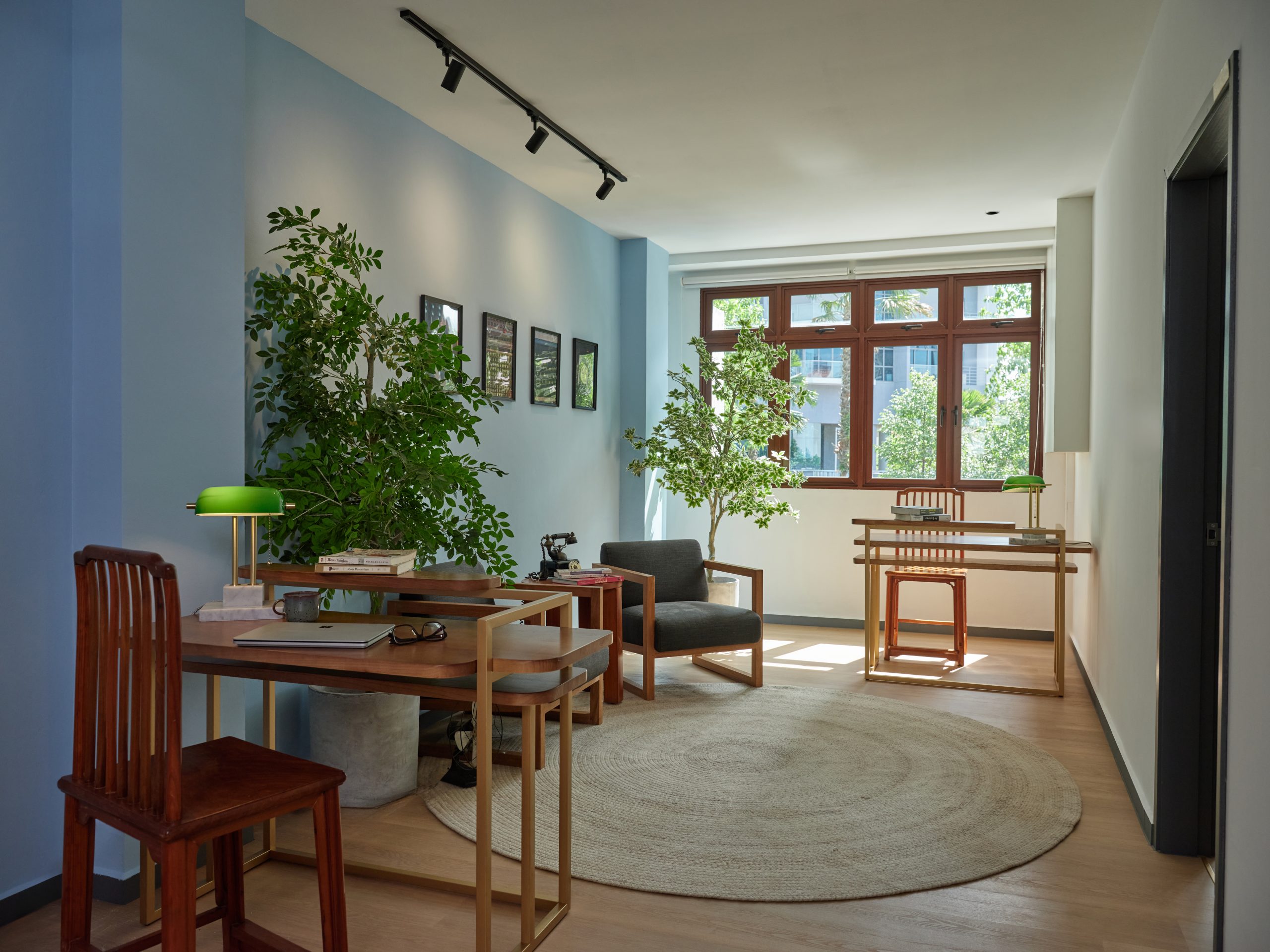
Is Airbnb Legal in Singapore? The Rules, Penalties and Legal Alternatives
Airbnb-style short stays under three months are not allowed in Singapore homes. Here are the rules, the penalties for hosts, and the legal ways to book a short stay.
Co-Living in Singapore for Couples: What to Know Before You Move In
Can couples do co-living in Singapore? How shared homes work for two, what to check on room types and house rules, and how it compares to renting a flat.
How Far Does S$1,000 a Month Go for Rent in Singapore?
A realistic look at what a S$1,000 monthly budget rents in Singapore, from co-living rooms to HDB common rooms, and how to stretch it further.

Comments