


Co-Living Hotels in Singapore: What They Are and Who They Suit
A co-living hotel blends two models: the private room and daily services of a hotel, and the shared kitchens, lounges and social programming of coliving. The format has spread across Asia as operators convert hotel buildings into long-stay communities. Here is how the model works in Singapore, the rules that shape it, and how it compares with the alternatives.
What is a co-living hotel?
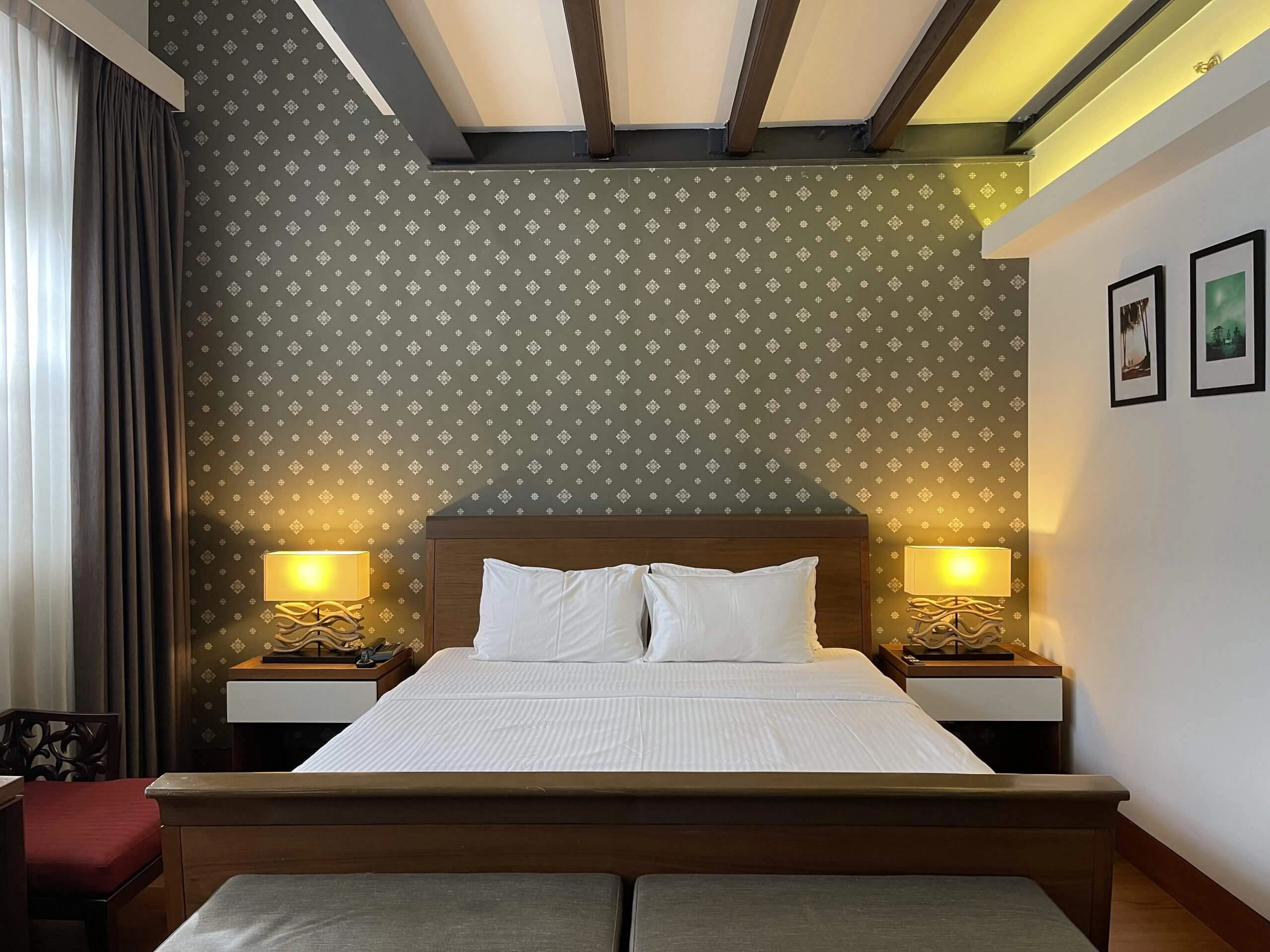
In a co-living hotel, you book a compact private room — usually with an ensuite — while cooking, laundry and social space are shared with other residents. Housekeeping, linen and utilities are bundled into one rate, and stays are managed like hotel bookings rather than tenancies. The trade-off is space and character: rooms are typically smaller than apartments, and the buildings feel closer to a hotel corridor than a home.
The rules that shape your options
Minimum stays in Singapore depend on how a property is licensed. Hotels can take guests by the night. Licensed serviced apartments have a minimum stay of 7 days. Ordinary private residential properties — including most coliving homes — require a minimum of 3 consecutive months under Urban Redevelopment Authority (URA) rules, and unauthorised short-term letting is an offence under the Planning Act.
| Co-living hotel | Serviced apartment | Boutique shophouse coliving | |
|---|---|---|---|
| Minimum stay | Nightly to monthly, per licence | 7 days (licensed) | 3 months (1 month in approved serviced-apartment shophouses) |
| Private space | Compact room, usually ensuite | Full apartment with kitchenette | Designer room in a heritage home |
| Shared space | Communal kitchen and lounges | Limited | Full shophouse: kitchen, living areas, garden |
| Feel | Hotel corridor, high turnover | Corporate | Residential, small community |
Who suits a co-living hotel?
The format works well for stays of days to a few weeks, where hotel flexibility matters more than space — a first landing pad while you search for something longer, or a project stint too short for a lease. For stays of a month or more, the economics and the experience often favour residential formats: more space, a real kitchen, and housemates who stay long enough to know.
Before booking any co-living hotel, ask three questions: what exactly is shared and with how many residents; how often housekeeping covers your room versus the common areas; and what the cancellation terms are if your plans shift. Operators differ widely on all three, and the answers matter more over a month-long stay than the nightly rate does.
The boutique alternative
If what draws you to a co-living hotel is service without anonymity, Figment’s boutique hotel alternative offers designer rooms in restored heritage shophouses with weekly cleaning, utilities and Wi-Fi included — from 3 months, with 1-month stays available in its designated shophouses approved for serviced-apartment use. Compare the formats in detail in our guide to coliving versus serviced apartments, see how coliving in Singapore works, or browse serviced-apartment alternatives by budget.
Is a co-living hotel legal for short stays in Singapore?
Yes, if the building is licensed as a hotel or serviced apartment. What is not permitted is short-term letting of ordinary homes: private residential properties require stays of at least 3 consecutive months, and HDB flats at least 6 months.
What is the minimum stay at Figment?
Three months across its heritage shophouse homes, in line with URA rules for private residential property — with 1-month stays offered only in its designated shophouses approved for serviced-apartment use.
Similar Posts
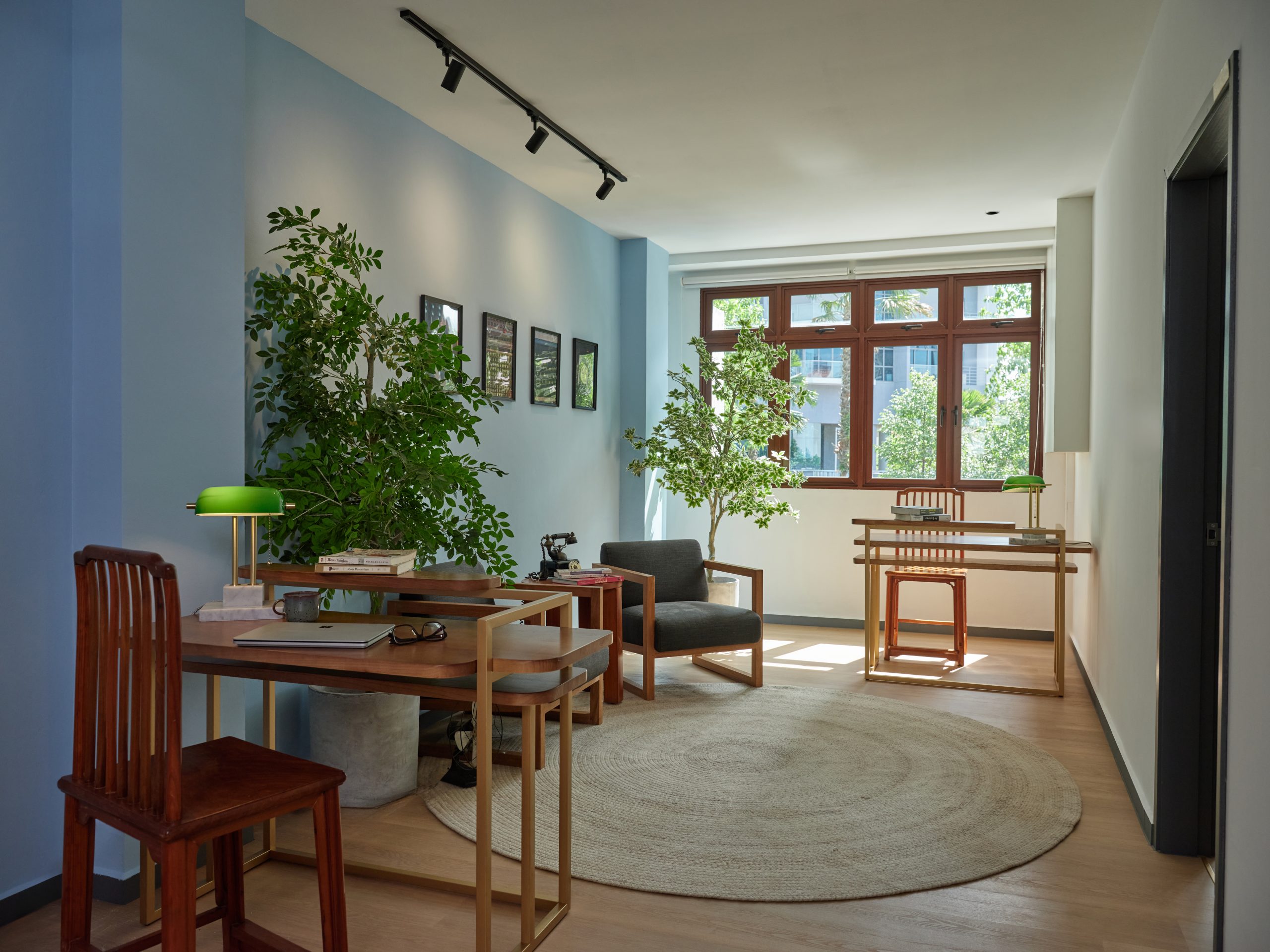
Is Airbnb Legal in Singapore? The Rules, Penalties and Legal Alternatives
Airbnb-style short stays under three months are not allowed in Singapore homes. Here are the rules, the penalties for hosts, and the legal ways to book a short stay.
Co-Living in Singapore for Couples: What to Know Before You Move In
Can couples do co-living in Singapore? How shared homes work for two, what to check on room types and house rules, and how it compares to renting a flat.
How Far Does S$1,000 a Month Go for Rent in Singapore?
A realistic look at what a S$1,000 monthly budget rents in Singapore, from co-living rooms to HDB common rooms, and how to stretch it further.

Comments