
Architecture of Peranakan Shophouses in Singapore
Introduction
The architecture of Peranakan shophouses stands as one of Singapore’s most iconic urban treasures. Walk through neighbourhoods like Joo Chiat, Katong, or Tiong Bahru, and you will quickly notice rows of colourful houses with ornate tiles, wooden shutters, and intricate carvings.
However, these buildings offer more than just visual charm. Their design reflects centuries of culture, climate adaptation, and urban living. Moreover, many heritage shophouses now support modern lifestyles, including creative studios, cafes, and coliving homes.
Today, young professionals and expats often seek homes with character and community. Therefore, Peranakan shophouses provide a perfect match. They blend historic architecture with contemporary comfort while preserving the spirit of Singapore’s neighbourhood life.
In this guide, we explore the key elements that define the architecture of Peranakan shophouses and why they remain relevant for urban living today.
The Origins of Peranakan Shophouse Architecture
Peranakan shophouses emerged in the 19th century as Singapore grew into a busy trading port. Chinese immigrants, Malay culture, and European influences shaped their design. As a result, these buildings reflect a unique cultural fusion.
Typically, merchants lived upstairs while they ran businesses on the ground floor. Consequently, the shophouse became both a home and a workplace.
Ready to live different with figment?
Join the 4000+ working professionals Figment has hosted over the past 34 years
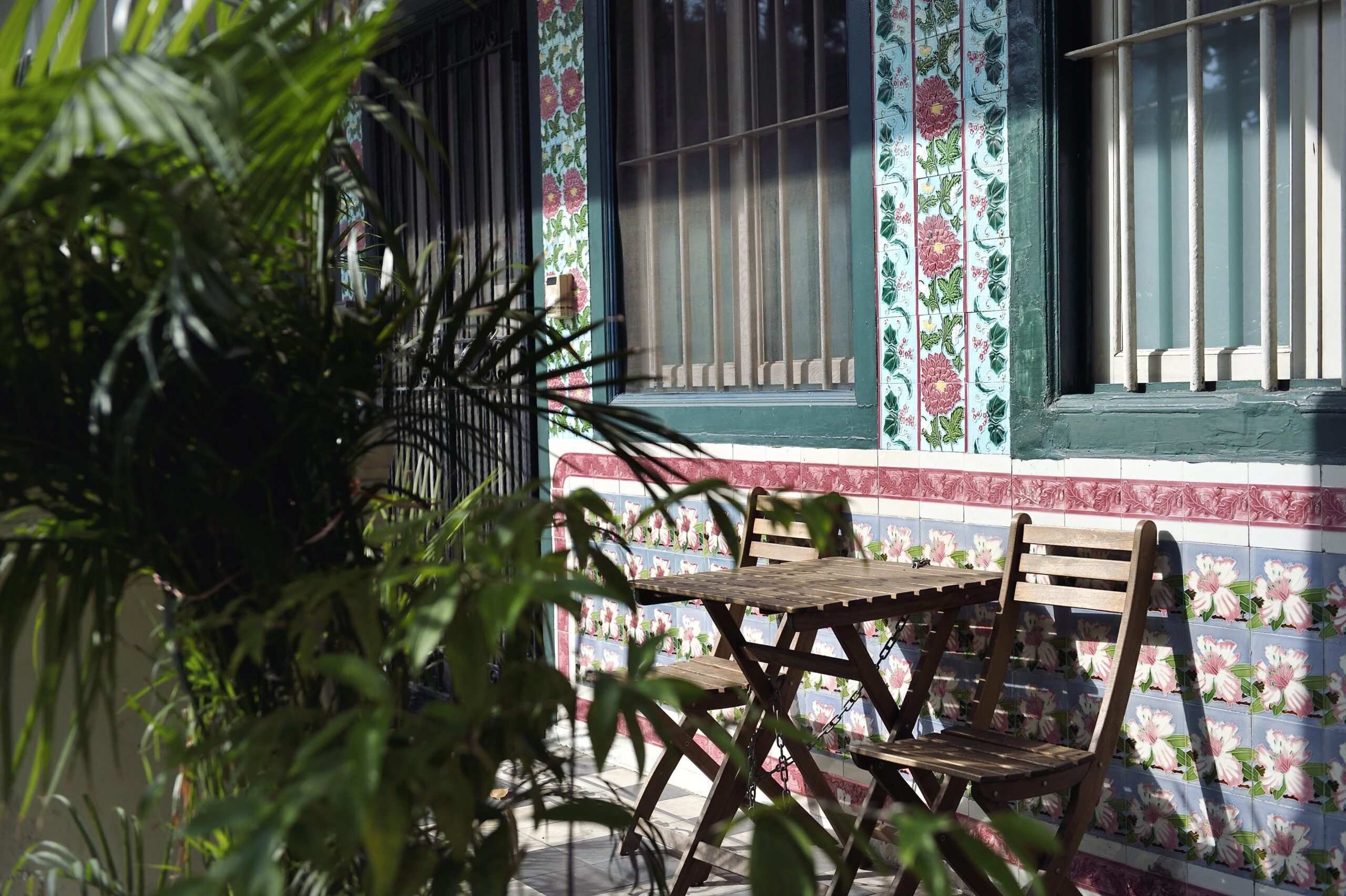
Cultural influences in design
Several architectural styles shaped Peranakan shophouses over time.
First, Chinese traditions influenced layout and symbolism. For example, courtyards often follow feng shui principles.
Meanwhile, Malay craftsmanship appears in timber carvings and decorative screens.
European colonial styles also left a mark. For instance, pastel colours, ceramic tiles, and ornate plasterwork became common in the early 1900s.
Overall, the architecture tells a story of migration, trade, and cultural exchange.
The Distinctive Facades of Peranakan Shophouses
One of the most recognisable features of Peranakan shophouses is their vibrant facade. Rows of houses display soft blues, pinks, greens, and yellows. Consequently, entire streets feel lively and welcoming.
However, these colours serve more than aesthetics. They reflect identity and pride within the community.
Decorative tiles and plasterwork
Peranakan owners often used colourful ceramic tiles to decorate entrances and walls. For example, floral patterns and geometric shapes appear throughout the exterior.
Moreover, plaster ornaments frame windows and doors. These details often include motifs such as phoenixes, peonies, or mythical animals.
Together, these features create the rich visual language that defines Peranakan architecture.

Timber shutters and French windows
Tall timber shutters line many shophouse windows. Therefore, residents can control airflow and sunlight throughout the day.
Similarly, long French windows open onto narrow balconies. These allow breezes to move through the house while offering views of the street below.
Smart Design for Singapore’s Tropical Climate
Although shophouses look decorative, their design remains highly practical. Builders developed clever solutions for Singapore’s hot and humid weather.
Therefore, many architectural features focus on airflow, shade, and cooling.
The “five-foot way”
Most Peranakan shophouses include a covered walkway at the front. Locals call this the five-foot way.
First, it protects pedestrians from rain and strong sun. Next, it creates a shaded corridor between neighbouring houses.
Consequently, these walkways encourage street life. People pause for conversations, visit nearby shops, or simply enjoy the neighbourhood atmosphere.
Air wells and courtyards
Inside the house, builders often include open-air courtyards called air wells.
These spaces allow sunlight to reach the centre of the building. Meanwhile, warm air escapes through the open roof.
As a result, natural ventilation keeps interiors cooler without modern air-conditioning.
Even today, this design remains surprisingly effective.
The Layout of Traditional Shophouses
The interior layout of Peranakan shophouses follows a long and narrow plan. Typically, the building stretches deep into the plot while the frontage stays compact.
Therefore, space flows from the front entrance toward the rear courtyard.
A journey through the home
The typical layout includes several distinct zones.
First, the front room welcomes guests or customers. Historically, shopkeepers displayed goods here.
Next, a central hall connects the main living spaces.
Meanwhile, the air well introduces light and ventilation.
Finally, the kitchen and service areas sit toward the rear of the house.
Because of this layout, each space feels connected yet private.
Upper floors for family life
The upper floors traditionally housed bedrooms and family rooms. Balconies overlooked the street, which kept residents connected to neighbourhood life.
Today, many renovated shophouses still follow this structure. However, designers often adapt the spaces for studios, home offices, or shared living areas.
Peranakan Shophouses in Modern Singapore Living
Although these buildings date back over a century, they still play a major role in Singapore’s urban lifestyle.
In fact, many heritage shophouses now support modern coliving communities.
Heritage homes with modern comfort
Renovated shophouses often include modern kitchens, stylish bedrooms, and shared lounges.
However, they still retain original architectural features. For example, patterned floor tiles, wooden beams, and carved doors often remain intact.
Therefore, residents enjoy both history and comfort in one space.
Community-focused living
Shophouses naturally encourage social interaction. Narrow streets, shared walkways, and common courtyards bring people together.
Similarly, many coliving homes inside shophouses include shared kitchens and living areas. These spaces make it easier to meet neighbours and build friendships.
For young professionals or entrepreneurs in Singapore, this environment offers a balance of privacy and connection.
Vibrant neighbourhood culture
Many Peranakan shophouses sit in lively districts like Katong, Joo Chiat, and Chinatown.
Consequently, residents live close to cafes, markets, coworking spaces, and parks.
Meanwhile, the heritage streets provide a strong sense of place. Colourful houses, local eateries, and boutique shops shape the neighbourhood identity.
Overall, these areas offer an inspiring setting for creative urban living.
Why Heritage Architecture Still Matters
In a fast-moving city like Singapore, heritage buildings offer a link to the past.
Peranakan shophouses remind residents how communities once lived, worked, and gathered.
Moreover, preserving these structures helps maintain neighbourhood character. Without them, many streets would lose their cultural depth.
At the same time, adaptive reuse keeps the buildings relevant. Cafes, studios, and coliving homes bring new energy into these historic spaces.
Therefore, the architecture continues to evolve while respecting its origins.
Conclusion
The architecture of Peranakan shophouses reflects Singapore’s rich cultural history and smart urban design. Their colourful facades, intricate details, and climate-friendly layouts reveal how communities adapted to tropical living.
Moreover, these buildings remain surprisingly suited to modern lifestyles. Renovated shophouses now support creative workspaces, vibrant neighbourhoods, and community-focused coliving.
For young professionals and expats, living in a heritage home offers something rare in a global city: character, connection, and a strong sense of place.
Ultimately, Peranakan shophouses show that great architecture does more than shelter people. It shapes the way communities live, interact, and thrive in the city.
Similar Posts
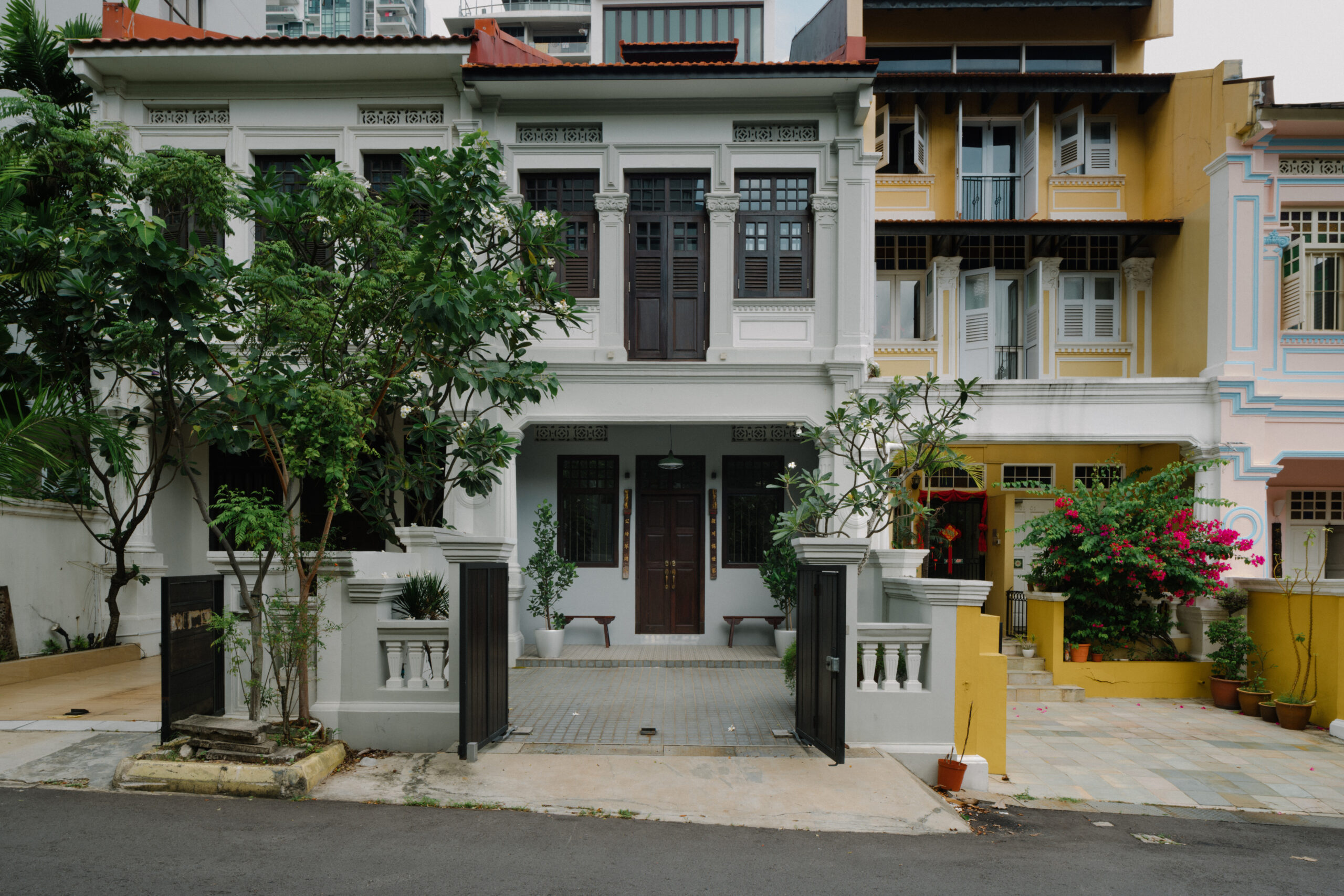
Living in Balestier: Heritage Homes for Modern Coliving
Explore boutique coliving in Balestier with Figment. Heritage shophouse living designed for modern comfort, short-term rentals, and authentic Singapore living.
Jalan Besar: Where Heritage and Creative Energy Shape Boutique Coliving
Unlike curated heritage districts, Geylang remains unapologetically real. Food culture spills onto the streets, neighbours know each other by name, and life unfolds without pretense. This is precisely what makes it compelling for heritage stays that aim to preserve lived culture, not just architectural form.
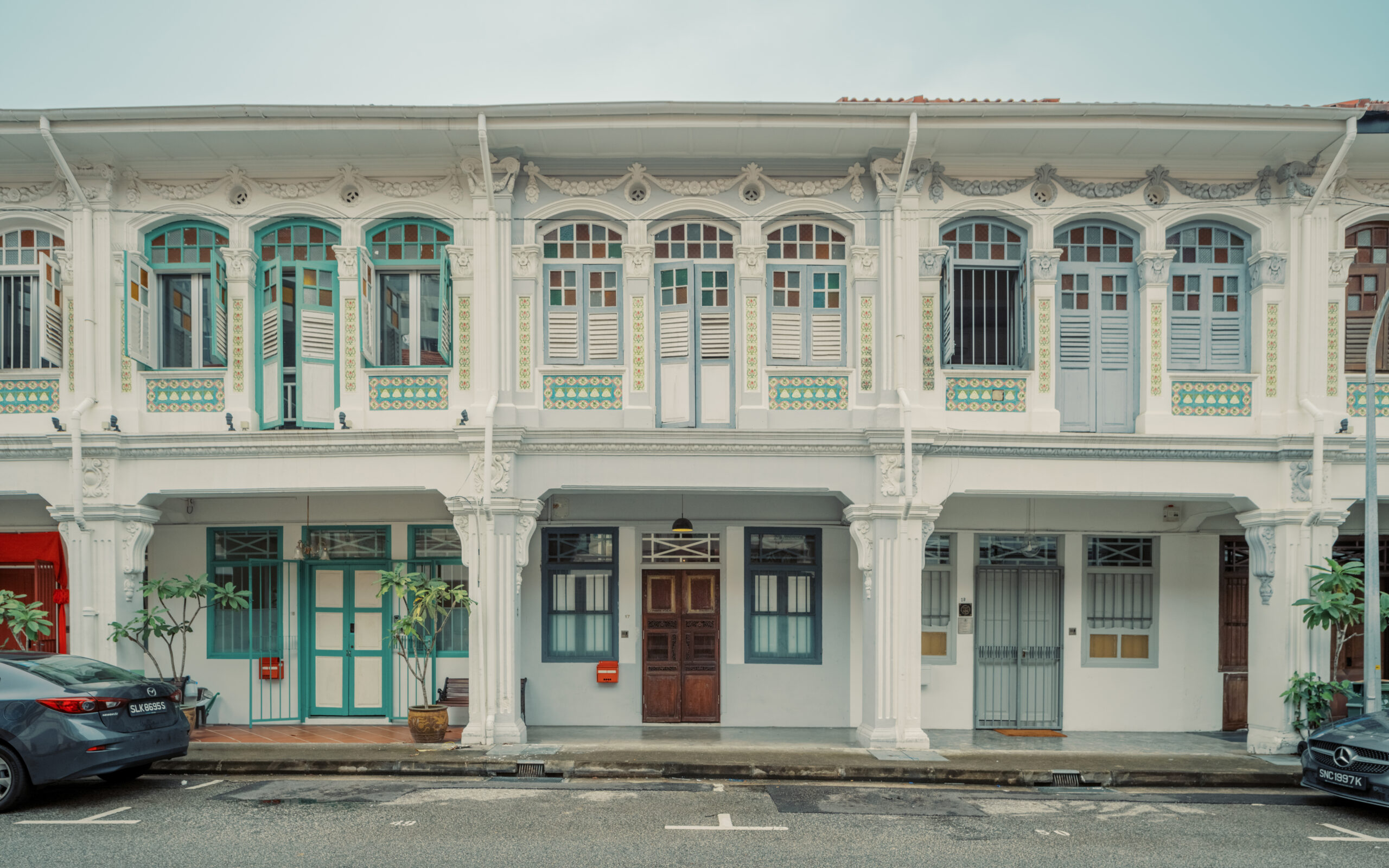
Geylang: A Lived-In Neighbourhood for Boutique Coliving in Singapore
Unlike curated heritage districts, Geylang remains unapologetically real. Food culture spills onto the streets, neighbours know each other by name, and life unfolds without pretense. This is precisely what makes it compelling for heritage stays that aim to preserve lived culture, not just architectural form.

Comments