


How to Choose a Co-Living Space in Singapore: A Practical Comparison Checklist
Search for co-living in Singapore and the results range from large dormitory-style operators to boutique heritage houses with a handful of rooms. The word covers very different products at very different price points, so a side-by-side comparison matters more than the marketing copy. Here is what to actually check before you sign.
What “Co-Living” Covers in Singapore
Co-living generally means a private bedroom with shared common areas, bundled utilities and a managed lease. Beyond that, operators differ widely: some run hundreds of beds across generic blocks, others, like Figment’s co-living houses in Singapore, restore conserved shophouses into a handful of individually designed rooms. Knowing which model you are comparing changes what questions are worth asking.
Compare the Lease Terms First
Under Singapore’s private residential rules, any lease of this kind still needs to run a minimum of three consecutive months (this is a URA rule, not an operator choice), so treat any offer of a shorter stay with caution. Beyond the legal floor, compare notice periods, whether the deposit is one month or two, and how flexible the operator is if your plans change. Figment’s short-term rental options and 3-month rental listings are a useful reference point for what a compliant, flexible lease actually looks like.
Understand What the Price Includes
A lower headline rent is meaningless if utilities, wifi, cleaning and furnishing are billed separately. Ask for an all-in monthly figure, not a base rent, and confirm whether cleaning of common areas is included or an add-on. This is usually where budget comparisons between operators go wrong.
It also helps to ask what happens if a shared appliance breaks, or if there is a dispute over a bill. Larger operators typically route this through a help desk with a response-time target, while smaller, owner-run houses may handle it more informally and, in some cases, more quickly. Neither model is automatically better, but you should know which one you are signing up for before move-in day, not after something goes wrong.
Community and Daily Life
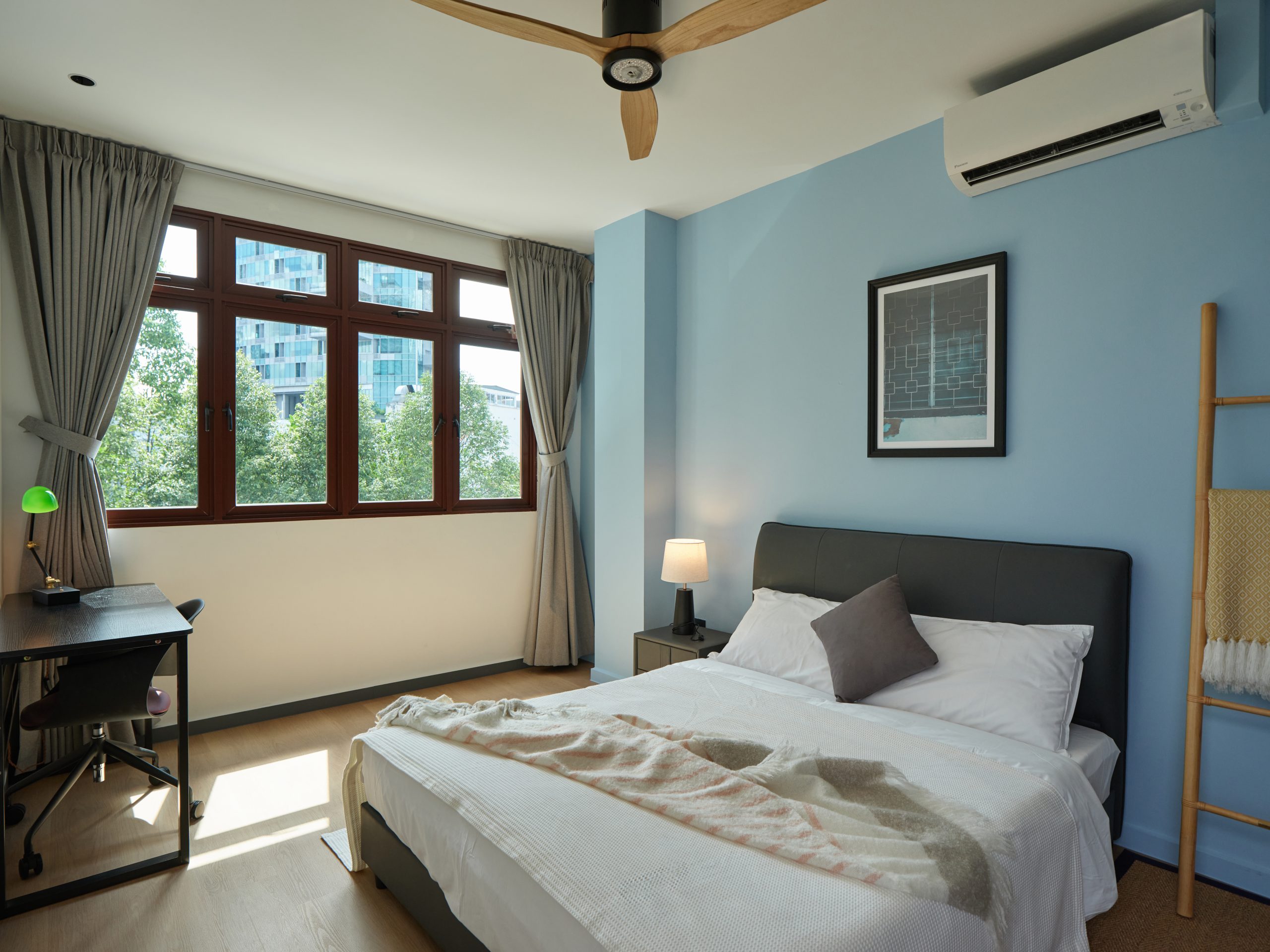
The difference between a good and a forgettable co-living experience is usually the community, not the room. Ask how many people share the common areas, whether there are organised meals or events, and how the operator screens new members. Houses positioned for working adults, such as Figment’s co-living for professionals, tend to be quieter and more predictable than housing aimed at a younger, transient crowd.
Location and Commute
Co-living houses are spread across very different neighbourhoods, from heritage districts to areas closer to the CBD. Before comparing price per square foot, map each option against your actual commute; a cheaper room 40 minutes from work is not necessarily the better deal. Browsing available Figment houses by neighbourhood is a fast way to shortlist by location first.
A Side-by-Side Checklist
| What to Ask | Why It Matters |
|---|---|
| Minimum lease length and notice period | Confirms legal compliance and your exit flexibility |
| All-in monthly cost vs base rent | Avoids underestimating your real budget |
| Community size and house vibe | Determines day-to-day quality of life |
| Distance and commute time | Often outweighs a small difference in rent |
| Deposit amount and refund process | Protects your cash at move-out |
Is co-living cheaper than renting alone?
Usually yes on a total-cost basis, since utilities, wifi and furnishing are bundled, but always compare the all-in monthly figure rather than headline rent alone.
Do co-living spaces have a minimum stay?
Private residential co-living in Singapore operates under the same three-month minimum stay rule as any other private residential lease. Any operator advertising a shorter stay outside a licensed serviced-apartment arrangement is worth questioning before you commit.
Similar Posts

Coliving Near Every MRT Station in Singapore | Figment
Figment runs boutique coliving houses in eight conserved-shophouse neighbourhoods across Singapore, and every one is a walk from at least one MRT station. Rather than a separate page for every nearby station, here is the full picture in one place: which neighbourhood, which station, which house, and what living there is actually like. Tanjong Pagar […]
Is Airbnb Legal in Singapore? The Rules, Penalties and Legal Alternatives
Airbnb-style short stays under three months are not allowed in Singapore homes. Here are the rules, the penalties for hosts, and the legal ways to book a short stay.
Co-Living in Singapore for Couples: What to Know Before You Move In
Can couples do co-living in Singapore? How shared homes work for two, what to check on room types and house rules, and how it compares to renting a flat.

Comments