
How Much Deposit Do You Need to Rent in Singapore?
If you plan to rent in Singapore, you must prepare for a security deposit. So, how much do you actually need?
In most cases, the answer depends on your lease term. However, landlords across Singapore follow a simple rule. As a result, you can estimate your deposit even before you sign a contract.
Let’s break it down clearly.
Standard Rental Deposit in Singapore
In Singapore, landlords usually ask for:
- 1 month of rent as deposit for a 1-year lease
- 2 months of rent as deposit for a 2-year lease
For example, if your rent is SGD 3,000 per month:
- A 1-year lease: SGD 3,000 deposit
- A 2-year lease: SGD 6,000 deposit
This rule applies across private condos, landed homes, and most HDB rentals. Therefore, you should always factor this amount into your upfront budget.
Ready to live different with figment?
Join the 4000+ working professionals Figment has hosted over the past 34 years
Why Do Landlords Ask for a Deposit?
A security deposit protects the landlord. However, it also creates accountability on both sides.
Typically, the deposit covers:
- Property damage beyond normal wear and tear
- Unpaid rent
- Unpaid utility bills (if applicable)
- Early termination without valid reason
In other words, the deposit acts as financial protection. If you maintain the unit well and follow the lease terms, you should receive it back in full.
When Do You Pay the Deposit?
Usually, you pay the deposit when you sign the Tenancy Agreement (TA).
Before that, you might pay a small good faith deposit (often called an option fee). Then, once both parties sign the agreement, that amount forms part of your full security deposit.
So, prepare your funds early. Most landlords expect payment via bank transfer.
When Do You Get the Deposit Back?
You should receive your deposit after the lease ends and after the landlord completes a final inspection.
In practice, this process usually works as follows:
- You vacate the unit.
- The landlord inspects the property.
- Both parties agree on any deductions.
- The landlord refunds the balance.
Typically, landlords return the deposit within 14 days. However, always check your Tenancy Agreement for exact timelines.
What Can Be Deducted?
Landlords cannot deduct money without reason. However, they can deduct costs for:
- Broken fixtures
- Damaged furniture
- Stained walls beyond normal use
- Missing items listed in the inventory
On the other hand, they cannot charge you for natural wear and tear. For instance, slight paint fading or minor scuffs from daily living should not result in deductions.
Therefore, always document the unit’s condition before moving in.
How to Protect Your Deposit
You can take simple steps to avoid disputes.
1. Do a Detailed Inventory Check
Before you move in, inspect everything carefully. Then, take photos and videos. After that, share them with your landlord or agent.
This step protects you later.
2. Understand the Tenancy Agreement
Read every clause. In particular, check:
- Repair responsibilities
- Professional cleaning requirements
- Diplomatic clause (if you are an expat)
If anything seems unclear, ask questions before signing.
3. Maintain the Property Well
Keep the unit clean. Also, report maintenance issues early. Small problems often grow into bigger ones if ignored.
Does Deposit Change for Room Rentals?
Yes, sometimes.
If you rent just a room instead of a full apartment, landlords may ask for:
- 1 month deposit for shorter stays
- Lower deposit for flexible leases
However, terms vary. Therefore, always confirm before transferring money.
What About Serviced Apartments and Co-Living?
In some cases, serviced apartments or co-living spaces require lower deposits. For example, operators such as Figment may offer flexible lease terms and simpler deposit structures.
As a result, upfront costs can feel lighter compared to traditional rentals. Moreover, these arrangements often include utilities and maintenance, which reduces surprise expenses.
How Much Cash Should You Prepare in Total?
Besides the deposit, you should budget for:
- First month’s rent
- Stamp duty (for leases above 3 months)
- Agent commission (if applicable)
So, if your rent is SGD 3,000 for a 1-year lease, your upfront cost may look like this:
- SGD 3,000 deposit
- SGD 3,000 first month rent
- Stamp duty
- Possible agent fee
Therefore, plan at least 2–3 months of rent as initial outflow.
Final Thoughts
In Singapore, rental deposits follow a clear rule: 1 month for 1 year, 2 months for 2 years.
However, your actual upfront cost includes more than just the deposit. So, always calculate the full picture before committing.
Most importantly, protect yourself. Document everything. Read the contract carefully. Communicate clearly. When you do that, you greatly reduce the risk of disputes.
If you prepare well, renting in Singapore becomes straightforward, predictable, and stress-free.
Similar Posts
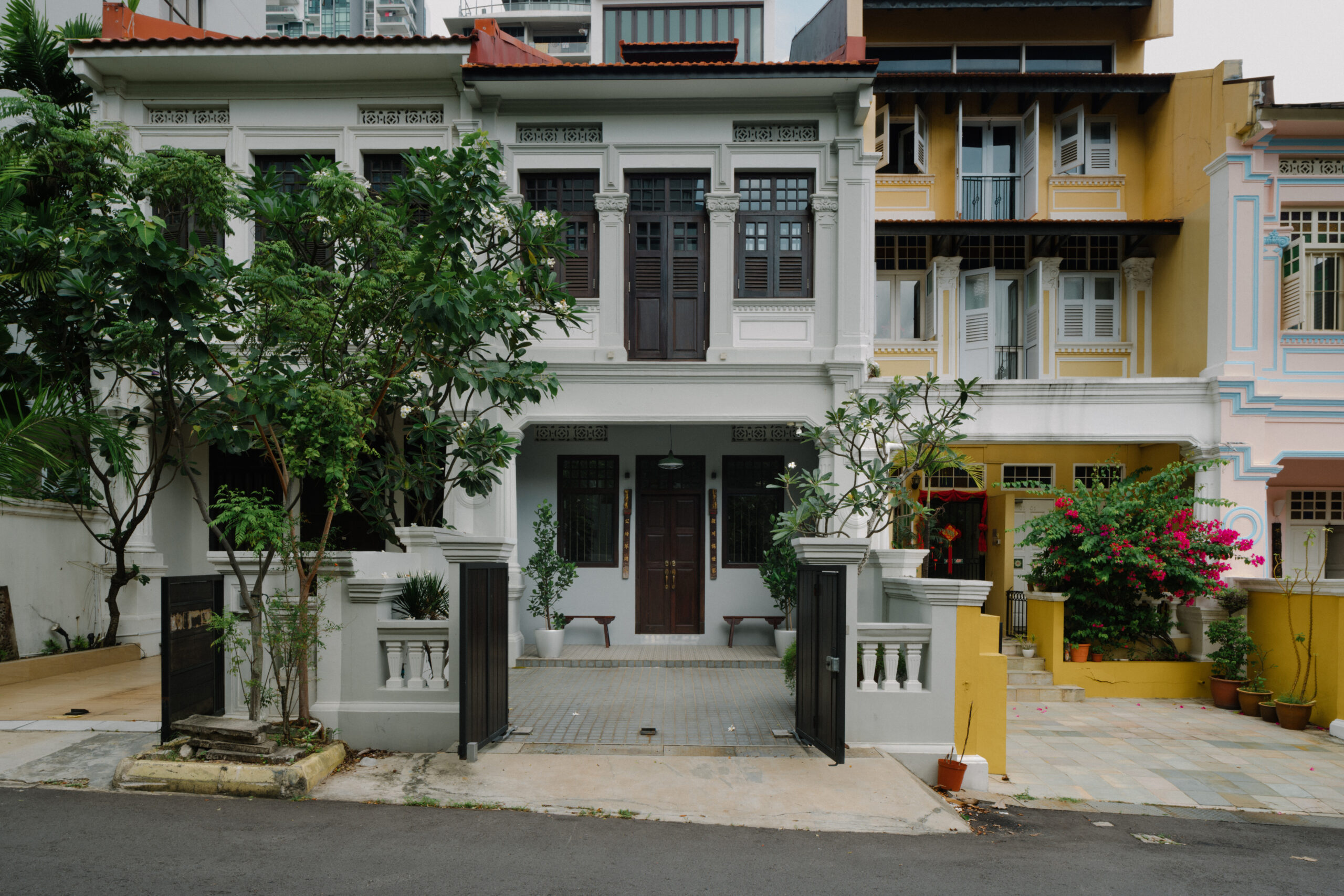
Living in Balestier: Heritage Homes for Modern Coliving
Explore boutique coliving in Balestier with Figment. Heritage shophouse living designed for modern comfort, short-term rentals, and authentic Singapore living.
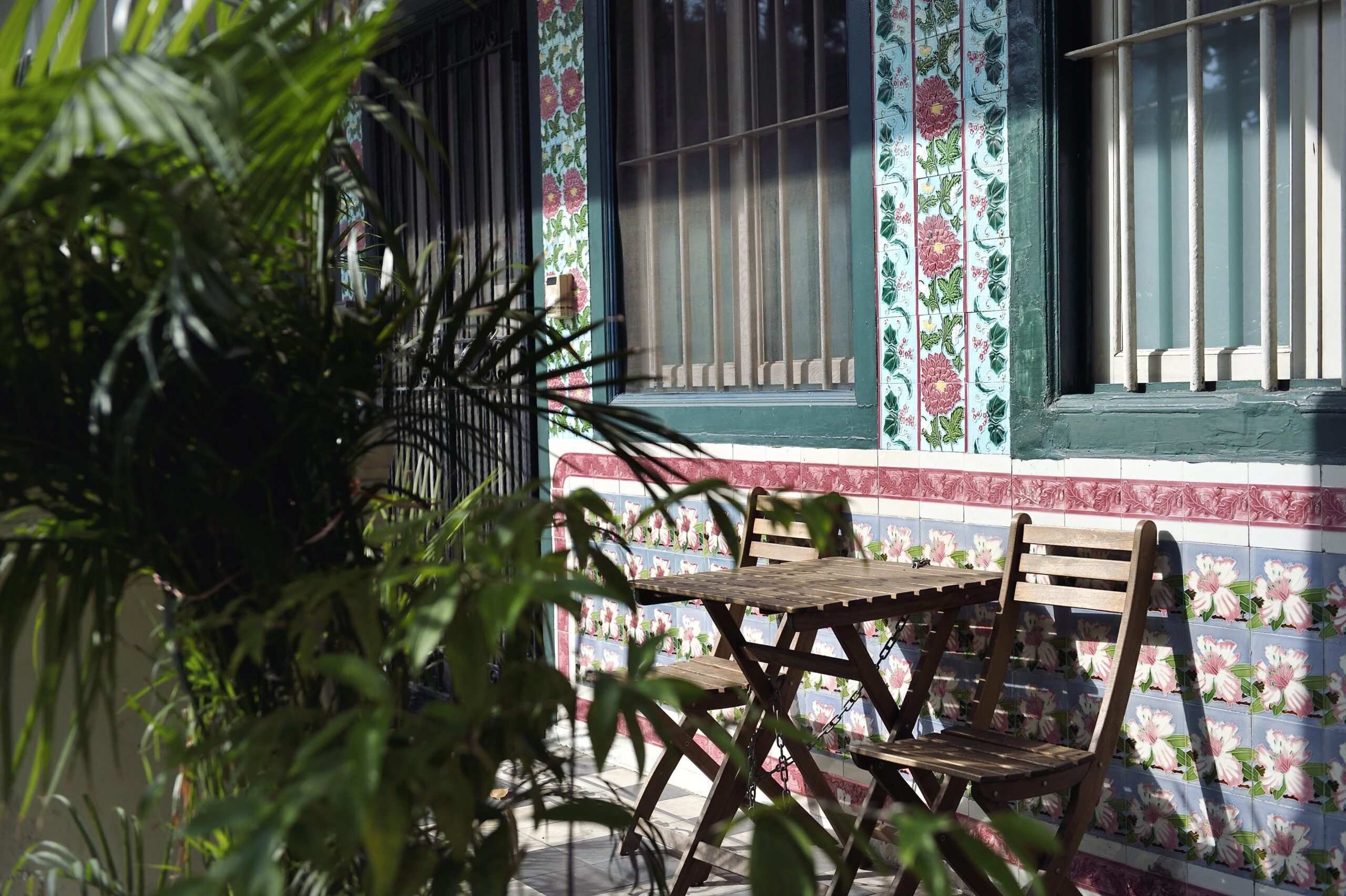
Jalan Besar: Where Heritage and Creative Energy Shape Boutique Coliving
Unlike curated heritage districts, Geylang remains unapologetically real. Food culture spills onto the streets, neighbours know each other by name, and life unfolds without pretense. This is precisely what makes it compelling for heritage stays that aim to preserve lived culture, not just architectural form.
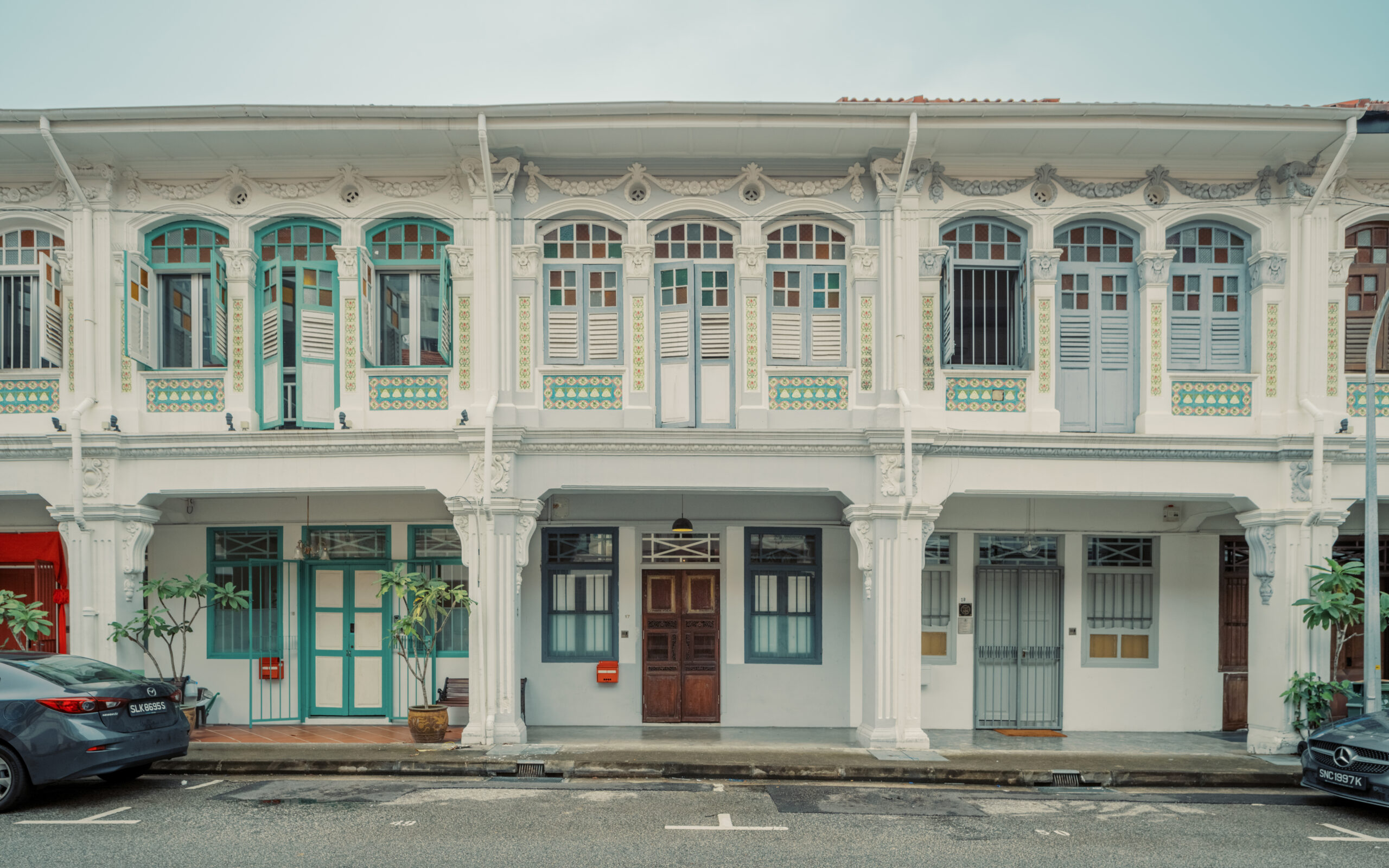
Geylang: A Lived-In Neighbourhood for Boutique Coliving in Singapore
Unlike curated heritage districts, Geylang remains unapologetically real. Food culture spills onto the streets, neighbours know each other by name, and life unfolds without pretense. This is precisely what makes it compelling for heritage stays that aim to preserve lived culture, not just architectural form.

Comments