


Is Airbnb Legal in Singapore? Short-Term Rental Rules Explained (2026)
Travellers searching for an Airbnb in Singapore often discover, sometimes after booking, that most short stays in private homes here operate outside the law. Singapore has some of the strictest short-term accommodation rules in the region, and they shape which stays are actually available, and legal.
The short answer
Airbnb as most people know it, booking a private apartment for a few nights, is generally not legal in Singapore. Under Urban Redevelopment Authority (URA) rules, private residential properties cannot be rented out for less than three consecutive months. Housing & Development Board (HDB) flats carry an even longer minimum of six months. The Airbnb platform itself is not banned, but a listing being visible does not make the stay lawful.
What the rules actually say
Private residential properties
The URA defines short-term accommodation as any stay of less than three consecutive months. Condominiums, apartments and landed houses cannot be used this way, regardless of whether the host owns the property. Private homes are subject to a default occupancy cap of six unrelated persons per unit; larger properties of at least 90 square metres may house up to eight under a temporary relaxation that requires registration with the URA, currently extended to 31 December 2028.
HDB flats
Public housing rules are stricter still. HDB flats and rooms can only be rented out for a minimum of six months, and short-term stays of any kind are not permitted.
What happens if the rules are broken
Unauthorised short-term letting is an offence under the Planning Act. First-time cases are typically settled with composition fines, while repeat or multi-property offenders face prosecution and fines that can reach S$200,000 per charge. Enforcement is real: URA investigates complaints from neighbours and building management, and hosts, not guests, bear most of the legal risk. Even so, guests can be left scrambling for accommodation if a stay is cut short.
Legal ways to stay short term in Singapore
Hotels
Hotels are licensed separately and have no minimum stay. They work for short visits, but costs climb quickly once a stay stretches past a few weeks. For longer visits, compare monthly hotel rentals in Singapore against other options before committing.
Licensed serviced apartments
Serviced apartments are approved for stays of seven days or more and bundle housekeeping and utilities into the rate. They suit corporate travellers, though pricing is typically the highest of the long-stay options. See Figment’s guide to serviced apartments in Singapore for what to expect.
Co-living and flexible rentals
For stays of a month and beyond, short-term rentals and co-living homes offer furnished rooms with utilities, Wi-Fi and housekeeping included, at rates designed for longer visits. If your timeline is around a quarter, a 3-month rental aligns neatly with the rules for private residential properties.
Staying with Figment
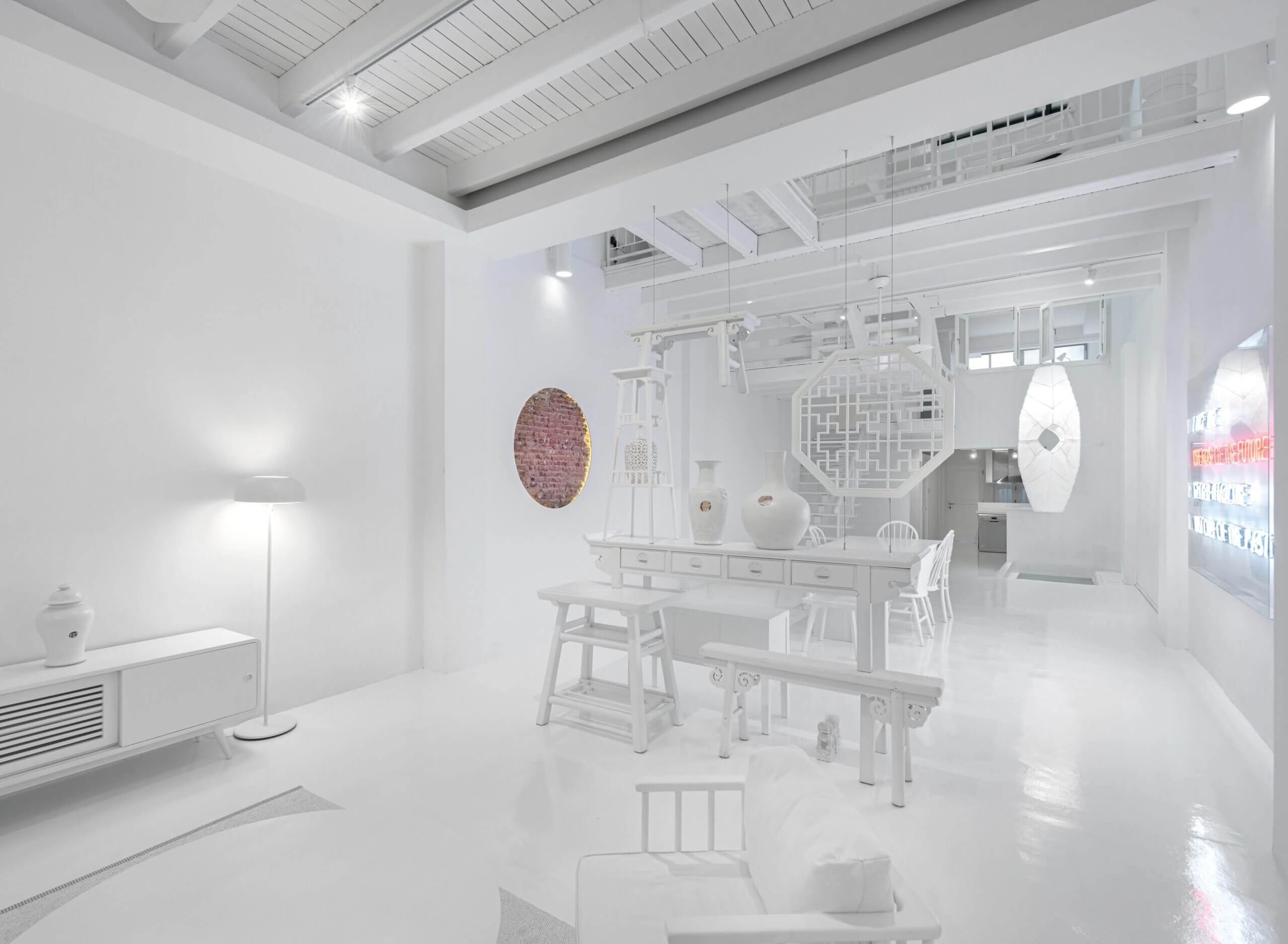
Figment offers private rooms and studios in conserved heritage shophouses across Singapore’s most storied neighbourhoods, from Tanjong Pagar to Joo Chiat. Stays are fully furnished, flexible and compliant, with a community of creative professionals built in. Browse co-living in Singapore or explore Figment’s houses to find a neighbourhood that fits.
Frequently asked questions
Can I book an Airbnb for one month in Singapore?
A one-month stay in a private home still falls below the three-month minimum, so it is not permitted in private residential properties. One-month stays are legal in hotels and licensed serviced apartments. Co-living homes in ordinary residential premises start at three months, though some operators offer shorter stays in properties approved for serviced-apartment use. See 1-month rentals in Singapore.
Is the Airbnb platform banned in Singapore?
No. The platform operates here, and licensed hotels and serviced apartments can list on it legally. The restriction applies to the use of private residential property for stays under three months.
What is the minimum rental period in Singapore?
Three consecutive months for private residential properties, and six months for HDB flats.
Similar Posts
Coliving Near Every MRT Station in Singapore | Figment
Figment runs boutique coliving houses in eight conserved-shophouse neighbourhoods across Singapore, and every one is a walk from at least one MRT station. Rather than a separate page for every nearby station, here is the full picture in one place: which neighbourhood, which station, which house, and what living there is actually like. Tanjong Pagar […]
Is Airbnb Legal in Singapore? The Rules, Penalties and Legal Alternatives
Airbnb-style short stays under three months are not allowed in Singapore homes. Here are the rules, the penalties for hosts, and the legal ways to book a short stay.
Co-Living in Singapore for Couples: What to Know Before You Move In
Can couples do co-living in Singapore? How shared homes work for two, what to check on room types and house rules, and how it compares to renting a flat.

Comments