
The Living Heritage of Singapore Shophouses: A Modern Interpretation
This is the version of Singapore that most travellers never see, and that many expats end up falling in love with.
There’s a moment many expats describe when they first wander through a Singapore neighborhood lined with shophouses. They stop walking. The colors, the shutters, the five-foot ways, the little details catching the light – all of it feels like a welcome pause in a city that rarely slows down. These homes aren’t monuments kept behind ropes; they’re lived in, adapted, layered with new stories.
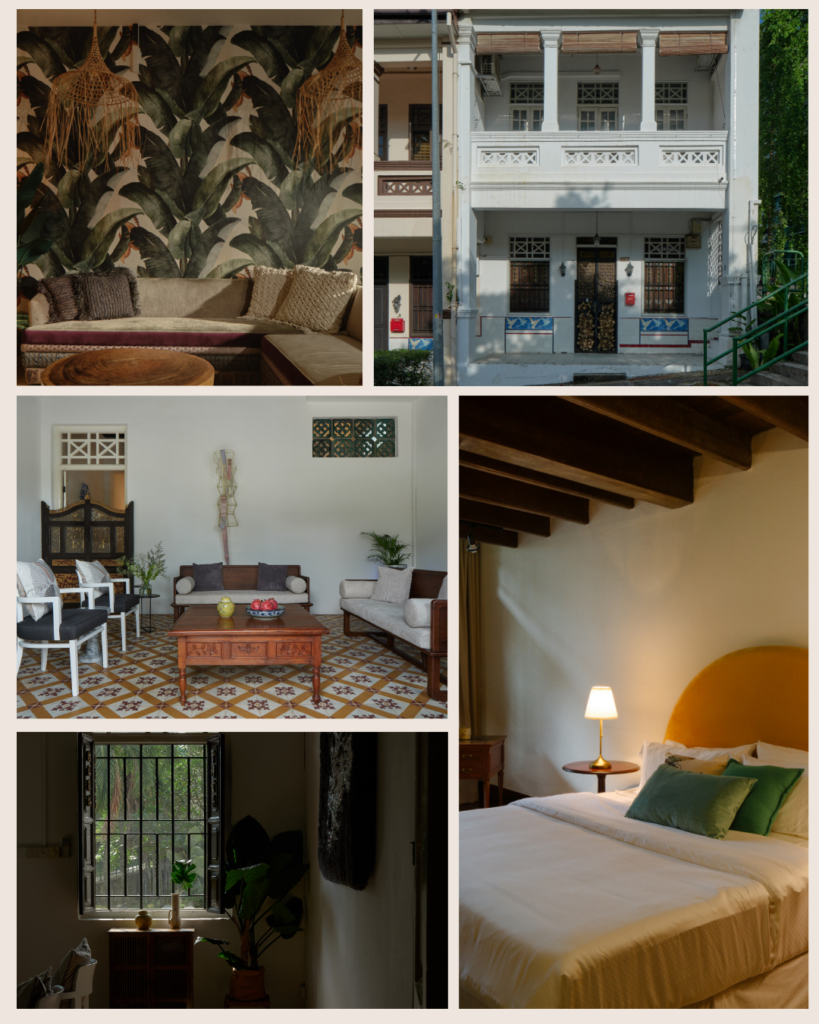
At Figment, we think of shophouses not as relics, but as living heritage: architectural time capsules that continue to evolve as new people and ideas and cultures pass through them. This is the version of Singapore that most travellers never see, and that many expats end up falling in love with.
Today, living in a shophouse is so much more than an aesthetic decision; it speaks to a deeper yearning for place, character, and belonging – particularly among global residents seeking something far more meaningful than what a modern high-rise can provide.
Ready to live different with figment?
Join the 4000+ working professionals Figment has hosted over the past 34 years
Let’s look at how these homes have reinvented themselves from utilitarian structures to cherished symbols of culture and why they resonate with those seeking a home with soul.
What makes a shophouse ‘living heritage’?
The shophouses of Singapore date from the 1800s, when early migrants put up homes that served as small storefronts or workshops. Decades passed, and architecture shifted – from Early Straits to Art Deco to Modern – but the function remained absolutely constant: a shophouse was always a place where real life was lived.
Unlike historical buildings displayed behind glass, today’s shophouses are active, personal, and expressive. They house writers and photographers, young families and entrepreneurs, designers and long-term expats to create new stories in walls that hold old stories.
A shophouse isn’t finished. It’s a continuing collaboration of past and present.
Why shophouses speak to modern expats
For many who relocate to Singapore – the globally mobile set, especially – the first months are filled with a quiet question: Where do I belong?
The new condo towers offer convenience but little sense of identity. Every hallway looks like the next, every window reveals a similar skyline; there’s little to anchor yourself to. Shophouses create connection, however, simply by being themselves.
A Sense of Place: Step out of your door and you instantly find yourself woven into the rhythm of your neighbourhood: the aunties arranging fruit at corner stalls, people sipping coffee at a shop, and the after-dinner hum of returning residents. This rootedness is something many expats crave, without knowing it.
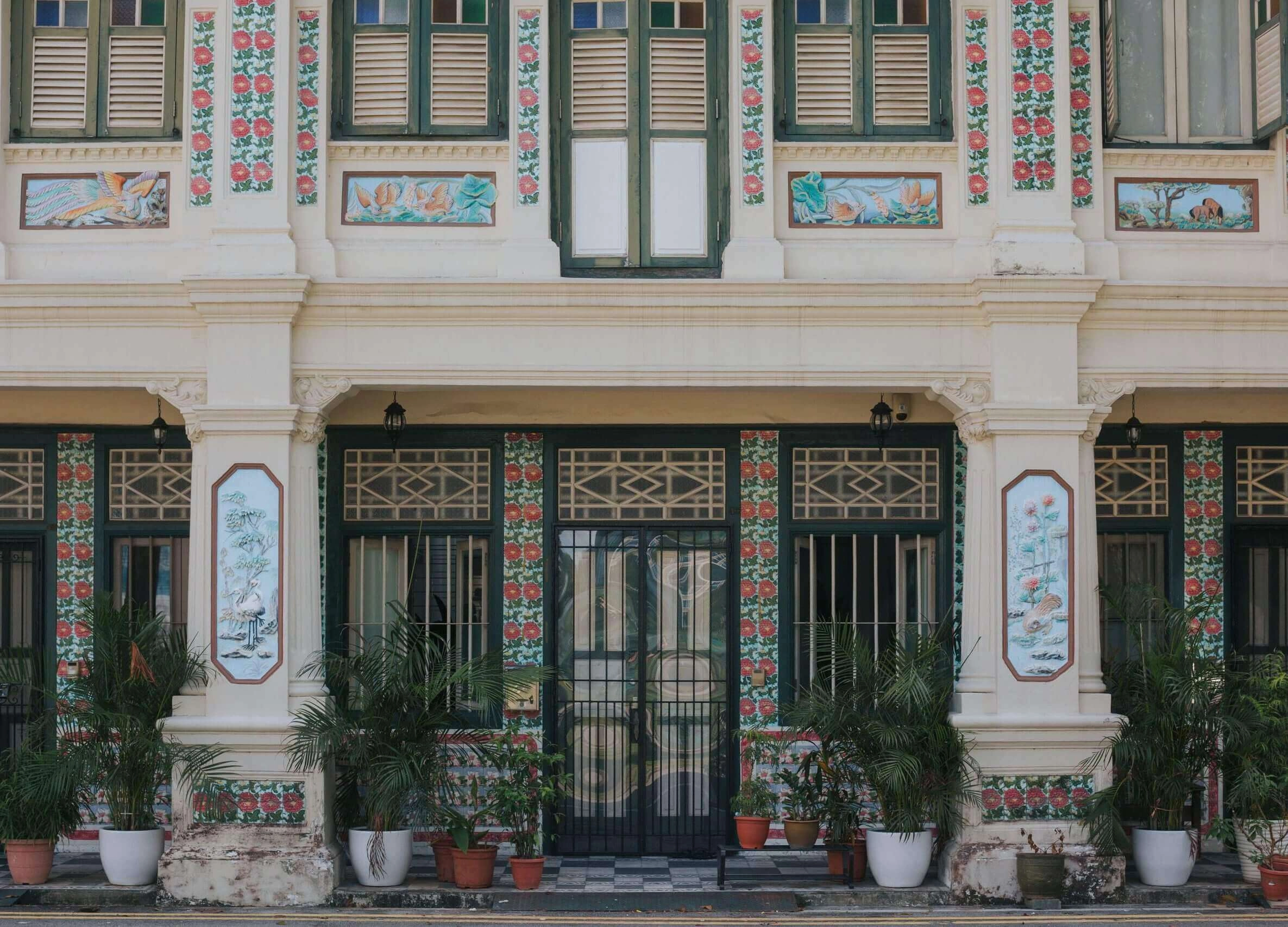
Character You Can Feel: Everything from handcrafted tiles to timber beams worn smooth by decades of monsoon rains imparts a tactile quality to the shophouses. They feel more like homes, not units.
Community Happens Organically: Because shophouses sit in walkable, culturally rich districts like Jalan Besar, Joo Chiat, and Tiong Bahru, people become easy to meet. At Figment, we’ve seen the residents form friendships, host dinners, start creative collaborations, even launch businesses together – all because they were brought together by the soulfulness of the space around them.
Singapore’s story of conservation: Safeguarding what counts
But as Singapore raced towards modernisation in the 1970s and ’80s, it soon became clear that progress didn’t need to come at the expense of history. The URA began conserving shophouses across the island, not just the exteriors, but the essence of the neighbourhoods too.
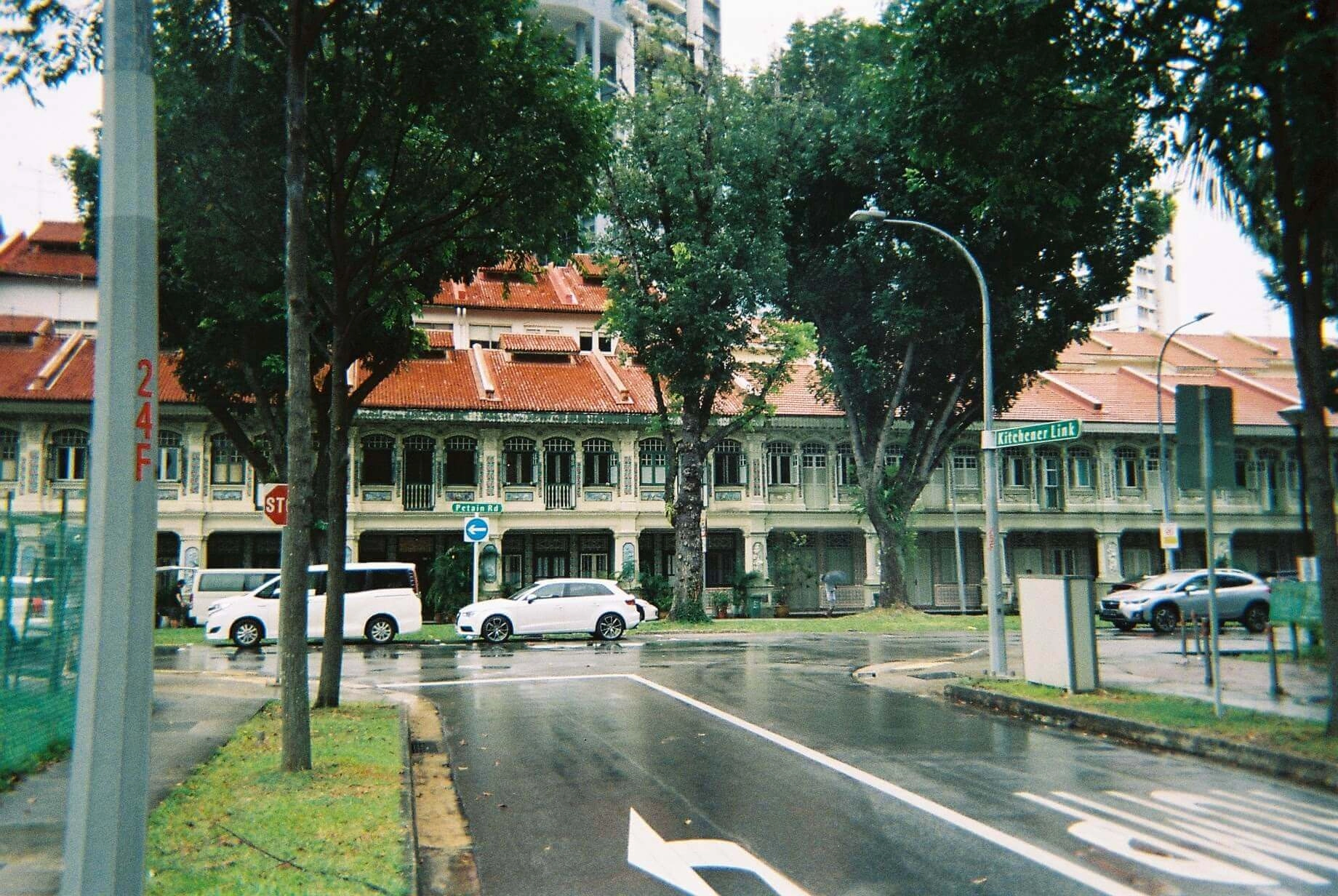
Today, you will find conserved districts like Emerald Hill, Tanjong Pagar, Joo Chiat, Kampong Glam, Chinatown which retain a timeless identity while evolving with each new generation. And because shophouses cannot be demolished or overbuilt, they remain rare – and therefore deeply treasured by those who choose to live in them.
Why living in a shophouse feels like coming home
At its core, choosing a heritage home is choosing a different kind of life – one shaped by culture, creativity, and community. It’s choosing charm over sameness, story over sterility. For expats who have lived in cities around the world, Singapore’s shophouses become an anchor that makes the city feel like theirs. And for us at Figment, helping residents find that sense of home is the whole mission.
Similar Posts
Our Jalan Besar: Craft, Community, Coffee & more
Thoughts on Jalan Besar from its residents and enthusiasts.

Networked Communities: Digitally Native, Natively Digital
In this increasingly globalised world, we constantly ask our location-independent selves the question of where we should live.

Comments