


Moving to Singapore for Work? Here’s Where to Live
So, you’re moving to Singapore for work. First of all, congratulations. The city offers strong career growth, high safety, and a vibrant social life. However, where you live will shape your daily experience far more than your office address.
Therefore, before you sign a lease, you should understand the city’s neighbourhoods, commute patterns, and expat housing Singapore options. This guide will help you choose the right area based on lifestyle, budget, and work location.
Why Location Matters in Singapore
Singapore may look small on a map. Yet, each neighbourhood feels distinct. Moreover, your choice affects commute time, weekend plans, and even your social circle.
Most professionals work in the Central Business District (CBD). So, many expats choose homes within 20–30 minutes of Raffles Place, Marina Bay, or Tanjong Pagar. Fortunately, public transport is fast and reliable. As a result, you can live slightly outside the core and still enjoy an easy commute.
Now, let’s explore the most popular areas for expats.
1. Tanjong Pagar & CBD – Live Close to Work
If you want zero commute stress, start here. Tanjong Pagar sits next to the CBD. Therefore, you can walk to work if your office sits in the financial district.
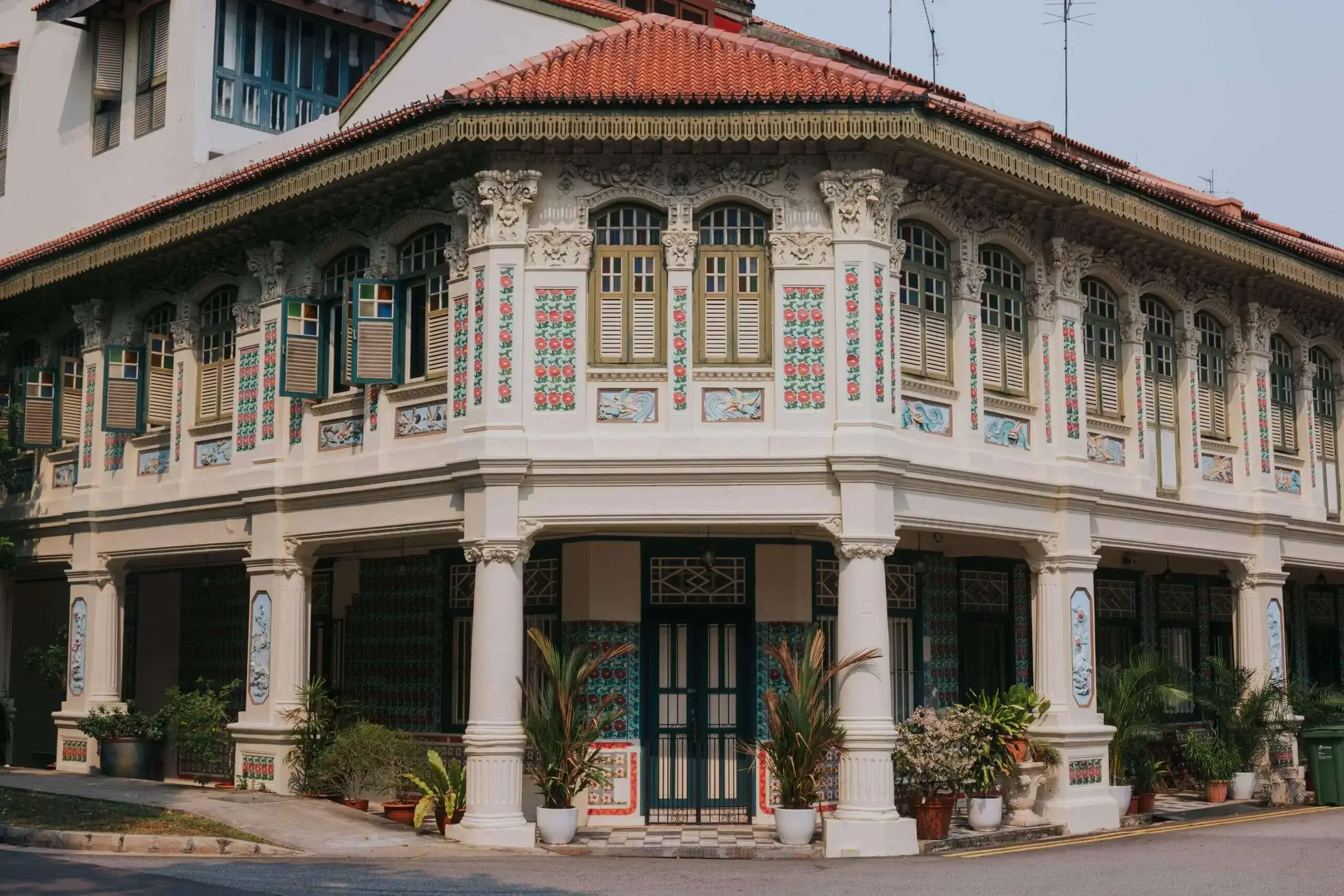
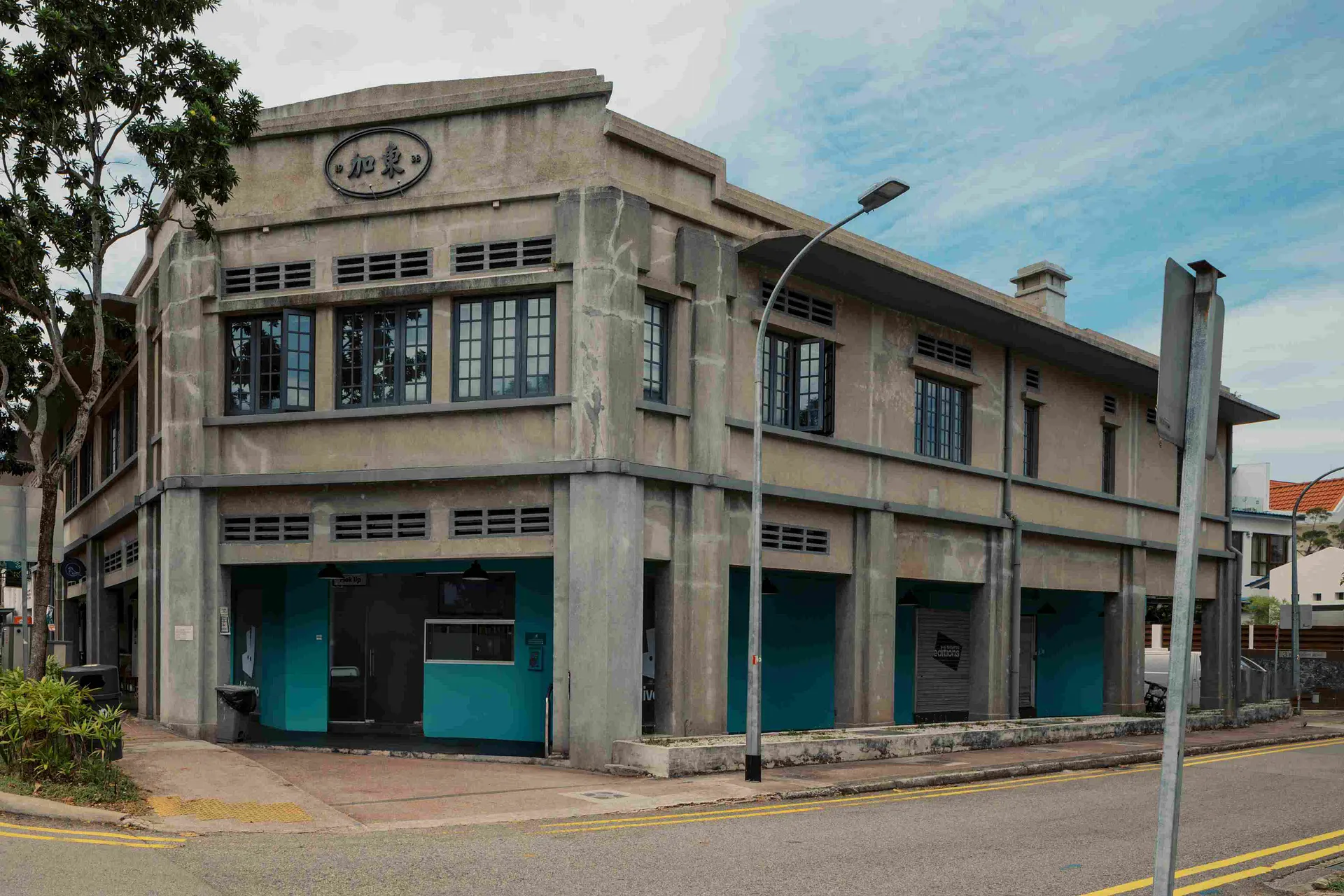
The area blends modern towers with conserved shophouses. Additionally, you’ll find rooftop bars, gyms, and late-night dining options.
Who should live here?
- Finance and tech professionals
- Founders and consultants
- People who value convenience over space
However, rent runs higher here. So, many newcomers consider shared expat housing Singapore options such as boutique co-living spaces. This setup reduces cost while offering community and flexibility.
2. River Valley & Robertson Quay – Balanced and Social
Next, consider River Valley. This area offers a strong mix of calm streets and social energy. Moreover, you can reach the CBD in 10–15 minutes.
You’ll enjoy riverside walks, cafés, and weekend brunch spots. At the same time, the neighbourhood feels more relaxed than Marina Bay.
Best for:
- Young couples
- Mid-level managers
- Professionals who want both nightlife and quiet
Rental prices remain premium, yet you gain space compared to the CBD core.
3. Tiong Bahru – Heritage with Character
If you prefer charm over glass towers, choose Tiong Bahru. The estate features low-rise Art Deco buildings and leafy streets. In addition, you’ll find indie bookstores and artisan cafés.
Commuting stays simple. The MRT connects you to the CBD in under 10 minutes. Therefore, many creatives and media professionals settle here.
Ideal for:
- Designers and entrepreneurs
- Long-term expats
- People who enjoy a village feel
Although supply stays limited, the lifestyle payoff feels worth it.
4. Orchard & Newton – Central and Polished
Orchard places you at the heart of shopping and luxury living. Meanwhile, Newton offers a quieter residential tone just minutes away.
Both areas attract senior executives and families. Furthermore, international schools sit within easy reach. Expect high-rise condos with pools, gyms, and security. Consequently, rent aligns with the premium experience.
5. East Coast & Katong – Relaxed and Residential
Finally, look east if you want space and sea breeze. East Coast and Katong provide larger homes and a laid-back vibe. In addition, you’ll enjoy beach runs and cycling paths.
The commute to the CBD takes 20–30 minutes. However, many expats accept that trade-off for more room and a calmer pace.
This area suits families and professionals who plan to stay long term.
Understanding Expat Housing Singapore Options
Now that you know the areas, let’s break down housing types.
1. Condominiums
Most expats choose private condos. These buildings offer pools, gyms, and security. As a result, they feel easy and familiar.
2. Serviced Apartments
If you’re on a short contract, serviced apartments offer flexibility. Utilities and cleaning often come included. Therefore, you avoid setup hassle.
3. Co-Living Spaces
Co-living has grown fast in Singapore. It offers private rooms with shared common areas. Moreover, leases stay flexible. For professionals moving to Singapore alone, this option builds instant community.
Because relocation can feel overwhelming, many newcomers start with flexible housing. Then, after three to six months, they upgrade or relocate once they understand the city better.
How to Choose the Right Area
Before you sign anything, ask yourself:
- How far is my office from the nearest MRT?
- Do I value nightlife or quiet evenings?
- Am I staying for one year or longer?
- Do I want community or privacy?
Additionally, visit the area at night before committing. The energy changes after sunset. Therefore, you’ll gain a clearer picture of daily life.
Final Thoughts: Plan Smart Before Moving to Singapore
Moving to Singapore opens doors to global careers and vibrant living. However, your housing decision will shape your entire experience.
So, start early. Research neighbourhoods. Compare expat housing Singapore options. Most importantly, match your lifestyle to your location.
When you choose the right area, Singapore stops feeling foreign. Instead, it starts feeling like home.
Similar Posts
Living in Balestier: Heritage Homes for Modern Coliving
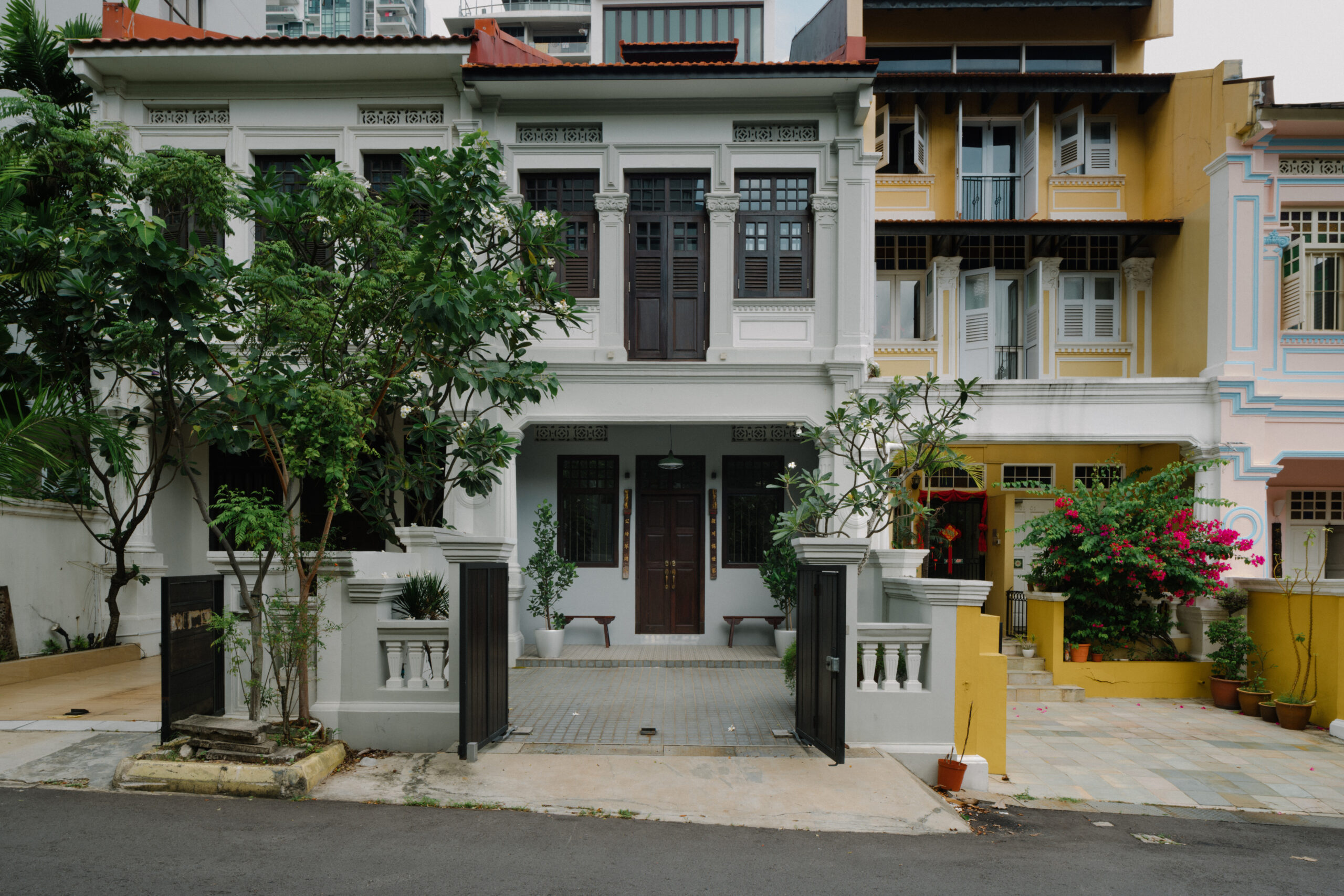
Explore boutique coliving in Balestier with Figment. Heritage shophouse living designed for modern comfort, short-term rentals, and authentic Singapore living.
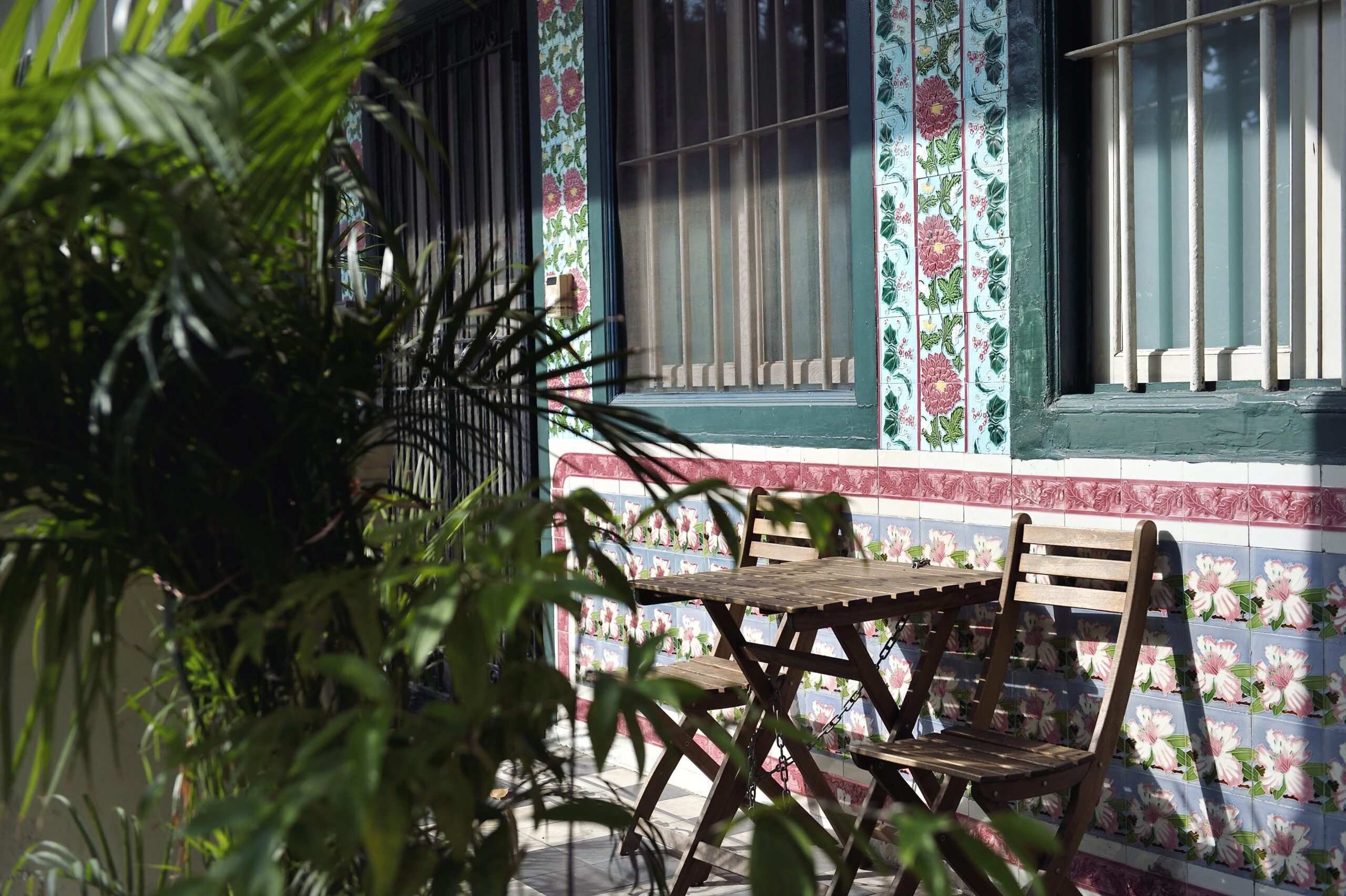
Jalan Besar: Where Heritage and Creative Energy Shape Boutique Coliving
Unlike curated heritage districts, Geylang remains unapologetically real. Food culture spills onto the streets, neighbours know each other by name, and life unfolds without pretense. This is precisely what makes it compelling for heritage stays that aim to preserve lived culture, not just architectural form.
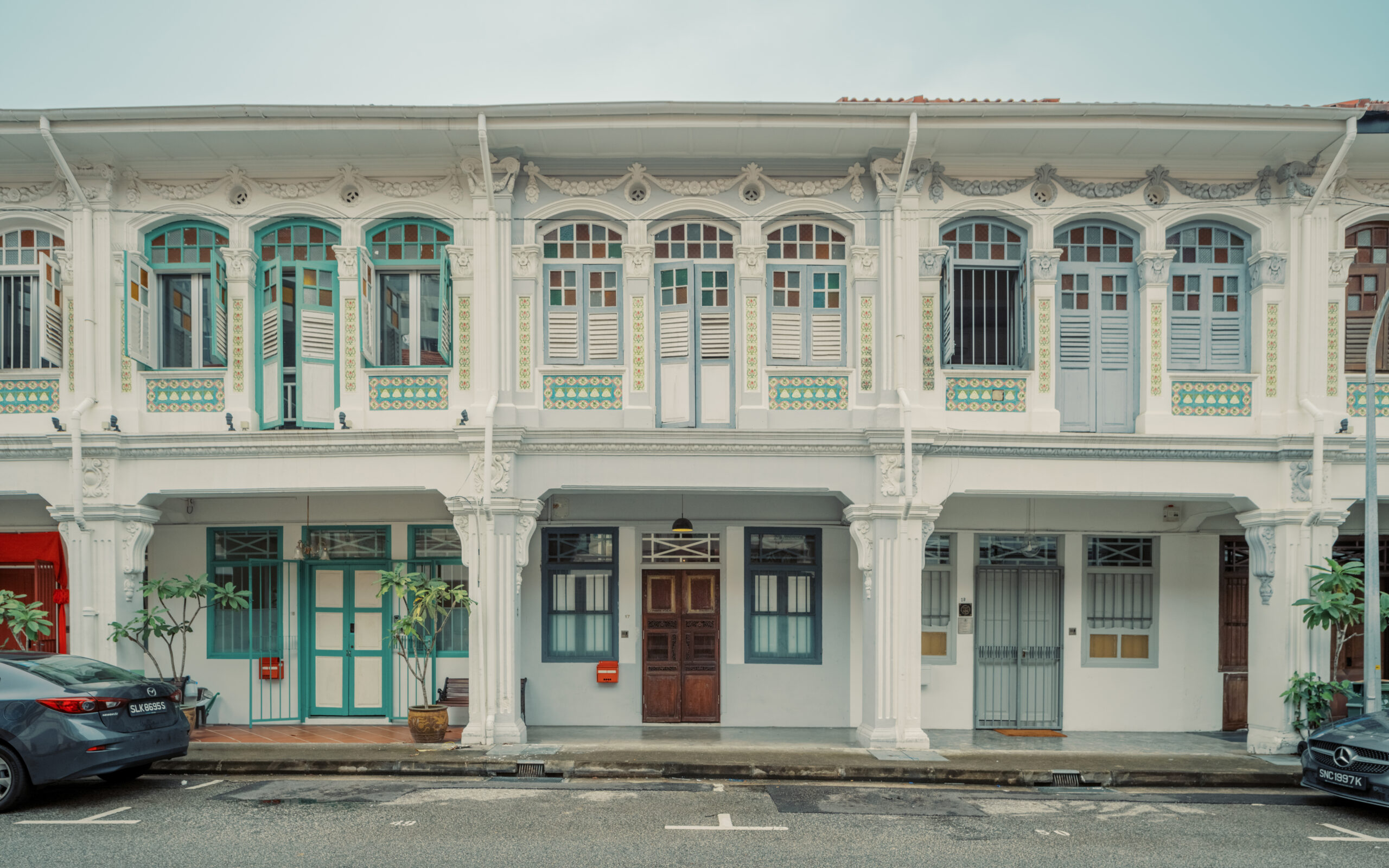
Geylang: A Lived-In Neighbourhood for Boutique Coliving in Singapore
Unlike curated heritage districts, Geylang remains unapologetically real. Food culture spills onto the streets, neighbours know each other by name, and life unfolds without pretense. This is precisely what makes it compelling for heritage stays that aim to preserve lived culture, not just architectural form.

Comments