


Co-living vs Renting a Room in Singapore: Which Offers Better Value?
If you are renting solo in Singapore and do not need a whole apartment, two options dominate: renting a room in a shared flat, or moving into co-living. Both give you a private bedroom for less than a full unit, but they differ in cost structure, flexibility and lifestyle. Here is a clear comparison to help you decide.
Renting a room vs co-living: what’s actually different
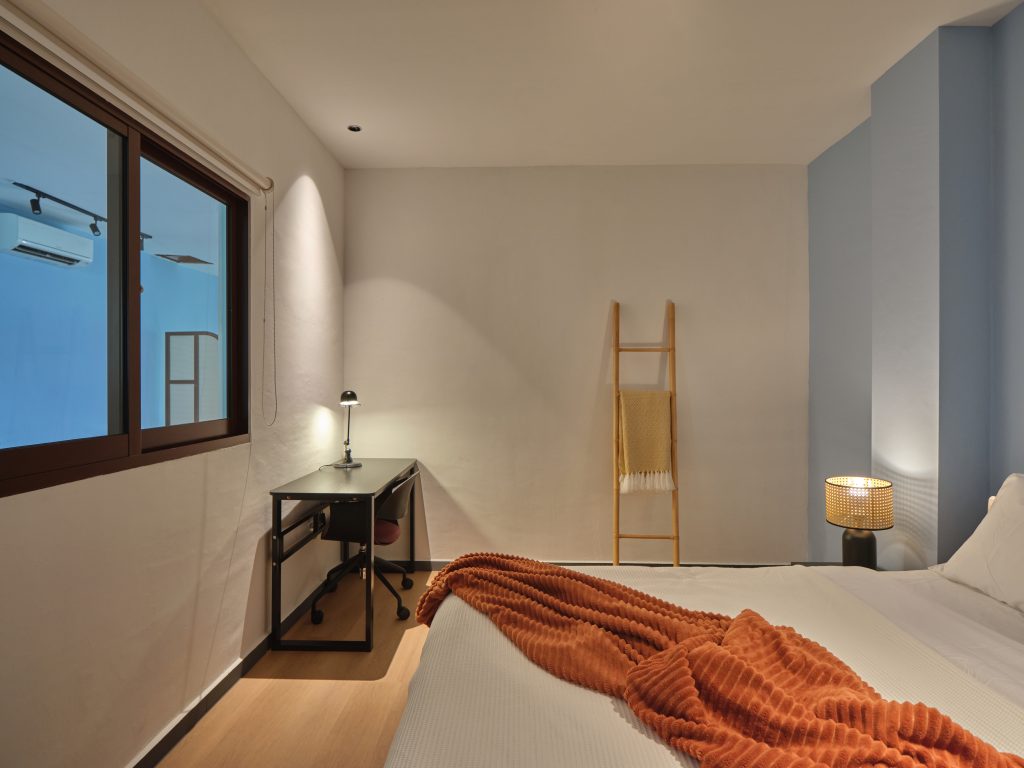
A room rental is a private arrangement: you rent a master or common room in someone’s flat, usually sign a tenancy of at least three months (six for HDB rooms), and handle your own furniture, bills and flatmate dynamics. Co-living is a managed product: a furnished room in a professionally run house, with shared spaces, utilities and services bundled into one monthly fee.
| Factor | Renting a room | Co-living |
|---|---|---|
| Furniture | Often your responsibility | Fully furnished |
| Bills & Wi-Fi | Usually separate | Bundled in one fee |
| Cleaning | You arrange it | Shared areas cleaned |
| Community | Depends on flatmates | Designed-in events |
| Setup effort | Higher | Move-in ready |
Costs: what’s bundled and what’s extra
A room rental can look cheaper on the headline rent, but add furniture, electricity, Wi-Fi and your share of cleaning and the gap narrows. Co-living folds those into a single predictable payment, which makes budgeting simpler, especially for newcomers. If a fixed all-in figure appeals, compare all-inclusive co-living against a furnished room plus estimated bills.
Flexibility and minimum stays
Both follow Singapore’s rules: private residential tenancies, including most co-living rooms, run for a minimum of three consecutive months, while HDB room rentals require six. Co-living operators often offer cleaner month-to-month renewals after the initial term, whereas private room leases can be more rigid. For genuinely short needs, a licensed serviced option is the compliant route.
Community and lifestyle
This is where co-living stands apart. Shared lounges, courtyards and resident events make it easier to build a network quickly, which is why it suits relocating professionals. A room rental is quieter and more independent, but your social life depends entirely on who you live with. Figment’s boutique co-living houses are set in restored heritage shophouses, blending privacy with genuine community.
Which is right for you?
- Choose a room rental if you already own furniture, want maximum independence, and have time to manage bills and flatmates.
- Choose co-living if you value convenience, predictable costs and built-in community.
- Still comparing formats? See co-living vs serviced apartments and co-living vs hostels.
Frequently asked questions
Is co-living more expensive than renting a room?
Not always. The headline rent on a room can be lower, but once furniture, utilities and Wi-Fi are added, an all-inclusive co-living fee is often comparable and easier to budget.
What’s the minimum stay for co-living in Singapore?
Most co-living rooms in private residential buildings follow the three-month minimum tenancy. Some houses offer flexible renewals after that.
Do I need to furnish a co-living room?
No. Co-living rooms come furnished, which is one of the main reasons people choose them over a bare room rental.
Similar Posts

Coliving Near Every MRT Station in Singapore | Figment
Figment runs boutique coliving houses in eight conserved-shophouse neighbourhoods across Singapore, and every one is a walk from at least one MRT station. Rather than a separate page for every nearby station, here is the full picture in one place: which neighbourhood, which station, which house, and what living there is actually like. Tanjong Pagar […]
Is Airbnb Legal in Singapore? The Rules, Penalties and Legal Alternatives
Airbnb-style short stays under three months are not allowed in Singapore homes. Here are the rules, the penalties for hosts, and the legal ways to book a short stay.
Co-Living in Singapore for Couples: What to Know Before You Move In
Can couples do co-living in Singapore? How shared homes work for two, what to check on room types and house rules, and how it compares to renting a flat.

Comments