


Coliving vs Renting Your Own Apartment in Singapore: How to Choose
Two of the most popular ways to live in Singapore pull in different directions. Renting your own apartment gives you space and privacy; coliving trades some of that for flexibility, community and a far lighter setup. Here is how to decide which fits your stay.
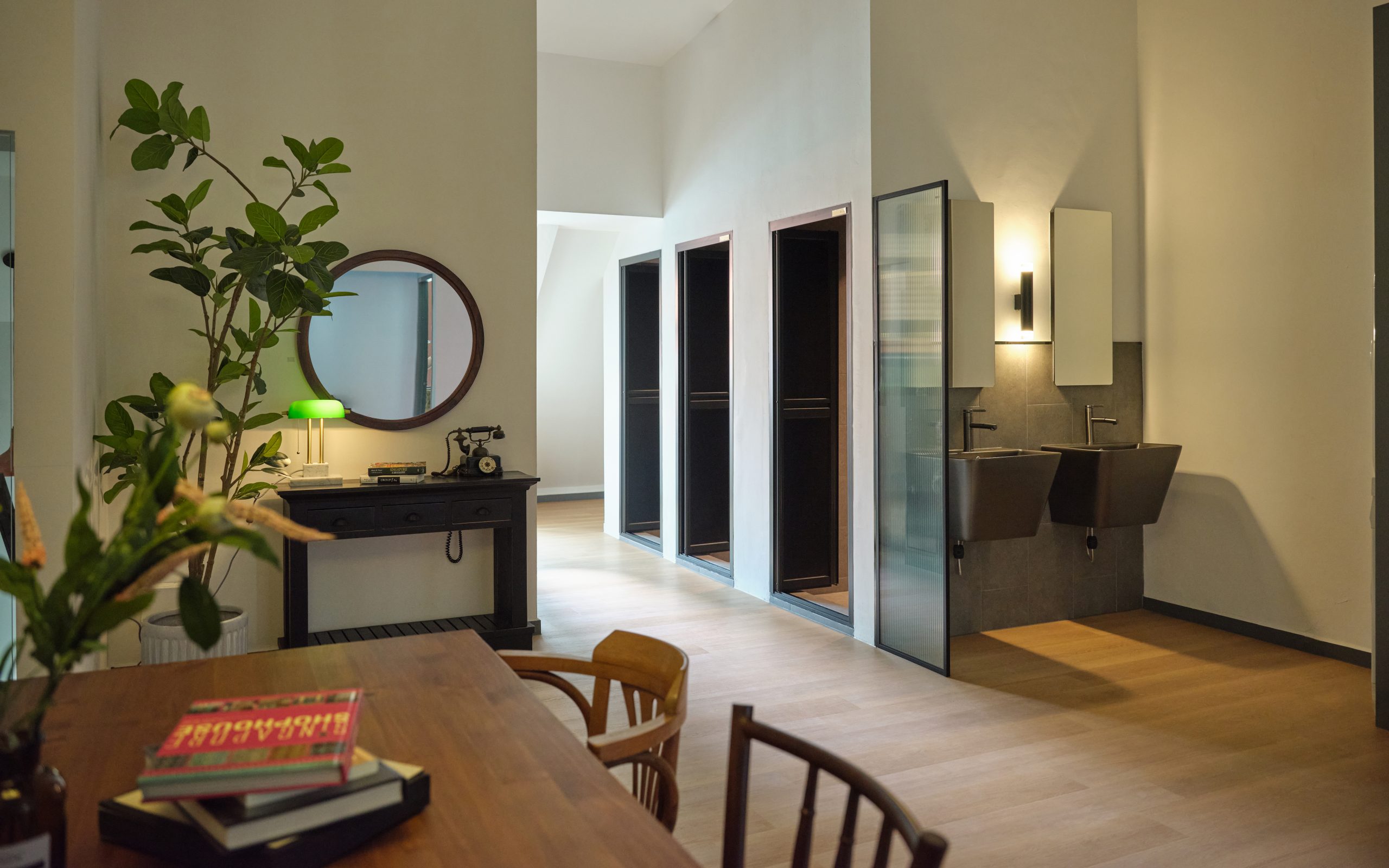
The quick comparison
| Factor | Coliving | Your own apartment |
|---|---|---|
| Lease length | Flexible, often month-to-month after a minimum term | Usually 12–24 months |
| Setup | Move-in ready and furnished | Often unfurnished; you furnish it |
| Bills & wifi | Bundled into one payment | Arranged and paid separately |
| Community | Shared spaces and events | Mostly private |
| Upfront cost | Lower deposit | Larger deposit plus furnishing |
| Privacy | Private room, shared common areas | Entire unit to yourself |
When coliving makes sense
Coliving suits people who value flexibility and a soft landing: new arrivals, professionals between homes, or anyone who would rather not sign a two-year lease or buy furniture. A private room in a thoughtfully run shophouse, with cleaning, wifi and utilities handled, removes most of the friction of moving. See what this looks like across our coliving homes and spaces for professionals.
When your own apartment makes sense
If you are staying long term, moving with family, or simply want full control of your space, a standard apartment lease is hard to beat. You choose the layout, decorate freely and answer to no housemates. Remember the three-month minimum lease for private homes still applies. Browse house rentals or the wider rentals across Singapore.
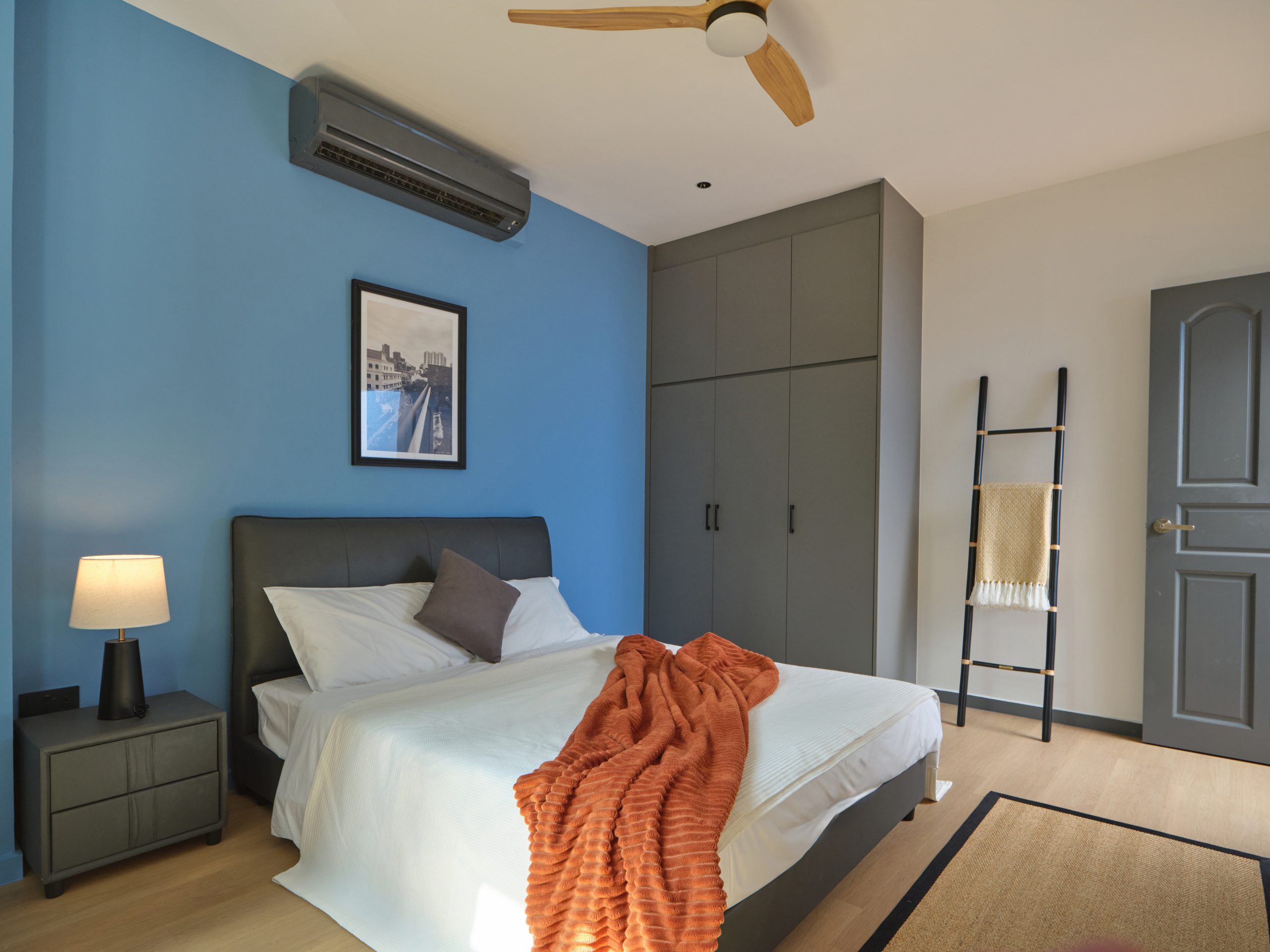
Cost beyond the headline rent
Comparing only monthly rent can mislead. An apartment usually adds furniture, internet setup, utility deposits and a larger security deposit, while coliving folds most of these into one figure. Over a short or uncertain stay, the all-in coliving number often wins; over several years, a private lease can pull ahead.
A middle path
If you need privacy but not a long commitment, a serviced-apartment-approved home can bridge the gap — our one-month rentals offer hotel-style flexibility within the rules. For heritage character with room to breathe, the shophouse rentals are worth a look.
Five questions to help you decide
- How long am I staying? Under a year tilts toward coliving; multi-year tilts toward a private lease.
- Do I want furniture and bills handled, or full control of the home?
- How much do I value privacy versus built-in community?
- What can I commit upfront — a larger deposit, or a lighter one?
- Are my plans likely to change? Flexibility favours coliving or a serviced-apartment stay.
If you are still unsure, start flexible. A short-term rental or a coliving room lets you settle in and learn the city before committing to a long lease.
Frequently asked questions
Is coliving cheaper than renting an apartment?
It depends on stay length. Coliving’s bundled costs usually win for shorter or uncertain stays; a private lease can be more economical over several years.
Can I get my own bathroom in coliving?
Many Figment rooms offer en-suite options. Check individual house listings for room-by-room details.
Do I have to commit long term with coliving?
No. Most Figment coliving stays run month-to-month after a short minimum term, which is much of the appeal compared with a one or two-year apartment lease.
Similar Posts

Coliving Near Every MRT Station in Singapore | Figment
Figment runs boutique coliving houses in eight conserved-shophouse neighbourhoods across Singapore, and every one is a walk from at least one MRT station. Rather than a separate page for every nearby station, here is the full picture in one place: which neighbourhood, which station, which house, and what living there is actually like. Tanjong Pagar […]
Is Airbnb Legal in Singapore? The Rules, Penalties and Legal Alternatives
Airbnb-style short stays under three months are not allowed in Singapore homes. Here are the rules, the penalties for hosts, and the legal ways to book a short stay.
Co-Living in Singapore for Couples: What to Know Before You Move In
Can couples do co-living in Singapore? How shared homes work for two, what to check on room types and house rules, and how it compares to renting a flat.

Comments