
Geylang: A Lived-In Neighbourhood for Boutique Coliving in Singapore
Geylang is not a neighbourhood that performs for visitors. It lives for its residents.
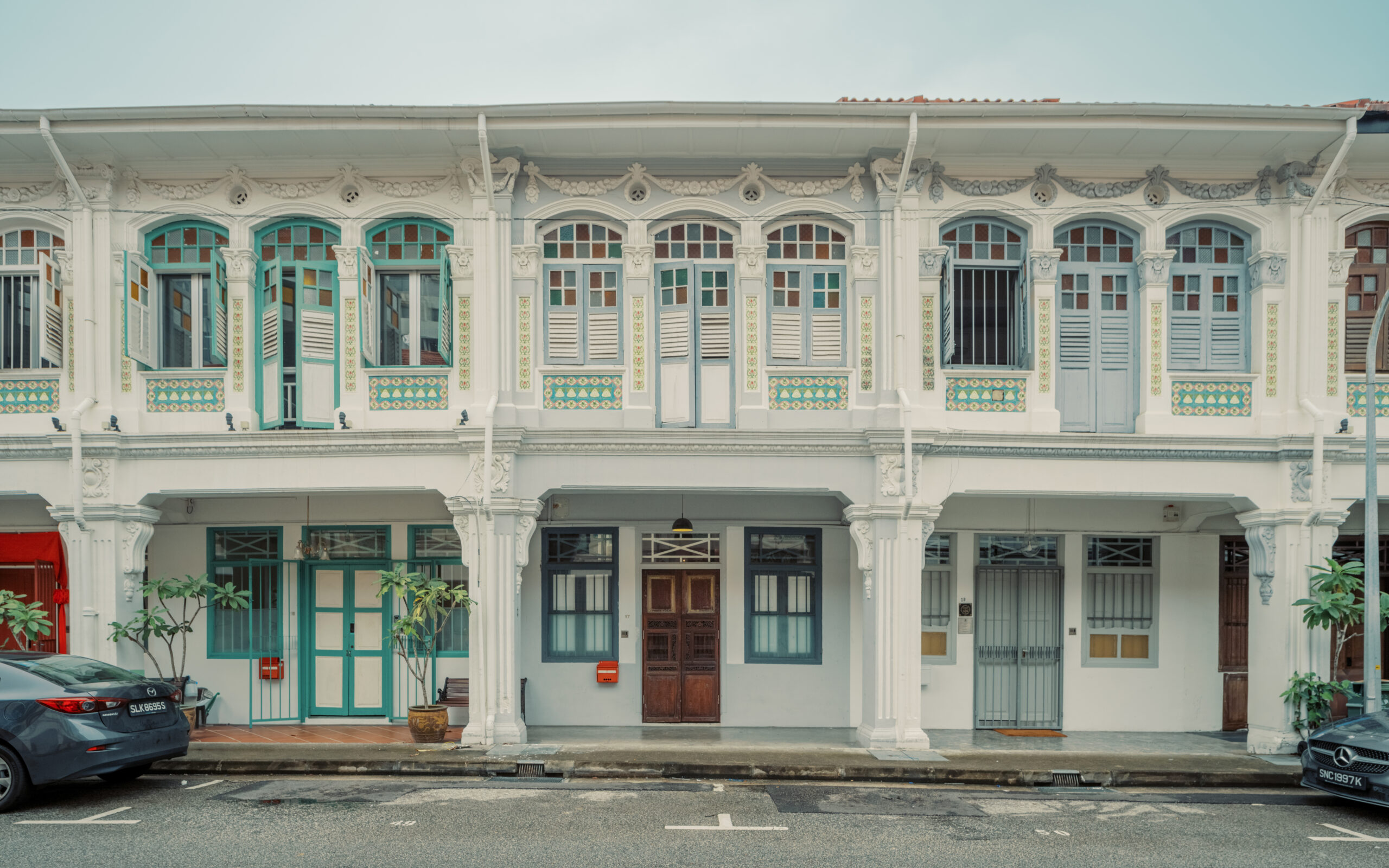
Layered, unpolished, and deeply local, Geylang represents a side of Singapore that resists sanitisation. Pre-war shophouses sit beside family-run eateries, quiet temples, and long stretches of lived-in streets. It is here – within this everyday urban texture – that Figment has chosen to restore and reimagine heritage homes for a new generation of residents.
This is Singapore coliving for those who value authenticity over aesthetics alone, and culture over convenience theatre.
Ready to live different with figment?
Join the 4000+ working professionals Figment has hosted over the past 34 years
The Cultural Fabric of Geylang
Historically, Geylang has been a working neighbourhood – home to traders, artisans, and families who shaped its rhythms long before it became a subject of commentary. Designers originally built Geylang’s shophouses to unite living and working, and that legacy continues to shape the neighbourhood today..
Unlike curated heritage districts, Geylang remains unapologetically real. Food culture spills onto the streets, neighbours know each other by name, and life unfolds without pretense. This is precisely what makes it compelling for heritage stays that aim to preserve lived culture, not just architectural form.
Figment’s approach in Geylang begins with respect – for the buildings, for the neighbourhood, and for the stories embedded in both.
Reimagining Shophouse Living with Care
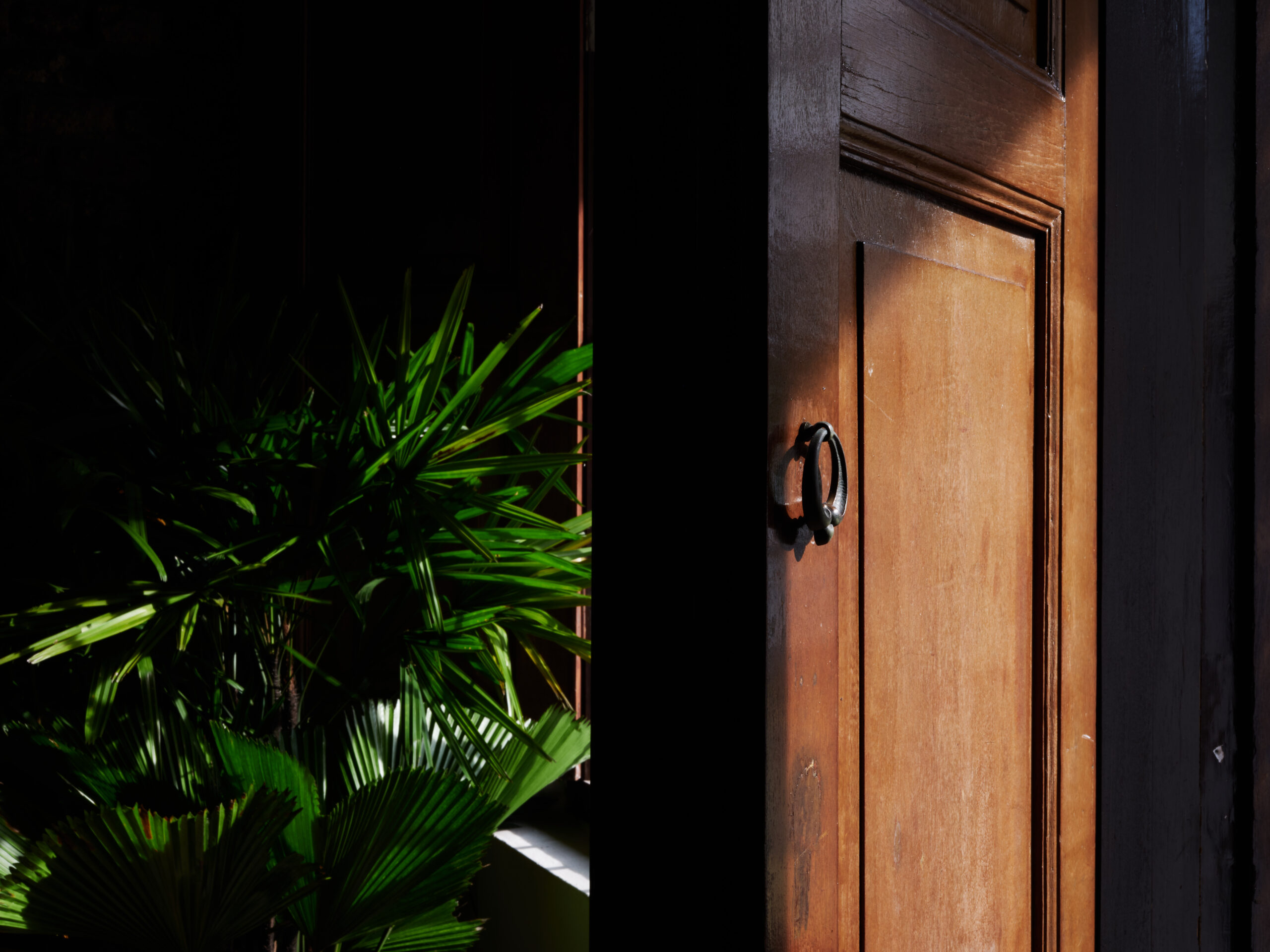
Each Figment home in Geylang is treated as a total work of art. Restoration is not about polishing away age, but about retaining character while introducing contemporary comfort.
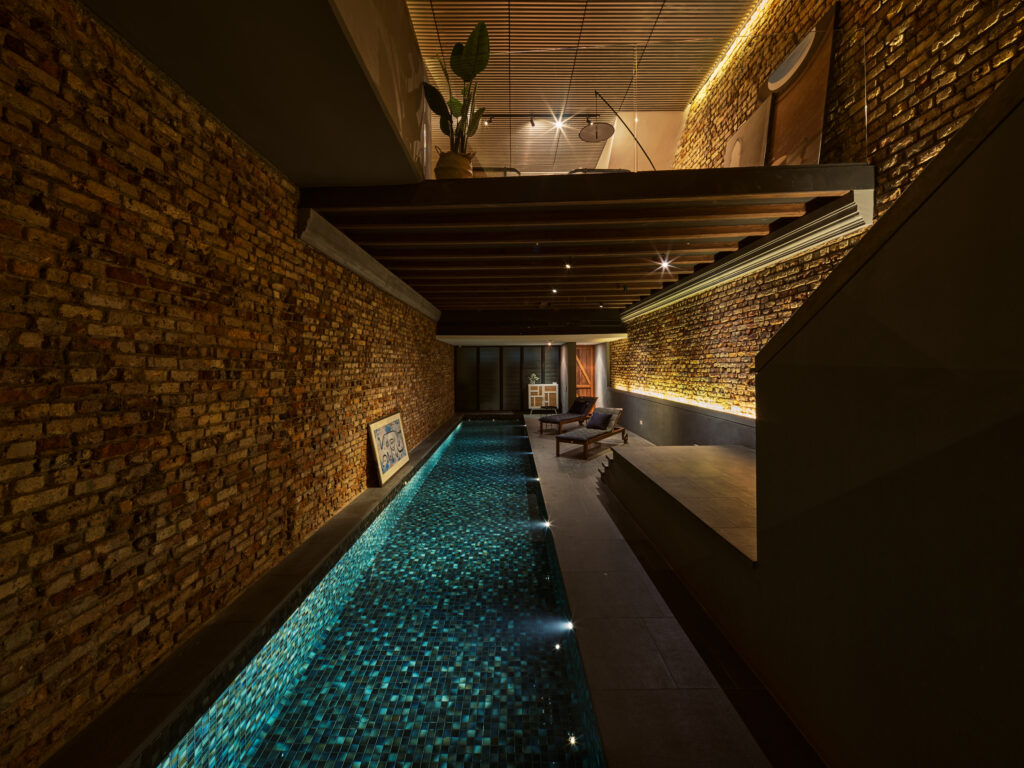
Figment preserves original architectural elements—timber structures, ventilation details, and spatial proportions—wherever possible, pairing them with modern interventions such as fast Wi-Fi, thoughtfully planned communal kitchens, and seamlessly integrated laundry spaces.
Interiors are curated in collaboration with local creatives.
Figment selects furniture for longevity rather than trend, and sources everyday objects—ceramic mugs, wooden fixtures, and soft furnishings—from local materials and makers. The result is a form of boutique coliving that feels intentional, not staged.
A Neighbourhood for Long Stays and Short Term Rentals
Geylang’s appeal lies in its balance. It offers excellent connectivity to the city while remaining grounded in neighbourhood life. For residents seeking short term rentals that go beyond functional accommodation, Geylang provides a sense of place that is rare in central Singapore.
Living here means morning walks past provision shops, late dinners at hawker institutions, and evenings spent in homes that feel lived-in rather than temporary.
The neighbourhood suits creatives, founders, and professionals who value immersion over isolation.
Figment designs its homes to support both flexibility and belonging, making them equally suited to extended stays and thoughtfully considered short-term living.
Design That Serves Daily Life
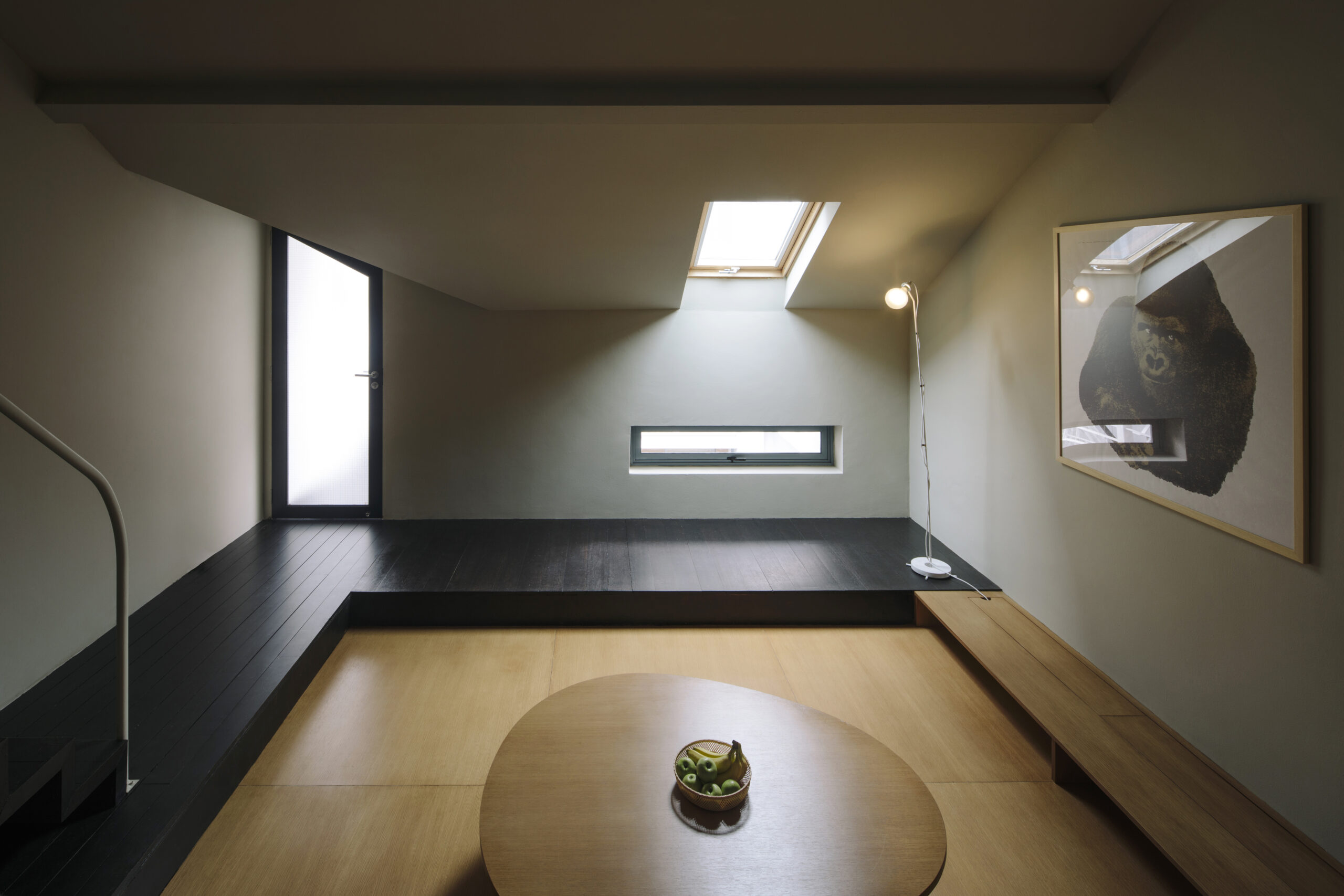
While Figment’s design language is refined, it is never decorative for its own sake. In Geylang, this means prioritising function without sacrificing atmosphere.
Figment proportions rooms for comfort, designs shared spaces to encourage interaction without forcing it, and treats light with care so interiors shift in tone throughout the day. Its photography reflects the same philosophy—analog-inspired, moody, and intimate—capturing the quiet poetry of daily life rather than polished perfection.
This approach aligns with Figment’s broader vision: creating homes that residents inhabit fully, not spaces they simply pass through.
Geylang as a Way of Living
Choosing to live in Geylang reflects a deliberate decision—one made by those who understand that culture is lived, not curated.
Through its heritage stays and Singapore coliving homes in Geylang, Figment offers a way to engage with the city that feels grounded and human.
Figment shapes these homes through history, art, and contemporary needs, bringing them together through careful restoration and local collaboration.
In a city often defined by efficiency and speed, Geylang offers something quieter and more enduring. Figment’s role is not to redefine the neighbourhood, but to listen to it—and build homes that belong within it.
Similar Posts
Wandering Through Joo Chiat, from the Steps of Still House
A quiet home on Koon Seng Road, Still House places you within the layered rhythms of Joo Chiat – where heritage, culture, and everyday life intertwine.
The Quiet Heritage Homes in Singapore
Amid Singapore’s vertical skyline, heritage homes stand as intimate counterpoints – rich with craft, history, and emotion – inviting residents to experience the city with greater depth and slowness.
Our Jalan Besar: Craft, Community, Coffee & more
Thoughts on Jalan Besar from its residents and enthusiasts.

Comments