


Wandering Through Joo Chiat, from the Steps of Still House
To live here – especially at Still House – is to find rhythm in layers. Between heritage and reinvention. Between culture and comfort. Between tradition and what comes next.
A Slow Encounter with Singapore’s Most Storied, Colour-Soaked Enclave
Tucked along the iconic Koon Seng Road, Still House sits quietly within one of Singapore’s most visually arresting neighbourhoods – Joo Chiat. It doesn’t clamor for attention. Instead, it draws you in – past pastel-painted shophouses, through the scent of kopi drifting from a corner stall, into ateliers hidden behind unmarked doors.
Before its charm became Instagram fodder or the weekend go-to for urban explorers, Joo Chiat thrived in the in-between: shaped by Peranakan culture, migrant histories, and an enduring spirit of craft. Today, it speaks to those who appreciate the unpolished, the poetic, the slow.
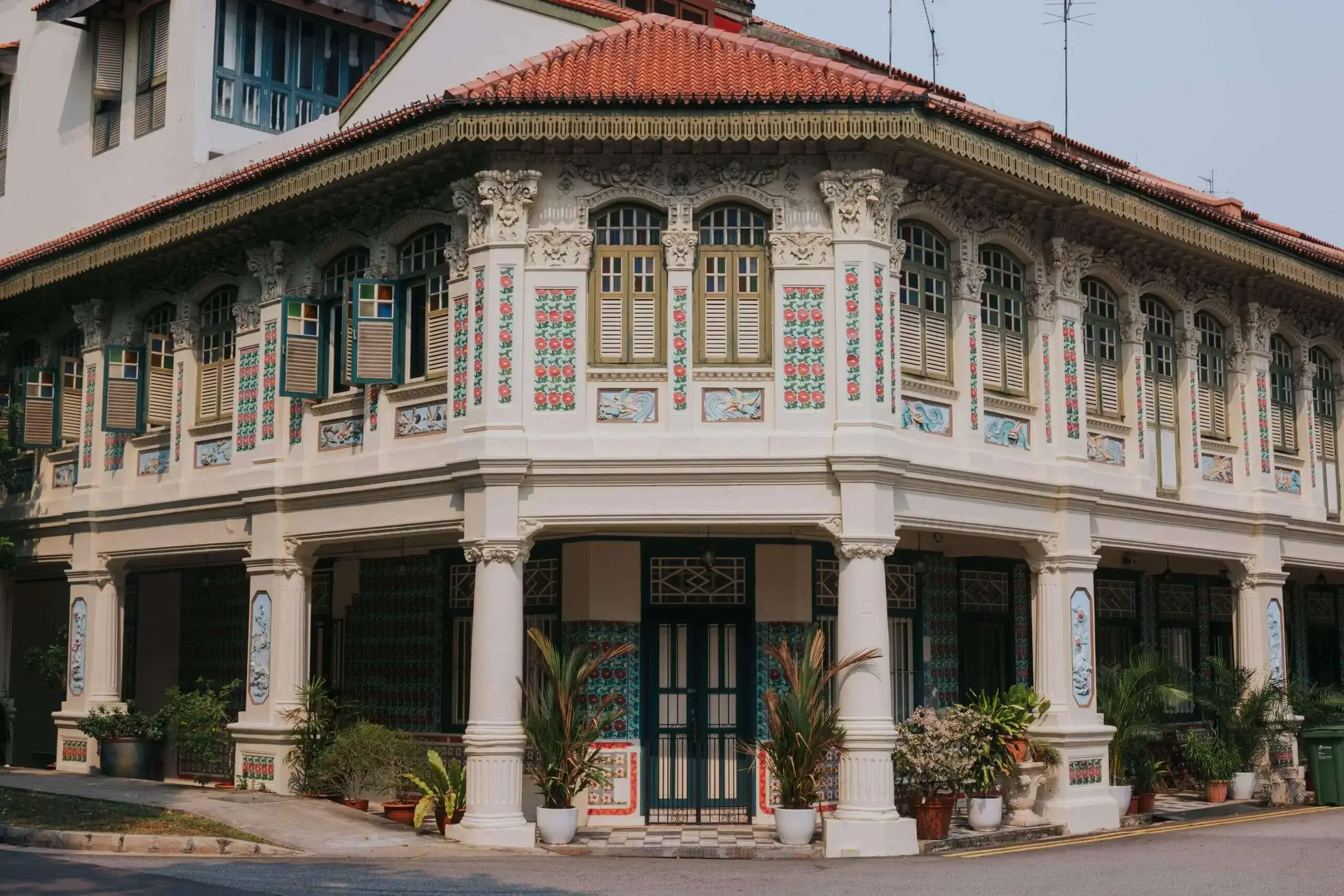
A Living Heritage, Seen at Street Level
From your front door at Still House, the view is almost cinematic. Koon Seng Road’s famously colourful shophouses stretch in either direction – turquoise, ochre, blush, jade – like a brushstroke through time.
But the beauty here goes beyond surface. Look closer and you’ll see it in the timber shutters, the floral-motif tiles, the time-softened edges of buildings that have held generations. This is architecture with a heartbeat – one that still hums quietly through the neighbourhood.
Here, culture isn’t behind glass. It spills out onto sidewalks. It lives in the old tailor’s open-door shop. In incense curling from a roadside shrine. In a grandmother tending orchids from her second-storey balcony.
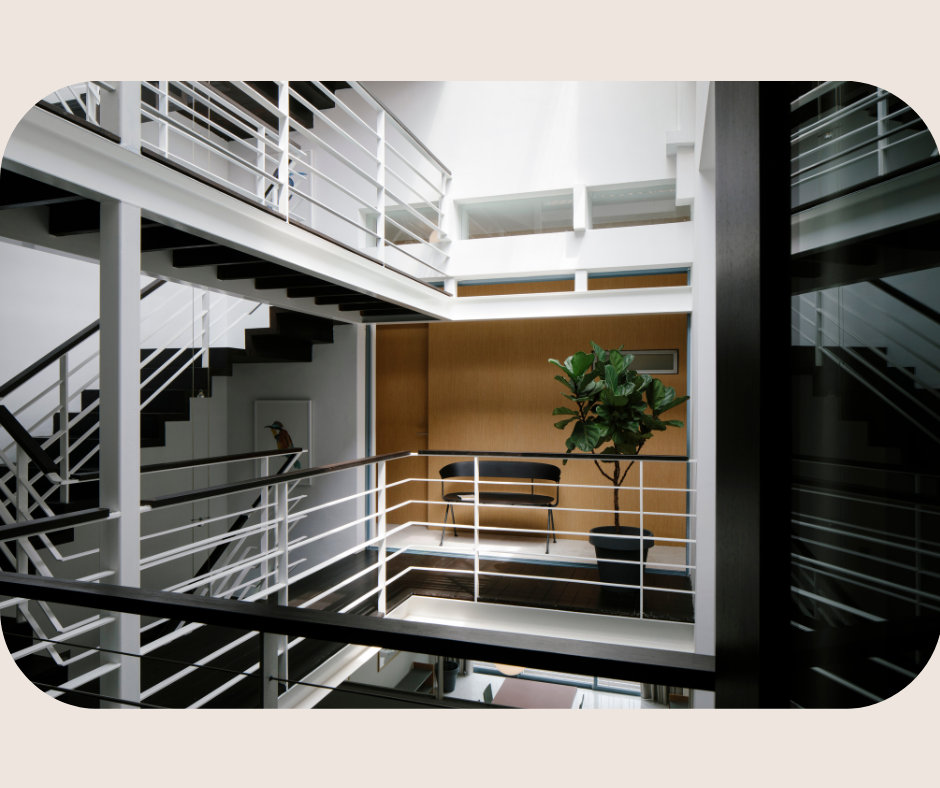
Flavours that Tell Family Stories
In Joo Chiat, food is storytelling in edible form.
At Kim Choo Kueh Chang, rice dumplings are still hand-folded with the same reverence they’ve received for over 50 years – fragrant, comforting, quietly perfect. A bowl of Fei Fei Wanton Mee tastes like a family recipe passed down in whispers. And no culinary rite of passage in the East is complete without the spicy, coconut-laced broth of 328 Katong Laksa.
But this isn’t a neighbourhood stuck in nostalgia.
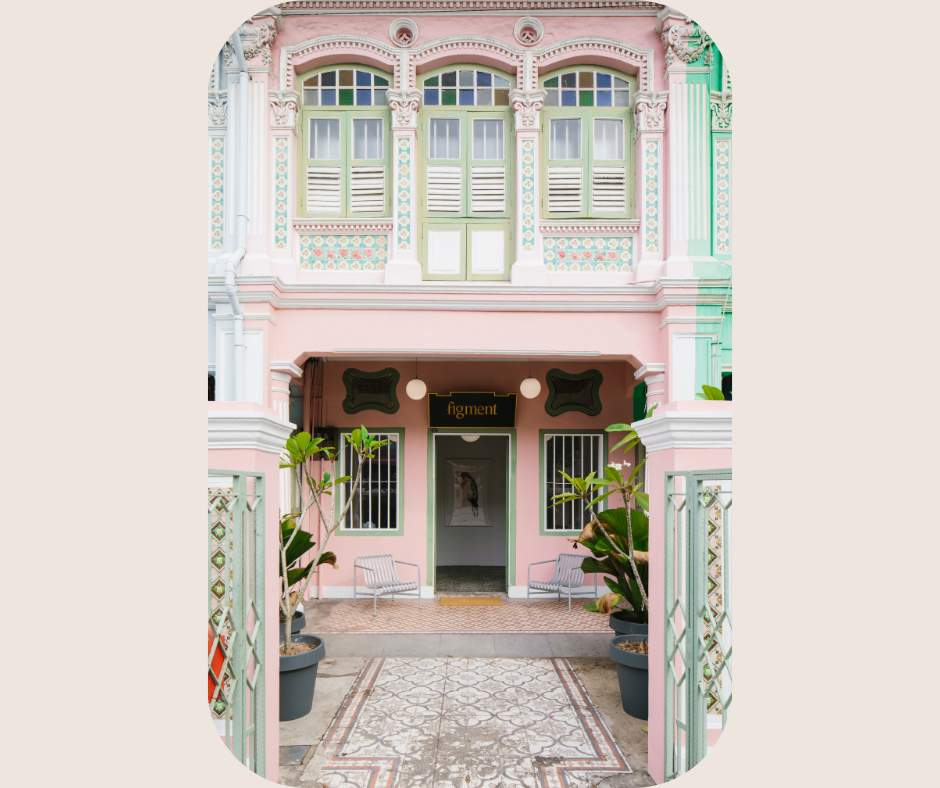
Craft, Culture, and the Creative Fringe
Joo Chiat has a way of revealing itself slowly. The more time you spend here, the more it gives. You’ll stumble upon The Intan, a Peranakan home museum where heirlooms carry the warmth of fingerprints and family. You’ll see boutique yoga studios next to hardware shops, mural-covered walls down alleyways, and a patchwork of old and new that doesn’t need to make sense to feel right.
This neighbourhood thrives on contrast – old stories beside fresh voices, rituals that evolve without erasing their roots.
A Neighbourhood Made for Walking
Joo Chiat is best experienced on foot. From Still House, each walk becomes a gentle ritual. In the morning, pandan-scented air drifts from traditional bakeries. By noon, patterned shadows stretch across the tiled sidewalks. In the evenings, conversations float from kopitiams and hidden wine bars, weaving through the soft-lit streets.
This place teaches you how to walk slower, look longer, live more attentively. It’s a mindset that fits perfectly with Figment’s coliving philosophy – living with intention, grounded in place, and open to the serendipity of daily life.
Why Figment Chose Still House in Joo Chiat
Still House isn’t just a residence – it’s an invitation. Still House doesn’t sit apart from the neighbourhood—it lives in harmony with everything Joo Chiat stands for: thoughtful design, cultural richness, and a lifestyle that feels both rooted and expansive.
The street outside is full of colour. The community is full of character. And the house itself is a quiet sanctuary, designed for people who see home as more than just where they sleep – it’s where they belong.
In Joo Chiat, at Still House, you’re not just leasing a space. You’re stepping into a neighbourhood that welcomes you – wholeheartedly, generously – as one of its own.
Similar Posts

Inside Figment Homes: Artisan-Crafted Home Design and Imperfect Beauty
Handcrafted materials, gentle imperfections, and local makers give Figment homes their soul – spaces designed to be lived in, worn into, and felt over time.
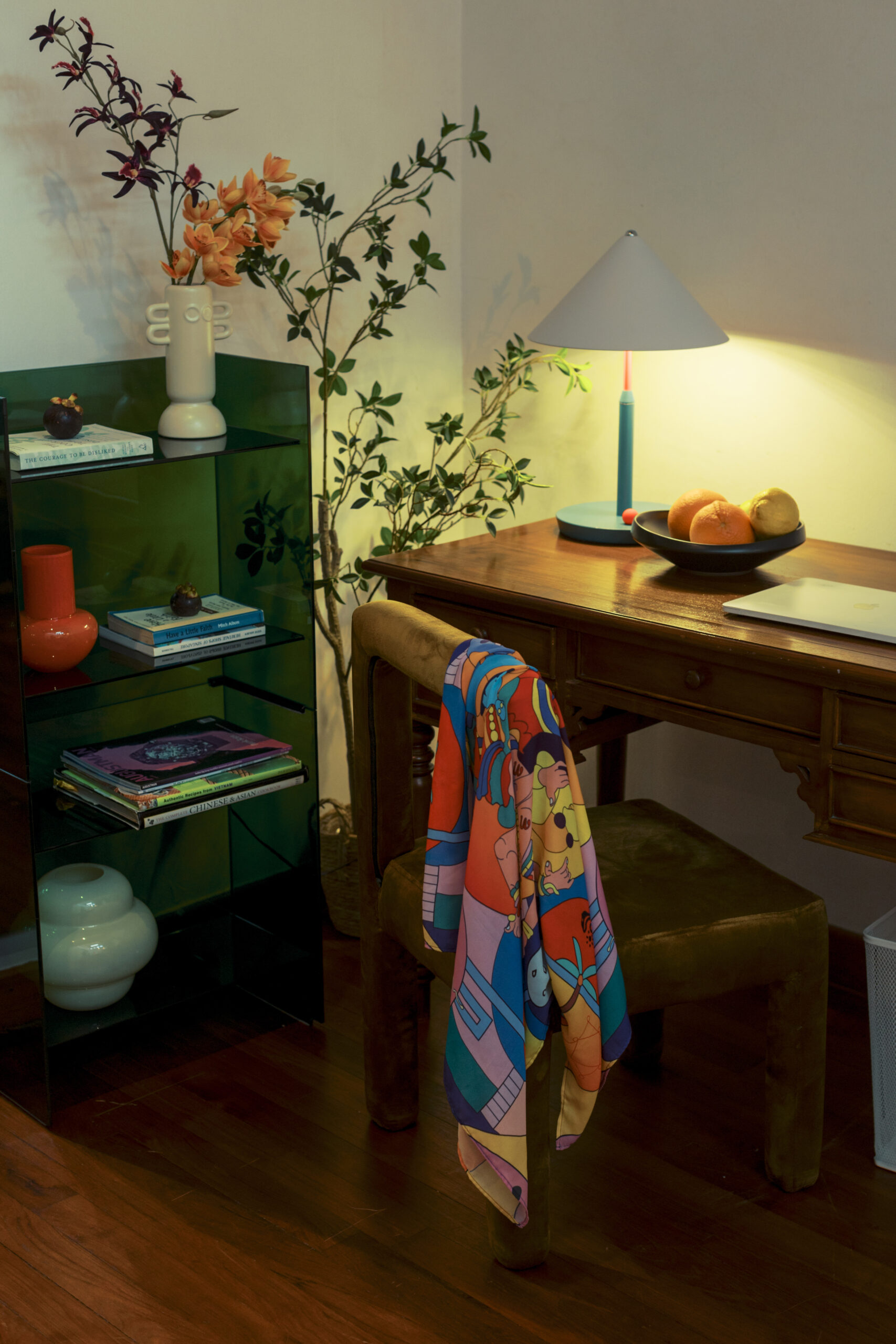
The Living Heritage of Singapore Shophouses: A Modern Interpretation
In Singapore’s shophouses, expats find more than beauty – they find belonging, history, and a home with soul.

Belong Everywhere with Figment
In this increasingly globalised world, we constantly ask our location-independent selves the question of where we should live.

Comments