
Inside Figment Homes: Artisan-Crafted Home Design and Imperfect Beauty
A scratch becomes part of the story. A softened edge becomes a sign of use rather than damage.
Step into a Figment home and something feels different, even if you can’t name it straight away. It’s in the way a ceramic cup sits in your palm with a certain weight, the way a rattan chair creaks softly when you lean back. Nothing is overly polished, nothing feels staged.
In a city where so much is manufactured to look flawless and new, these homes feel grounded because they’re shaped by people not machines. The uneven edges and gentle imperfections aren’t mistakes; they’re evidence that someone cared enough to make something by hand. Over time, that presence becomes more obvious. You start to notice how much of your home is, quite literally, the work of artisans.
Ready to live different with figment?
Join the 4000+ working professionals Figment has hosted over the past 34 years
Why craft still matters
We’ve all lived in spaces that looked perfect in photos but felt strangely hollow in person. Everything lined up, nothing out of place and yet nothing with any real character. Part of the reason Figment homes feel different is because they don’t chase that kind of perfection. They allow for nuance, for age, for the small traces of life.
There’s also a sense of locality built into craft. Using rattan, timber, ceramics, and textiles made here, or by people who live and work here, ties the home to its setting. And as these pieces age, they don’t deteriorate; they develop. A scratch becomes part of the story. A softened edge becomes a sign of use rather than damage.
The materials that shape our spaces
If you look closely, you’ll notice that Figment homes are built around a restrained but intentional material palette.
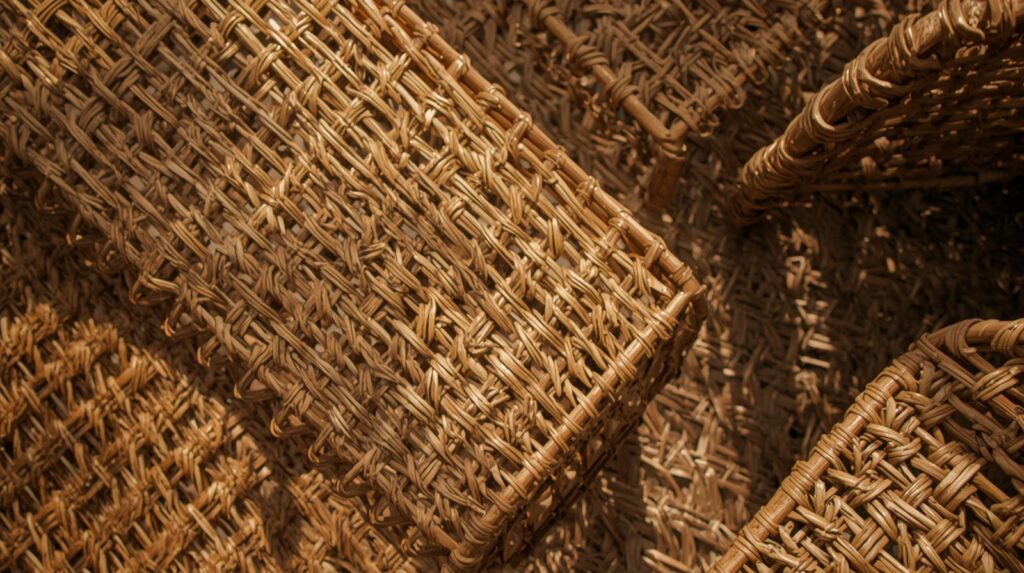
Rattan is one of the most distinctive. It’s a material that has been part of Southeast Asian life for generations, and it still holds its own in a modern interior. The weave lets light through, creating faint shadows on the floor and walls. The frames bend instead of breaking. Even the small irregularities in the pattern give it a human warmth you don’t get from machine-made alternatives. You’ll spot it in cabinets, headboards, dividers, lampshades, practical pieces that also double as quiet sculptures.
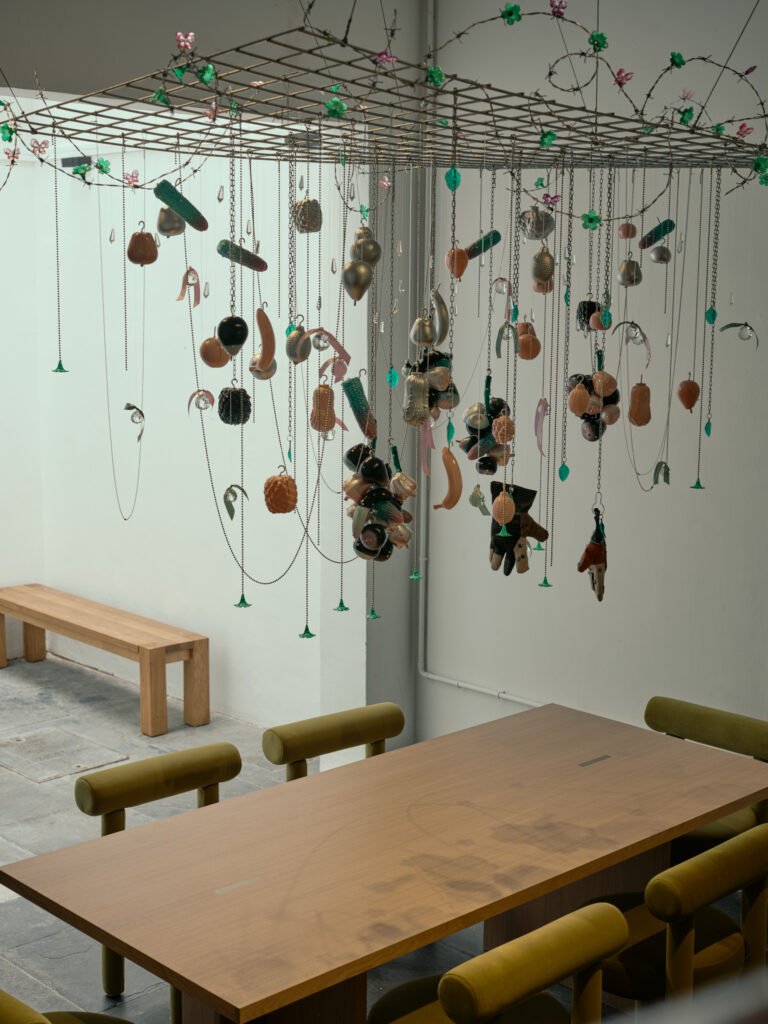
Then there’s timber. Not the high-gloss, hyper-varnished kind, but wood that shows its grain and history. Reclaimed planks, original beams left exposed, solid oak or teak that has enough heft to feel reassuring. Ceramics appear in many homes, often from small studios or nearby potters. No two pieces are identical, which is precisely the point. A mug might be slightly taller than its neighbor; a bowl might lean a fraction to one side. Someone once told us that drinking coffee from a handmade cup felt like the morning was personally saying hello. That’s the kind of intimacy these pieces bring. Textiles soften the architecture. Hand-loomed throws, natural-fibre cushions, rugs with just a hint of irregularity; threads that don’t quite line up, corners that aren’t laser-straight. Some reference Southeast Asian motifs, others stay neutral, but almost all share a tactility that makes you want to sit, stay, and sink in.
The makers behind the materials
What gives these spaces their emotional weight isn’t just what they’re made of, but who made them. Many of the artisans we work with have been at their craft for years; some are continuing a family practice, others are preserving traditions that might otherwise disappear quietly.
In Duxton Hill, a Japanese ceramicist runs a modest gallery-store a short walk from one of our homes. The cups, bowls, and vases in that house were thrown in his studio, one by one. Her pieces function like paintings, but also like objects that could, in another life, have been worn, wrapped, or used.
Near Jalan Besar, a small workshop continues the tradition of rattan weaving. There’s nothing flashy about the space: stacks of raw material, tools that have clearly seen years of use, people who work with a rhythm born of long familiarity. And then there are the designers we collaborate with, who understand how to let craft sit comfortably within a strong architectural idea. They don’t treat handmade pieces as accessories; they build them into the bones of the project.
A lot of what we do is shaped, consciously or not, by the Japanese idea of wabi-sabi: finding beauty in things that are incomplete, worn, or slightly off. You see it instinctively in Singapore’s shophouses. They’re not pristine. They’ve housed different lives, different uses, different eras. Instead of erasing that history, we allow traces of it to show.
There’s no master checklist that dictates which material goes into which home. The process is more like getting to know a person. Each shophouse has a distinct temperament: some feel naturally dramatic, others hushed, others playful. We start there. What kind of craft would complement that character rather than compete with it?
The neighborhood matters too. A place in Joo Chiat might lean into Peranakan patterns or bolder hues, because the area itself has that energy. A home in Tiong Bahru might call for simpler forms, quieter tones, a nod to its modernist lines. Our partner designers bring their own interpretations, often commissioning pieces from artisans they’ve followed and respected for years.
And then we think about how someone will actually live there. Nothing is chosen to be placed behind glass or kept “for best.” A rattan chair is meant to be sat in every day. A cup is meant to be chipped slightly over time. A rug is meant to show the path people take through their own routines.
Why handcrafted spaces resonate – especially for expats
Many of the people who move into Figment homes arrive in Singapore for work, often on tight timelines, with lives that feel in motion. They don’t necessarily expect their home here to feel deeply personal; it’s sometimes framed as a stopgap, a chapter rather than a whole book. Yet time and again, they tell us that a room with pieces made by local hands doesn’t feel anonymous. It gives them something to hold onto in a new city – an emotional anchor, even if the rest of life is still rearranging itself.
If you walked through a Figment home without knowing any of this, you might simply think, ‘This feels good’. But underneath that feeling is a web of makers, materials, and history that all point toward the same idea: homes should feel alive, and it’s a human quality, not a manufactured one.
Similar Posts
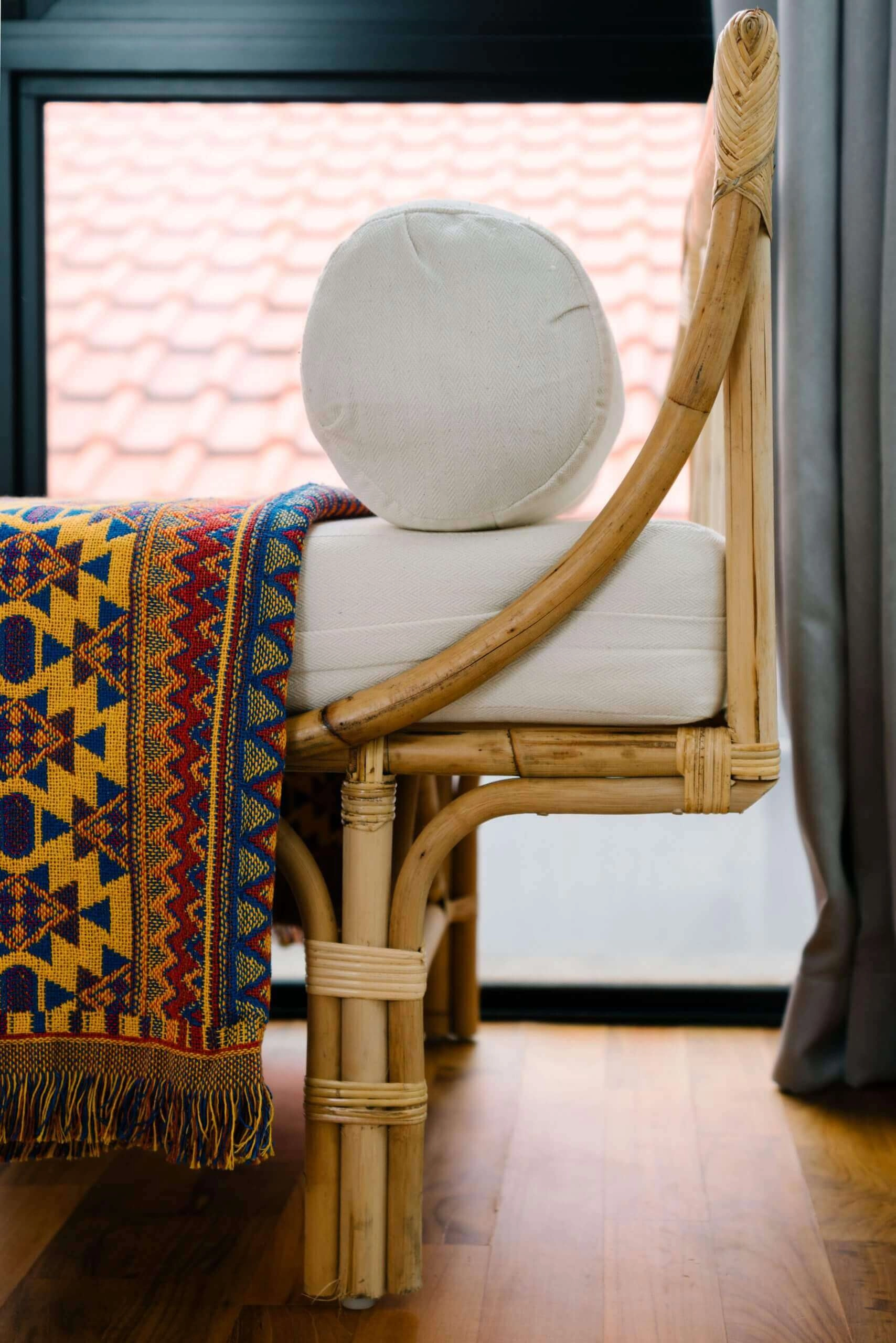
Rattan Made New—Part I
Our characterful homes are designed and inspired by our community of homegrown creatives, and you’ll find some of our conversations and musings here on the Figment Journal. Perhaps there’ll be a lesson or idea to bring into your own home!
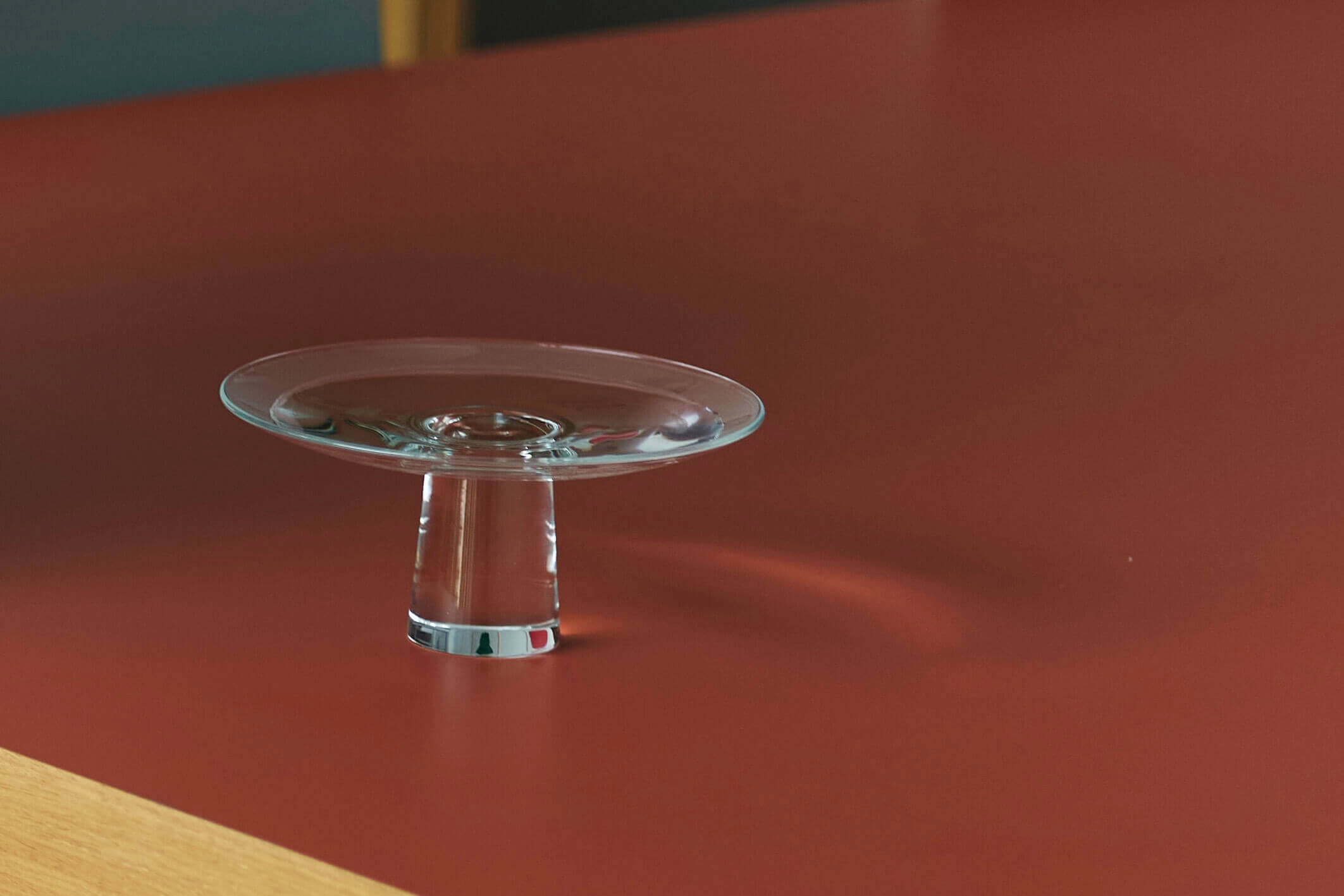
How Artisan wares from rural Japan landed in a Duxton Hill Shophouse
From coffee mugs to sake ware, every item inside Yusuke Shibata’s Duxton Hill gallery-store is an exquisite masterpiece.
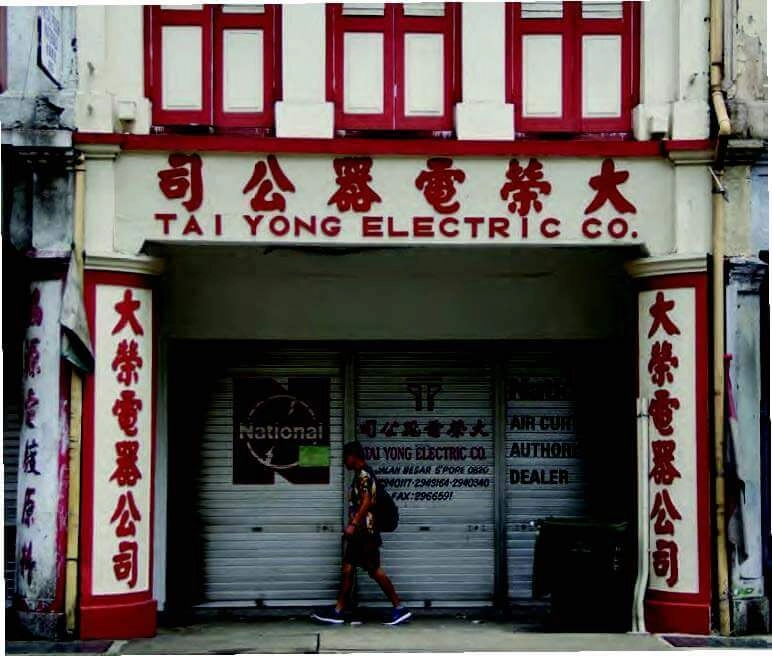
Sign Language: Singapore’s Graphic Vernacular in Jalan Besar
Design researcher Vikas Kailankaje retraces Singapore’s industrial past through the traditional shop signs that still line the footways of the Jalan Besar area.

Comments