

A Local’s Guide To Short Term Accommodation in Singapore – 2026
5 mins
For a longer landing in the city, Figment’s latest shophouse, Wah Leong House in Jalan Besar, has fully furnished heritage studios from S$2,300/month on a 3-month minimum stay — utilities, Wi-Fi and weekly cleaning included.
If you are intending to move, live and work in Singapore for at least a few months, it is likely that you would want to put up at a more permanent address than a hotel. In highly developed Singapore, while one may find a variety of rental accommodation available, there are also certain legal restrictions to take note of. In this guide you will learn what those legal restrictions are, what short term accommodations are available, and tips on how to choose a place to live that is best suited to your personal preferences.
In 2026, short-term accommodation in Singapore remains highly regulated, particularly for residential properties. As rental demand stays strong and housing supply remains tight, understanding what is legally permitted – and what alternatives exist – is essential for anyone planning a temporary stay in the city.
1. Short term stays in Singapore
In Singapore, the general rule of thumb is that your accommodation options become greater when your rental period reaches at least three months and greater yet when it reaches or exceeds a year. This is because when it comes to renting in Singapore, the law requires a minimum period in which renters occupy their accommodation, known as the minimum rental period.
For detailed listings of short term stays with Figment, browse our short-term rental listings in Singapore.
Minimum rental period
For private properties, such as condominiums and landed houses, the minimum rental period is three consecutive months. For public housing, which are known HDB flats, the minimum rental period is six months. These requirements are in place mainly to protect the interests of long-term residents who live in the same building or estate, so that their quality of life is not compromised by the disruptive coming-and-going of short term visitors.
Available Accommodation
As a global city, Singapore hosts a whole gamut of accommodation options. In addition to residential homes, you can find hostels to hotels, serviced apartments to coliving services – one is certainly spoilt for choice. Singapore is anomalous in one respect, however.
In Singapore, short-term stays in private residential properties for periods of less than three months do not comply with current regulations. While platforms such as Airbnb operate globally, listings offering short-term stays in residential homes in Singapore may not meet local regulatory requirements.
This is because the core idea that has made Airbnb a soaring success, which is renting out homes for short term stays, runs itself against the very guideline that makes short term stays (less than three months) of residential property illegal, therefore precluding its legal operations in Singapore.
But while it is technically illegal, that hasn’t stopped some from listing their property on the online platform, nor has it fully deterred people from renting them in turn. Just bear in mind its risky status if you do consider renting from Airbnb or similar short term rental platforms.
Renting eligibility
You should also take note that not everyone is eligible to rent. To rent property in Singapore, tenants must hold a valid legal status. Singapore citizens and permanent residents are eligible to rent, while non-citizens may rent if they hold a valid work pass, student pass, dependent pass, or long-term visit pass. Non-citizens may rent if they hold an employment or work permit like an S-pass, a student pass, dependent pass or long term social visit pass.
2. Choosing the right short term accommodation
Before launching headfirst into the search online for accommodation, we recommend taking some time to assess your needs and wants in the place you will soon call home.
Convenience
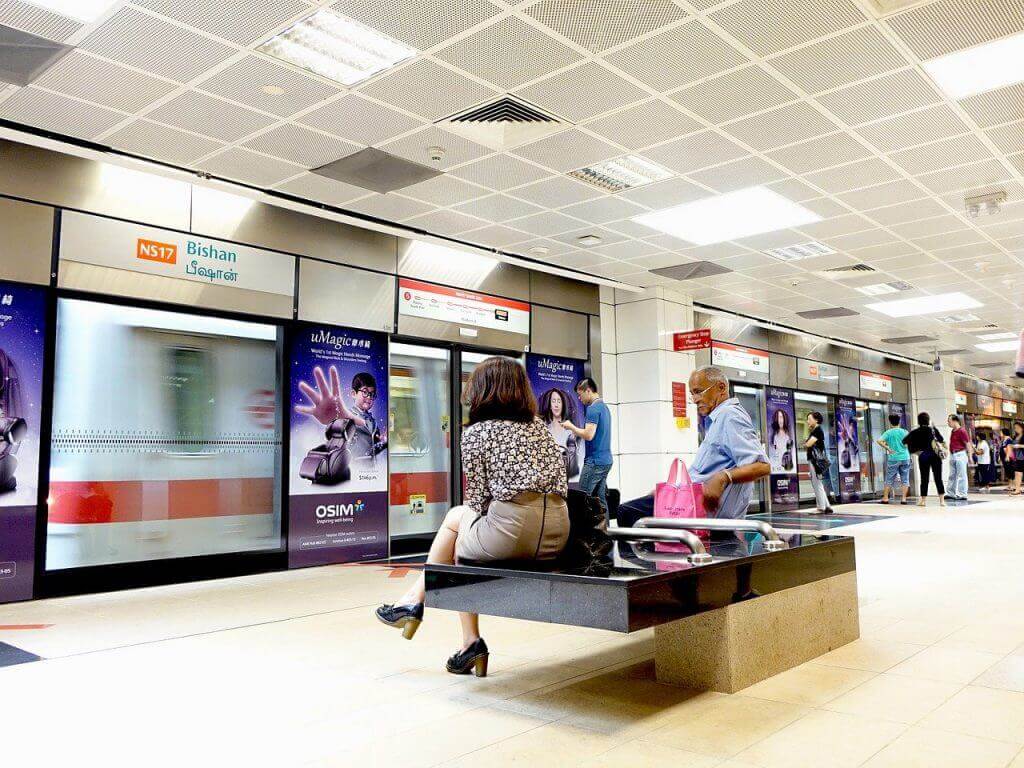
One of the main things you should consider is the distance and time it would take for you to travel to your workplace and to essential amenities such as the supermarket, clinic, and public transportation hub. Living close to the central business district will ensure a shorter daily commute and easy access to restaurants and entertainment if you are willing to pay more for rent.
If you prefer a quieter living environment and don’t want to pass by the building where you work on the weekends, you can explore the residential neighbourhoods if you don’t mind the slightly less convenient location.
Comfort
Available Now at Figment
If a fully furnished, move-in-ready studio sounds better than chasing short-let listings, here’s what’s currently open:
- Wah Leong House — 11 Sturdee Road, Jalan Besar, 10-min walk to Farrer Park MRT, from S$2,300/month
- Ambon House — 162 Emerald Hill Road, Orchard, walk to Somerset MRT, from S$2,500/month
- House Rong — 436 Joo Chiat Road, Joo Chiat, near Eunos MRT, from S$2,250/month
Browse all available studios, or message the team on WhatsApp to check move-in dates.
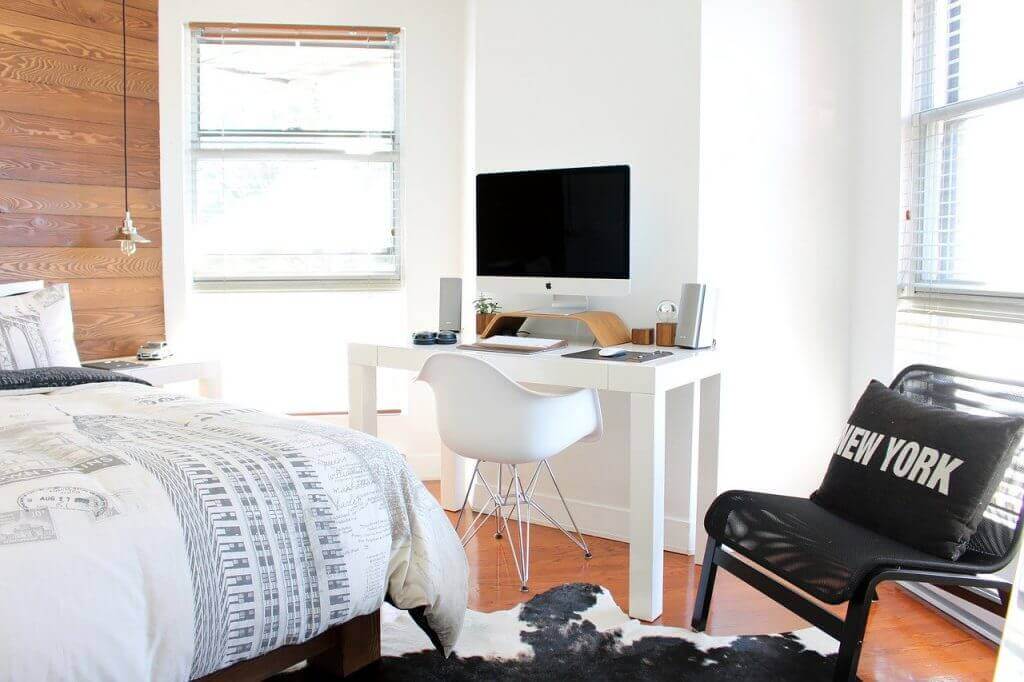
Besides convenience, comfort would be another major factor affecting your choice of home. Do you consider yourself a more private and introverted person? If so, then sharing a home with many other housemates may not be your cup of tea. Is having a gym and pool important to you? Then condominium apartments that come with these amenities would be a more obvious choice. How about furnishing – are you OK with an unfurnished home, or do you want it fully furnished? A bare-bones house may seem cheaper, but may end up costing more to furnish yourself, not to mention take up time too. If that seems like too much hassle, check out Figment’s homes which come fully furnished and move-in ready – there’s even one with a heated pool!
Experience
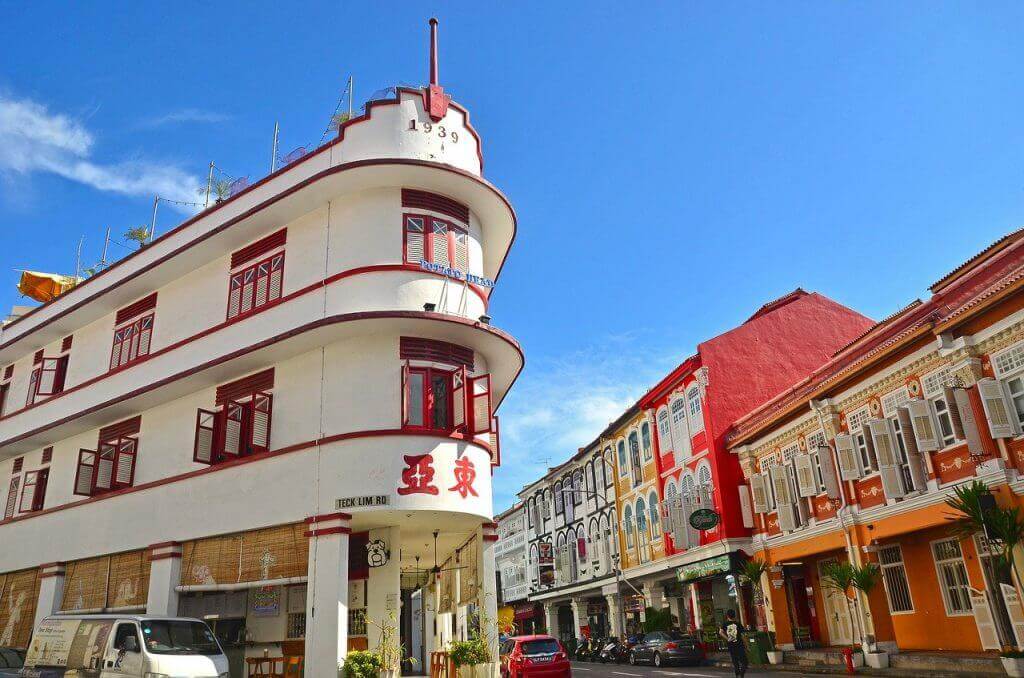
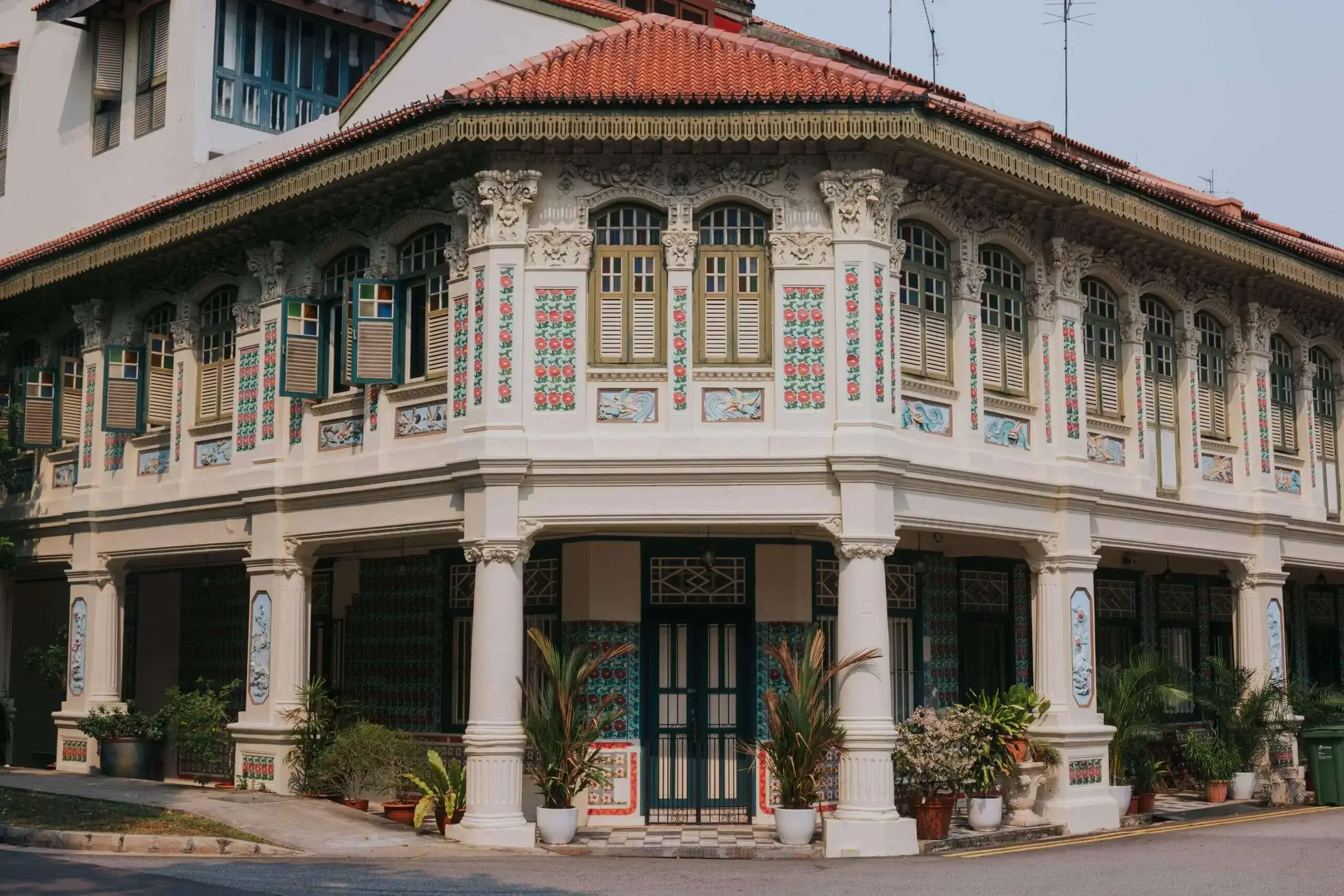
Now is probably a good time to ask yourself how much of an appetite you’ve got for getting to know what this island city has got to offer. There are noticeable expat enclaves in the upper-class neighbourhoods of Bukit Timah and Orchard that are favoured for their proximity to luxury retail and good schools. However, they offer just a narrow sliver that hardly captures the full flavour of the city. Heritage neighbourhoods such as Jalan Besar and Joo Chiat will allow you to more authentically experience living like a local, where you may witness the intersection of cultures and the city’s old and the new soul right at your doorstep.
3. Short term accommodation – what’s available
Under three months
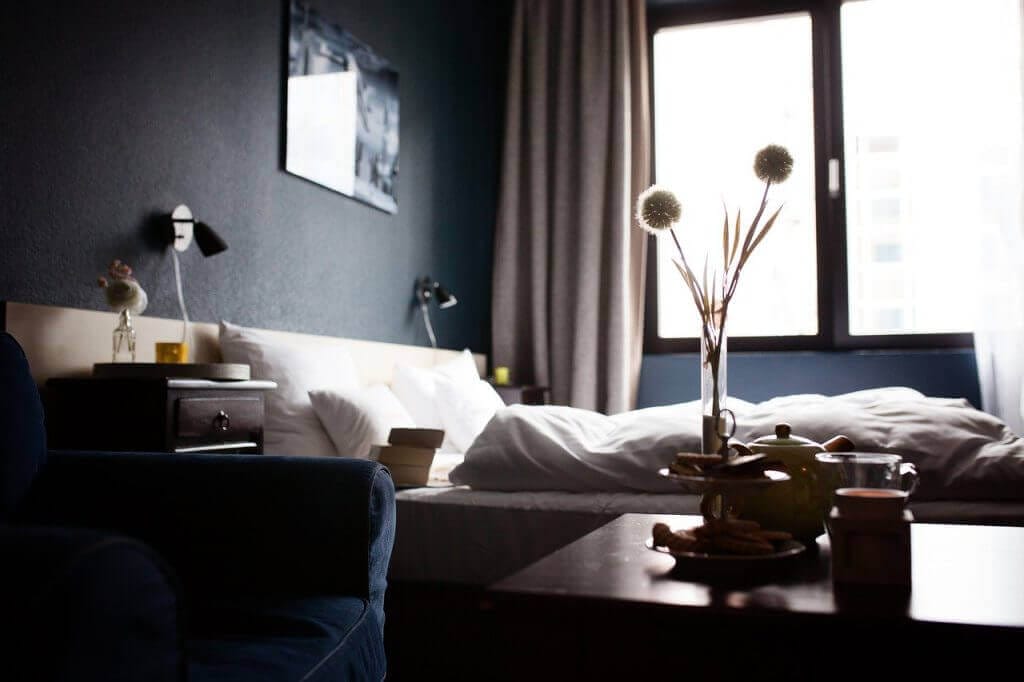
Prices, availability, and minimum stay requirements vary depending on operator, location, and season. The examples below are intended to illustrate typical accommodation types rather than represent guaranteed or live listings.
For less than $150 a night you will be able to find a range of budget-friendly options from hostels to studio apartments listed on Airbnb and Vrbo. If you require a more comfortable set-up, there are also plenty of hotels and a spectrum of premium serviced apartments operated by Oakwood Asia, Frasers Hospitality and Far East Hospitality. Prices start from $200 per night and serviced apartments usually have a minimum stay of at least six nights.
Prospective tenants should always verify current pricing and legality before committing to a short-term stay.
Over three months
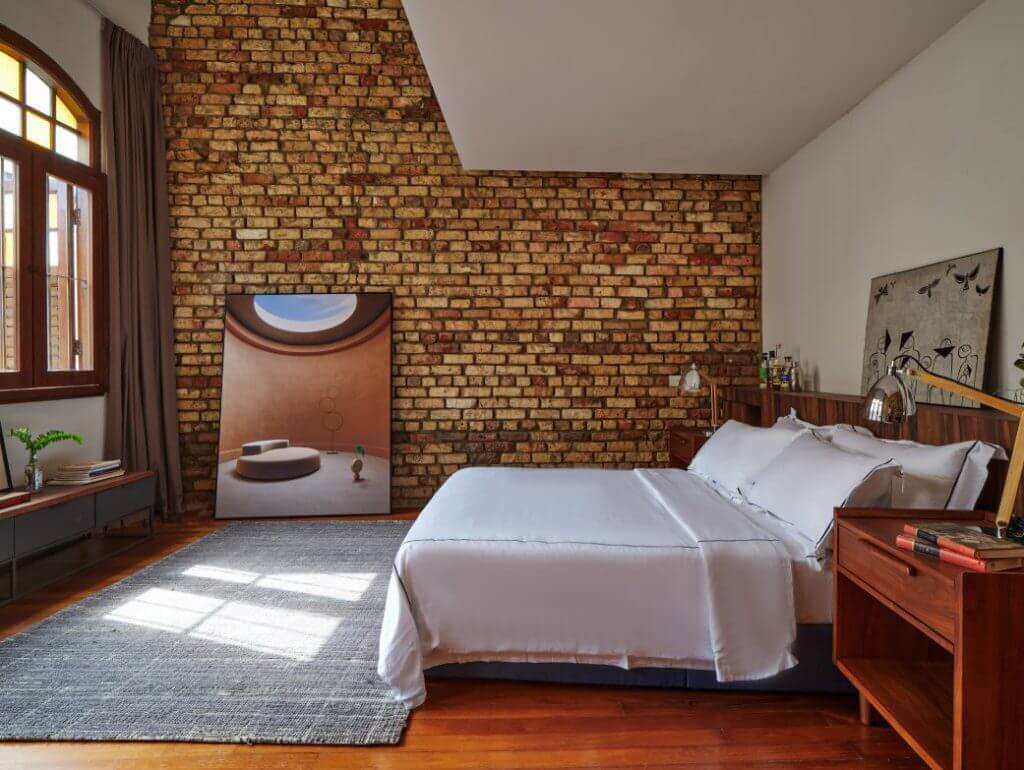
The most pocket-friendly choice would be a shared flat. Search sites for short term room rental in Singapore such as RoomGo and Facebook groups including FindYourRoomInSG, Flats & Flatmates in Singapore, Room Rent/ Roomate in Singapore post new listings daily so you can find the latest availabilities in the market. If you’re looking to rent anything else, these are the sites to visit: 99.co, PropertyGuru, RentinSingapore, Gumtree, Facebook Marketplace and Carousell.
Besides the run of the mill apartment, coliving spaces are also worth considering. They are more bang for your buck since the price for your short term room rental also includes access to the communal spaces that are designed for social activity. At Figment, there is even the added flexibility of moving to another of its 15 houses if you extend your stay, an attractive feature since each shophouse is one of a kind.
4. Tips for success
Reviews and average cost of rent
Be sure to read reviews left by past tenants if available and be partial to Superhosts on Airbnb – they have been rated consistently high by reviewers for a reason! Do your research on the average monthly rents of the condo or postal district you’re eyeing at the Urban Redevelopment Authority’s e-Service, which shows you completed rental contracts of private residential properties.
Negotiating a reasonable Tenancy Agreement

Important clauses to take note of include the minor repair clause, access to premises clause and option to renew clause.
Minor repair clause:
Regular usage results in wear and tear, which will inevitably occur in any property you live in. This clause specifies how much the landlord or tenant have agreed they are liable to pay with regards to any damages caused by wear and tear.
Access to premises clause:
Occasionally the landlord will need to access the property to conduct repair work or to allow viewings for potential tenants. This clause will state the acceptable reasons for which the landlord is allowed access on the property and should also include the notice period the landlord needs to give before showing up at the property.
Option to renew clause:
If you decide to extend your stay beyond the lease period in your contract, this clause will allow you to do so. Let your landlord know you intend to extend or renew your lease and they will prepare the contract for extension.
If this is your first time renting property in Singapore, approach the experience with an open mind and expect minor hiccups along the way. Even if the first place you rent fails to meet expectations, don’t despair. A short term lease means you will get to try someplace else soon. But if you do find a gem of a place, make sure to lock it down with a longer lease and by doing so you can negotiate a better price. Good luck!
A Longer-Stay Alternative Worth Comparing
Before booking a short-term rental, it’s worth pricing it against a fully managed studio in a conserved shophouse — no six-month minimum tenancy, no re-negotiating a new lease every few months, and no furnishing to buy. Figment’s houses come cleaned, furnished, and Wi-Fi-ready from day one:
- Wah Leong House — Jalan Besar, from S$2,300/month
- Ambon House — Orchard, from S$2,500/month
- House Rong — Joo Chiat, from S$2,250/month
See current availability across all Figment houses.
What is considered short-term accommodation in Singapore?
Short-term accommodation generally refers to stays lasting less than three months. In Singapore, residential properties are subject to minimum rental periods, which restrict short-term stays in private homes.
Is Airbnb legal in Singapore?
While Airbnb operates as a platform, short-term stays of less than three months in private residential properties do not comply with current regulations in Singapore. Guests should verify that their accommodation meets local requirements.
What is the minimum rental period in Singapore?
Private residential properties such as condominiums and landed houses have a minimum rental period of three months, while public housing (HDB flats) has a minimum rental period of six months.
Who is eligible to rent property in Singapore?
Singapore citizens and permanent residents may rent property freely. Non-citizens may rent if they hold a valid pass such as an employment pass, S-pass, student pass, dependent pass, or long-term visit pass.
What are legal alternatives to short-term rentals in Singapore?
Legal alternatives include hotels, hostels, serviced apartments, and licensed accommodation providers offering compliant short-term stays.
For detailed listings of short term stays with Figment, browse our short-term rental listings in Singapore.
Similar Posts
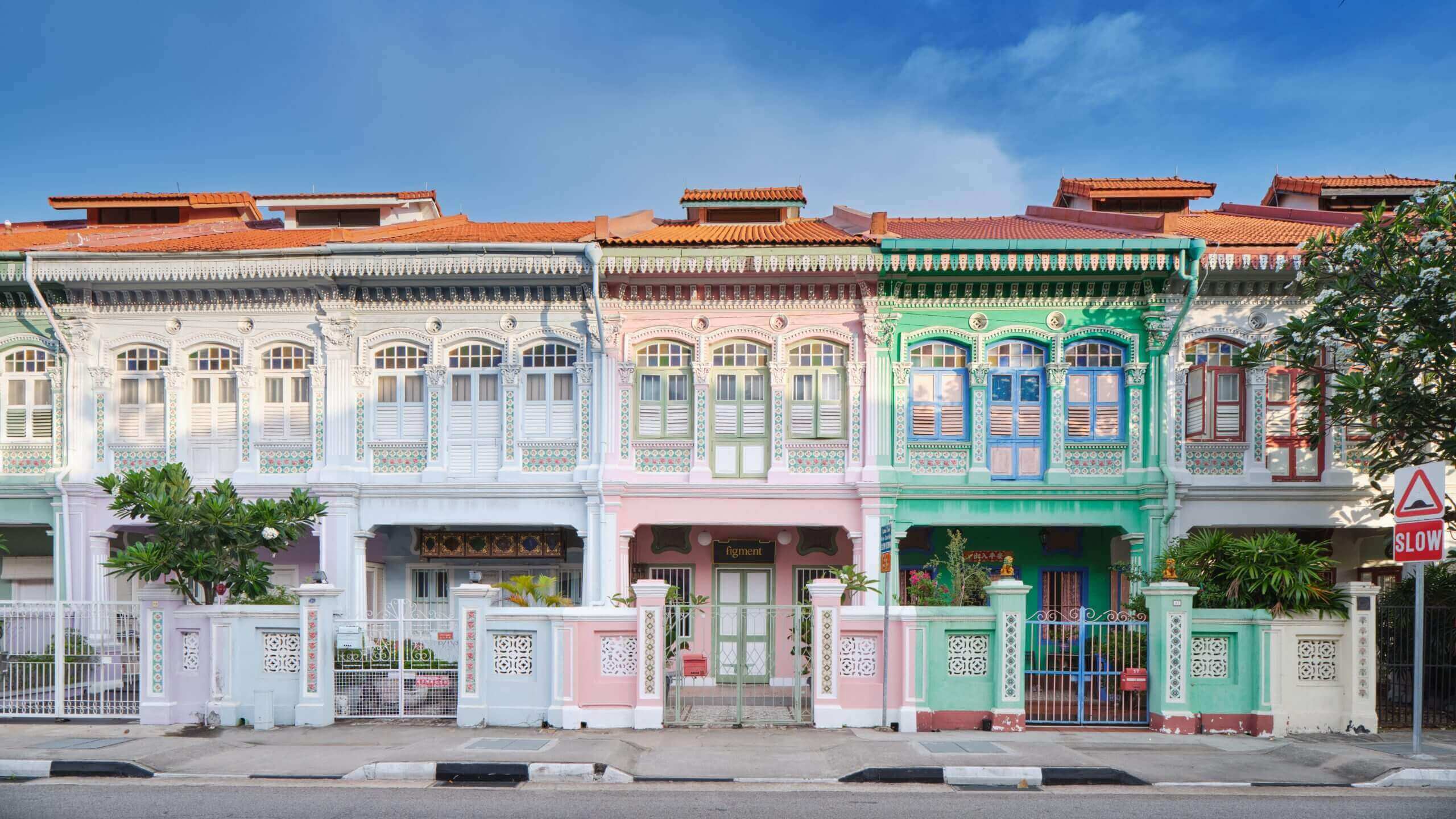
Why are shophouses the most underrated properties in Singapore
Thinking of chucking that cookie-cutter condo? Interested in the shophouse living experience? Here’s 5 reasons why renters are choosing shophouses over condos.
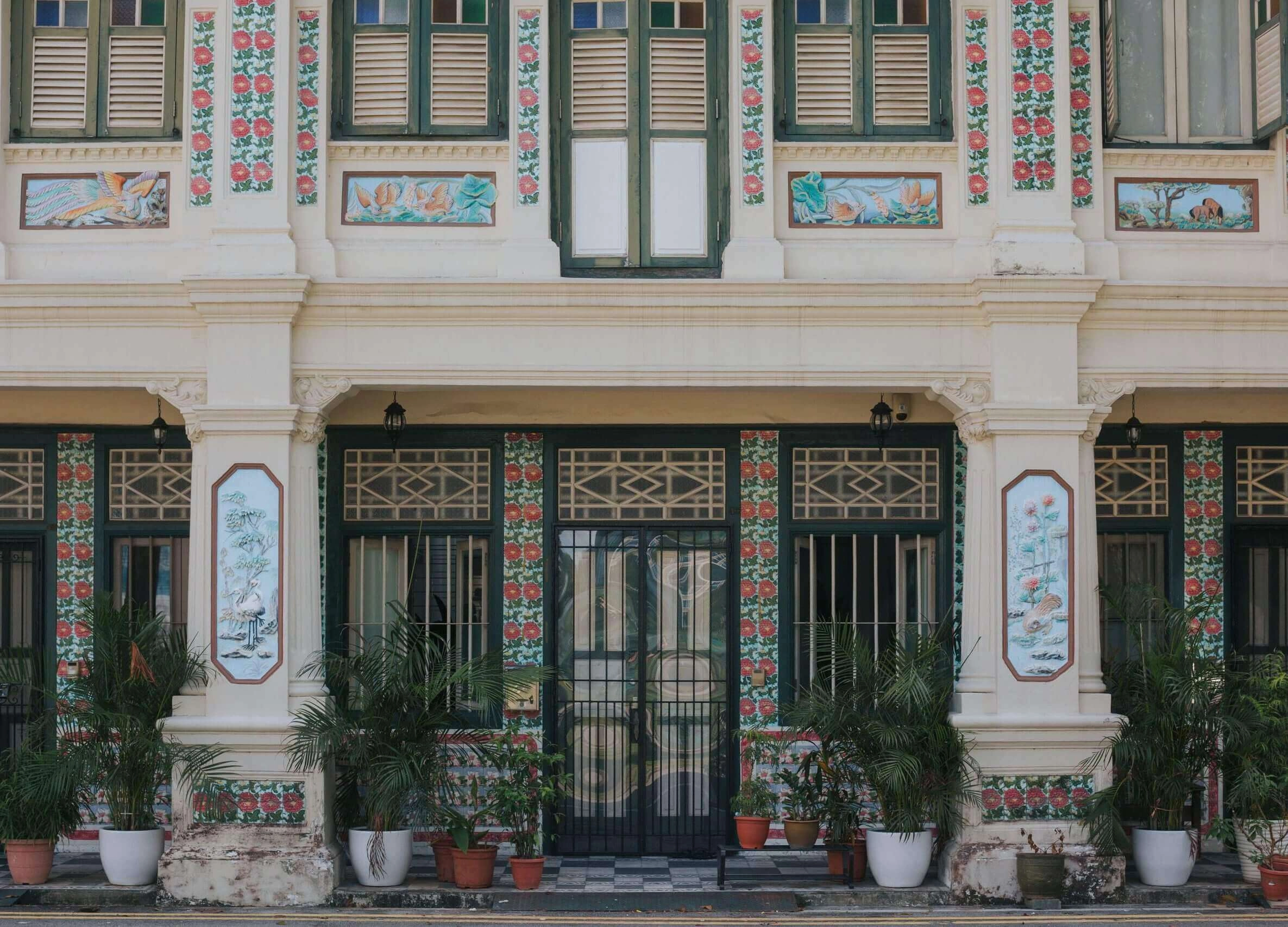
A Letter From The Founder
I grew up in a shophouse — I think that’s where it began.

A Local’s Guide to
Co-living in Singapore – 2026
Curious about co-living but not sure where to begin? Imagine stepping out of your bedroom into a community of like-minded people, ensconced in beautiful surroundings.