


Walk-Up Apartments in Singapore: What They Are and What to Expect
Walk-up apartments are one of Singapore’s most characterful rental options, yet they are easy to overlook on the major portals. These are low-rise buildings, usually three to five storeys, with no lift, so you literally walk up to your unit. Many sit in the city’s older, most atmospheric districts. This guide explains what a walk-up apartment is, how it compares to a condo rental, what to weigh up before you sign, and who this kind of home suits best.
What is a walk-up apartment?
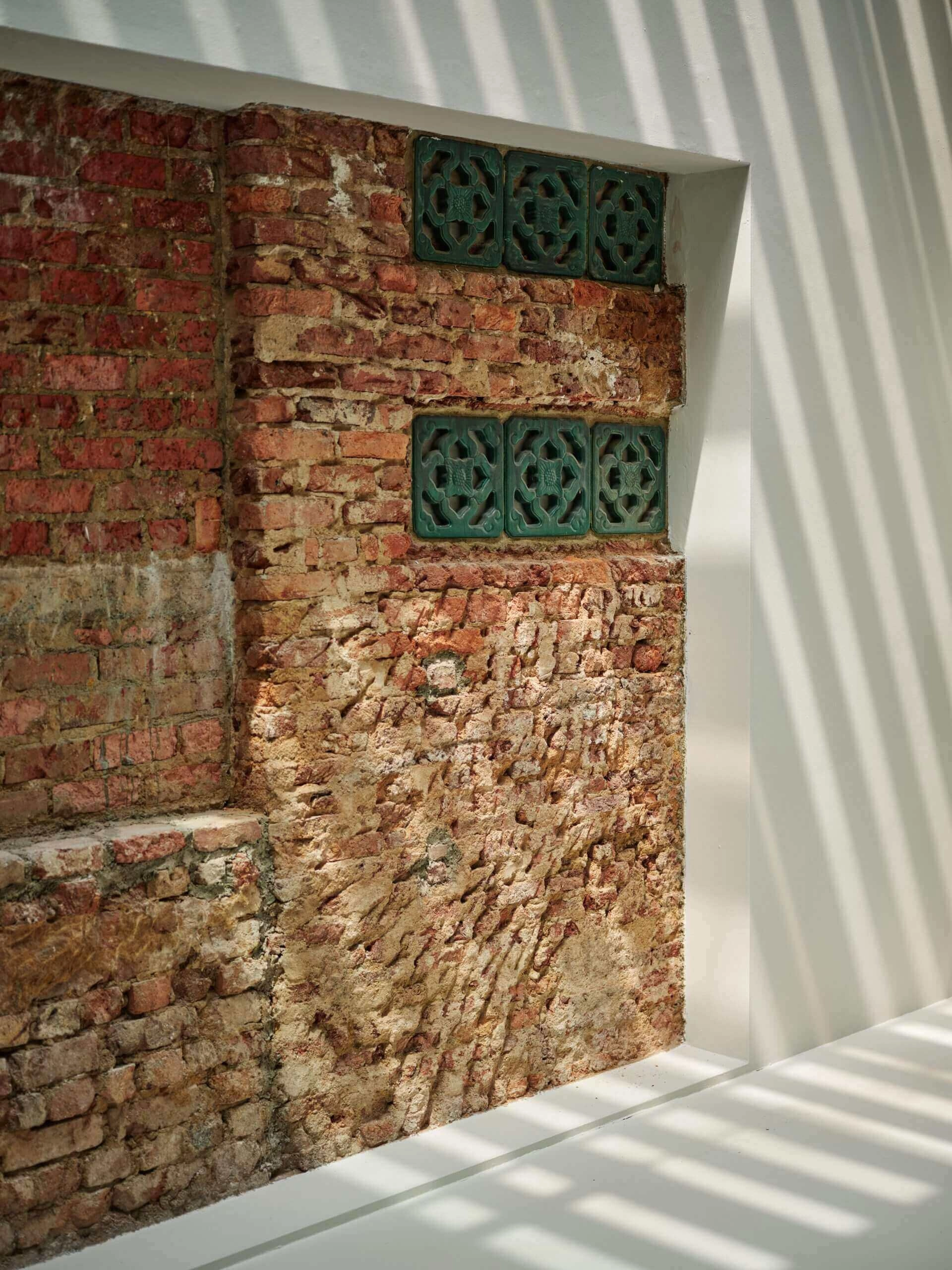
A walk-up is a small residential block without a lift, typically built before the 1980s. Many are private apartments in mature neighbourhoods such as Tiong Bahru, Joo Chiat, Geylang, Balestier and Tanjong Pagar. Compared with a modern condominium, walk-ups tend to offer larger, simpler layouts, higher ceilings and lower-density living, often within walking distance of food, transport and community life. Conserved shophouses are a related, heritage-rich form of walk-up living. If you are scanning listings, it helps to browse dedicated walk-up apartment options rather than filtering by condo alone.
Walk-up apartment vs condominium
| Feature | Walk-up apartment | Condominium |
|---|---|---|
| Lift | None | Yes |
| Facilities | Minimal (no pool or gym) | Pool, gym, security |
| Character | Heritage, individual | Standardised, modern |
| Space | Often larger for the price | Varies; newer units smaller |
| Location | Mature, central districts | Island-wide |
In short, a walk-up trades lifts and facilities for space, character and a central address. That suits renters who value neighbourhood life and a distinctive home over resort-style amenities.
What to check before you sign
- Which floor the unit is on — a third or fourth-floor walk-up is a daily climb, and a real factor for heavy groceries or strollers.
- The building’s age and maintenance: check for leaks, wiring, water pressure and the condition of common stairwells.
- Whether the unit is furnished, and who maintains air-conditioning and appliances.
- Parking and bicycle storage, which are rarely as generous as in a condo.
- Noise and ventilation: older windows and shared stairwells carry sound, so try to view at different times of day.
Lease basics and minimum stay
Walk-ups are private residential properties, so the Urban Redevelopment Authority (URA) minimum stay of three consecutive months applies; daily or weekly letting is not permitted. Standard leases run one to two years. If you prefer the character of an older, central building but want the simplicity of a managed home, a restored heritage apartment or boutique co-living residence can offer a similar feel with less upkeep.
Frequently asked questions
Are walk-up apartments cheaper than condos?
Often, but not always. The absence of facilities and a lift can lower rent, yet walk-ups in sought-after heritage enclaves can command a premium for their location and character. Compare on a per-square-foot basis for a fair view.
Do walk-ups have security or management?
Most do not have a guardhouse or a managing agent in the way a condo does. Security is usually limited to the unit’s own door and gate, so factor that into your decision if it matters to you.
Are walk-ups a good option for short or flexible stays?
They suit settled, longer leases more than flexible stays. For shorter or more flexible arrangements within the rules, a managed co-living home or serviced residence is usually easier to set up.
Similar Posts

Coliving Near Every MRT Station in Singapore | Figment
Figment runs boutique coliving houses in eight conserved-shophouse neighbourhoods across Singapore, and every one is a walk from at least one MRT station. Rather than a separate page for every nearby station, here is the full picture in one place: which neighbourhood, which station, which house, and what living there is actually like. Tanjong Pagar […]
Is Airbnb Legal in Singapore? The Rules, Penalties and Legal Alternatives
Airbnb-style short stays under three months are not allowed in Singapore homes. Here are the rules, the penalties for hosts, and the legal ways to book a short stay.
Co-Living in Singapore for Couples: What to Know Before You Move In
Can couples do co-living in Singapore? How shared homes work for two, what to check on room types and house rules, and how it compares to renting a flat.

Comments