


Master Room vs Common Room for Rent in Singapore: What’s the Difference?
If you are searching for a room to rent in Singapore, you will quickly run into two terms: the master room (sometimes called a master bedroom) and the common room. They are the two most rented room types in shared HDB flats, condominiums and shophouses, and the difference between them affects your privacy, your budget and your daily routine. Here is what each one means and how to choose.
Master room vs common room: the quick answer
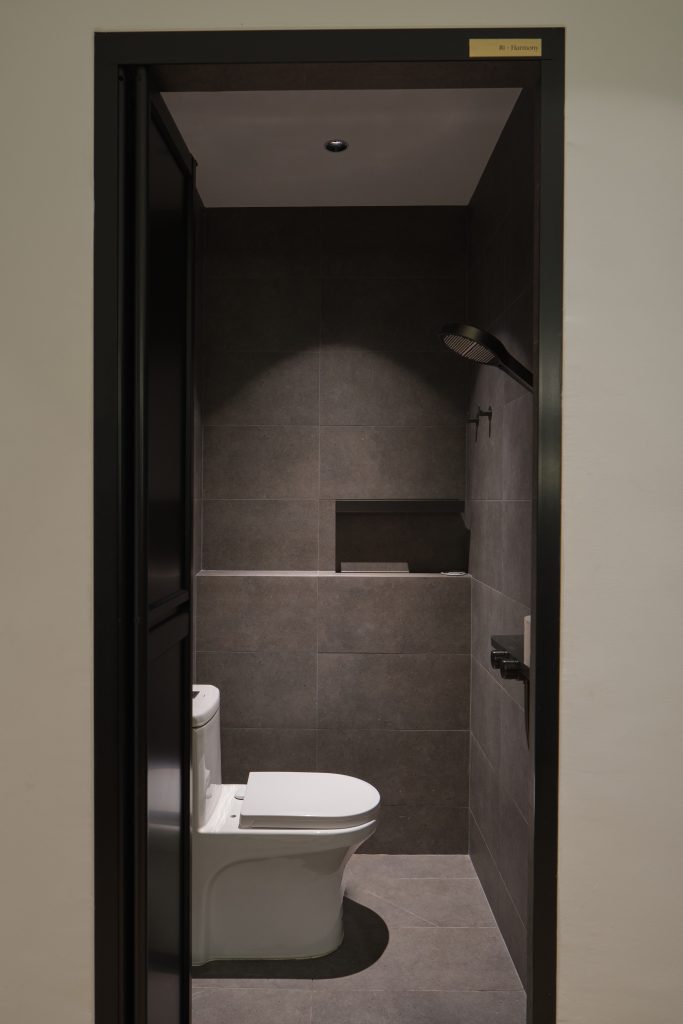
A master room is the largest bedroom in a unit and almost always comes with its own attached (ensuite) bathroom. A common room is any other bedroom; it is smaller and shares a bathroom with the rest of the household. Because of the private bathroom and extra space, a master room commands a higher rent.
| Feature | Master room | Common room |
|---|---|---|
| Bathroom | Usually private (ensuite) | Shared with flatmates |
| Size | Largest in the unit | Smaller |
| Privacy | Higher | Lower |
| Relative rent | Higher | Lower |
| Best for | Couples or anyone wanting space | Solo renters on a budget |
What a master room includes
The main draw is the ensuite bathroom: you never queue for the shower and you control the cleanliness of your own space. Master rooms also tend to fit a queen bed, a wardrobe and a small work area comfortably, which matters if you work from home. The trade-off is cost, so weigh the privacy against your budget. If you want that level of privacy without managing a whole tenancy yourself, a furnished room in boutique co-living can be a simpler alternative.
What a common room includes
A common room is the budget-friendly choice. You share a bathroom with one or more flatmates, the room is smaller, and you are more reliant on house etiquette around shared spaces. For students, early-career professionals and anyone prioritising location over square footage, a common room in a well-located unit is often the smartest way to live centrally for less.
Rules that apply to both
Whatever room you rent, the same Singapore rules apply to the unit. For private residential properties (condos, apartments, landed homes and most shophouses used as homes), the legal minimum tenancy is three consecutive months, set by the Urban Redevelopment Authority (URA). For HDB flats, room rentals must run for at least six months. There is also an occupancy cap: by default a maximum of six unrelated persons per unit, temporarily raised to eight for larger homes of at least 90 sqm that are registered with URA, an arrangement extended to 31 Dec 2028. If you need something shorter than three months, look at properly licensed options such as short-term rentals or a one-month serviced stay rather than an informal room let.
Which should you choose?
- Choose a master room if you want a private bathroom, more space, or you are a couple sharing.
- Choose a common room if budget and location matter more than size.
- Either way, confirm the minimum stay, what bills are included, and how many people share the unit.
- If you want one inclusive monthly price and no furniture to buy, compare an all-inclusive co-living room.
A simpler middle ground: co-living
Co-living sits between renting a room and renting a whole unit. You get a private, furnished bedroom plus designed shared spaces, with utilities, Wi-Fi and cleaning bundled into one monthly fee. It removes the haggling over a master-versus-common split and the upfront cost of furnishing. Figment runs boutique co-living houses in conserved Singapore shophouses, and its all-inclusive monthly format suits working professionals who want a move-in-ready home in a central neighbourhood.
Frequently asked questions
Is a master room worth the higher rent?
If a private bathroom and extra space genuinely improve your daily life, or you are sharing as a couple, the premium is usually worth it. Solo renters who are out most of the day often find a common room is the better value.
Can two people share a common room?
Sometimes, but it depends on the landlord’s agreement and the unit’s occupancy cap of six unrelated persons (eight for registered homes of at least 90 sqm). Always get shared occupancy approved in writing.
What is the minimum rental period for a room in Singapore?
In private residential properties the minimum is three months; in HDB flats it is six months. If you need less than three months, only licensed serviced-apartment stays qualify; for a three-month commitment, a short-term rental is the standard route.
Similar Posts
Coliving Near Every MRT Station in Singapore | Figment
Figment runs boutique coliving houses in eight conserved-shophouse neighbourhoods across Singapore, and every one is a walk from at least one MRT station. Rather than a separate page for every nearby station, here is the full picture in one place: which neighbourhood, which station, which house, and what living there is actually like. Tanjong Pagar […]
Is Airbnb Legal in Singapore? The Rules, Penalties and Legal Alternatives
Airbnb-style short stays under three months are not allowed in Singapore homes. Here are the rules, the penalties for hosts, and the legal ways to book a short stay.
Co-Living in Singapore for Couples: What to Know Before You Move In
Can couples do co-living in Singapore? How shared homes work for two, what to check on room types and house rules, and how it compares to renting a flat.

Comments